Ever since I found out about touristanbul, I was eagerly waiting for the opportunity to fly Turkish Airlines and visit Istanbul in transit. My red-eye from London to Istanbul on Saturday night landed early morning, and I had a 15-hour layover before my flight to Mumbai. The Republic of Turkey issues e-Visas for Indian passport holders who have a valid visa for the USA, the UK, or the Schengen countries. I had applied for the e-Visa in advance to avoid any last-minute complications. I headed to immigration, where the officer checked my e-Visa and my visa for the USA, then stamped my passport. My bag was checked through to Mumbai, so I walked past baggage claim and customs and proceeded to the Hotel Desk in the International Arrival Hall. I submitted my boarding pass, and they asked me to wait for the tour call. Since I hadn’t slept well on the flight, I found a bench and took a quick nap.
About half an hour before the tour departure, we were asked to assemble. After calling our names, they returned our boarding passes and gave us each a badge for the day. This badge identified us for waived entrance fees and complimentary meals. We were introduced to our guide and led to the bus for the drive from the airport to the city.


Turkish Airlines and touristanbul provided complimentary breakfast and lunch, covering all entrance fees. Our first stop was Çatladıkapı Sosyal Tesisleri for breakfast, a social facility located right along the scenic Marmara Sea coast.


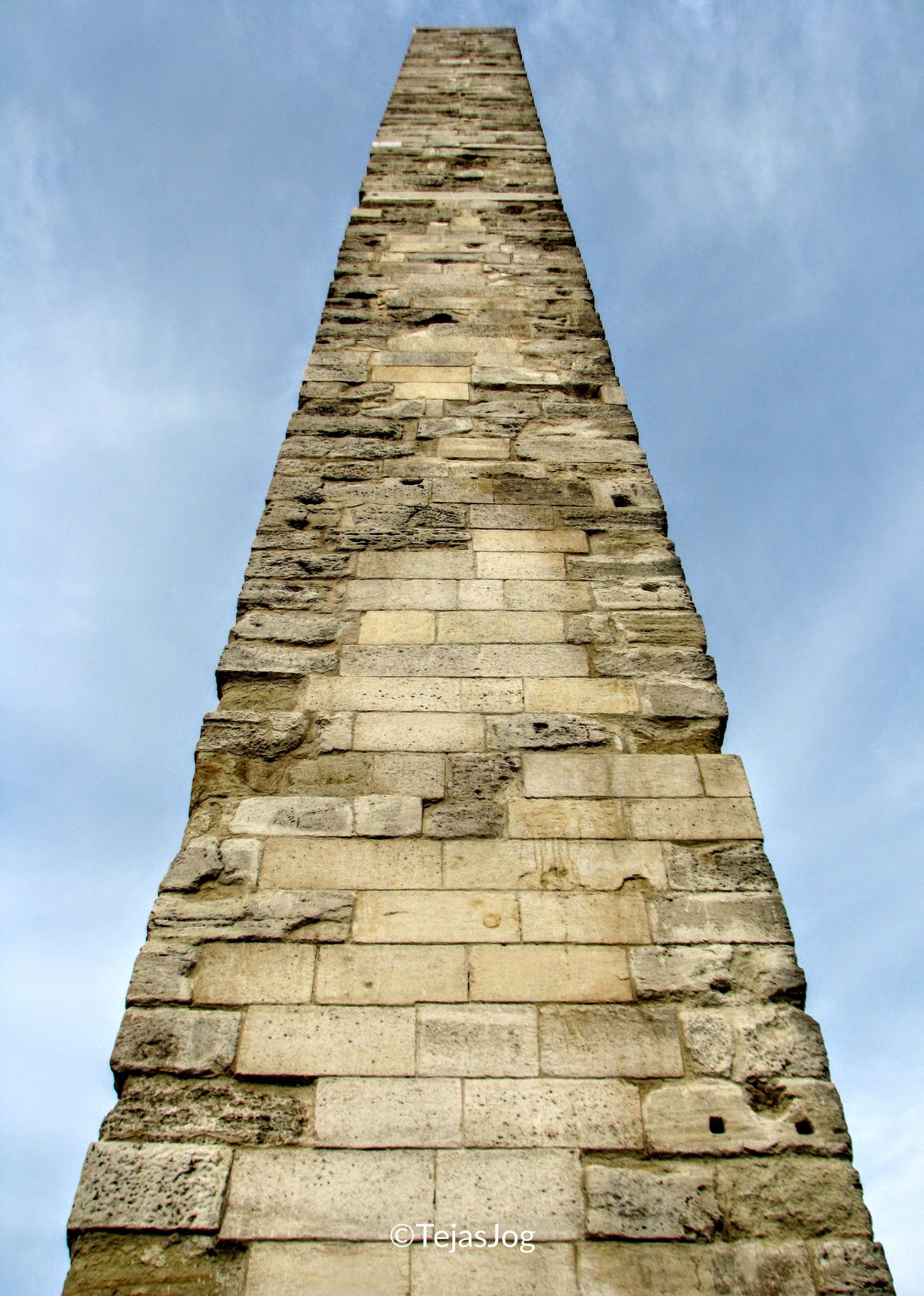
We then walked to Sultan Ahmet Square (the ancient Hippodrome) to see the historic monuments. I was struck by the Walled Obelisk, a 10th-century structure originally covered in gilded bronze plaques, and the Obelisk of Theodosius, an Ancient Egyptian monument brought to the city in the 4th century. We also saw the Serpent Column, a bronze sacrificial tripod originally from Delphi, which commemorates the Greeks who fought the Persians.




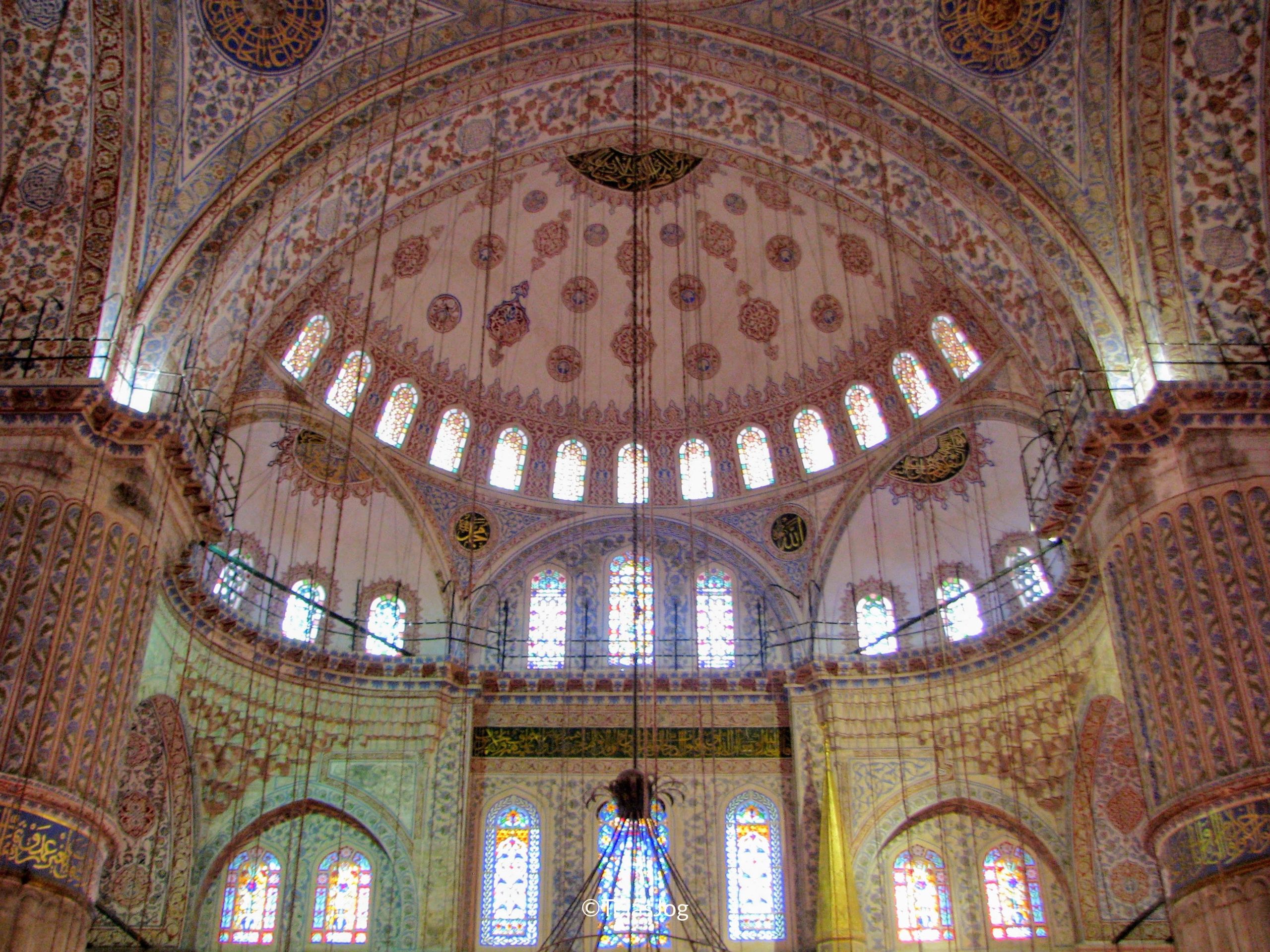
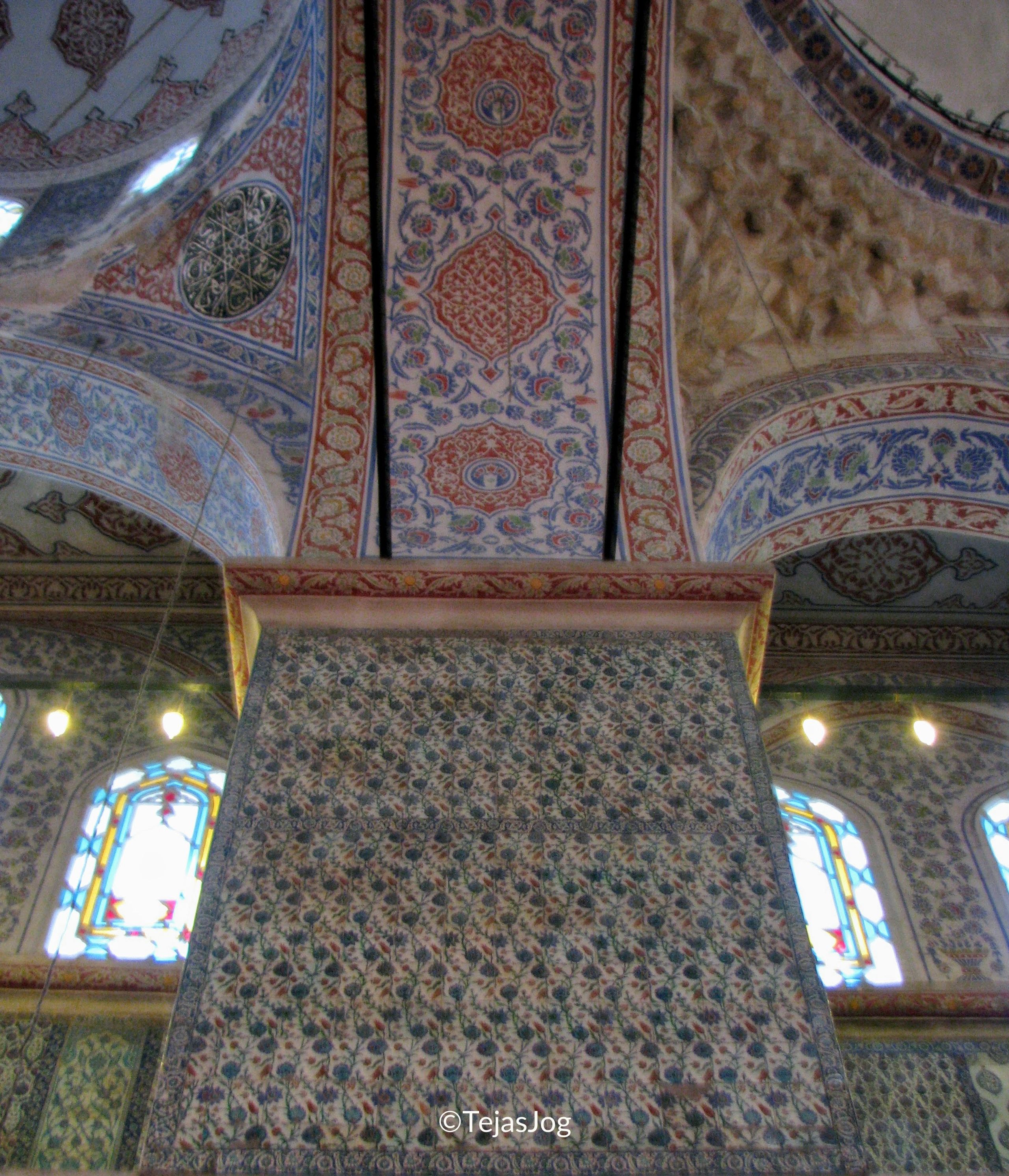
Next, we visited the Sultan Ahmed Mosque, famously known as the Blue Mosque. The name comes from the over 20,000 blue handmade İznik-style ceramic tiles that decorate its interior. Its six minarets and cascading domes make it a masterpiece of Ottoman classical architecture and it continues to function as a mosque even today.





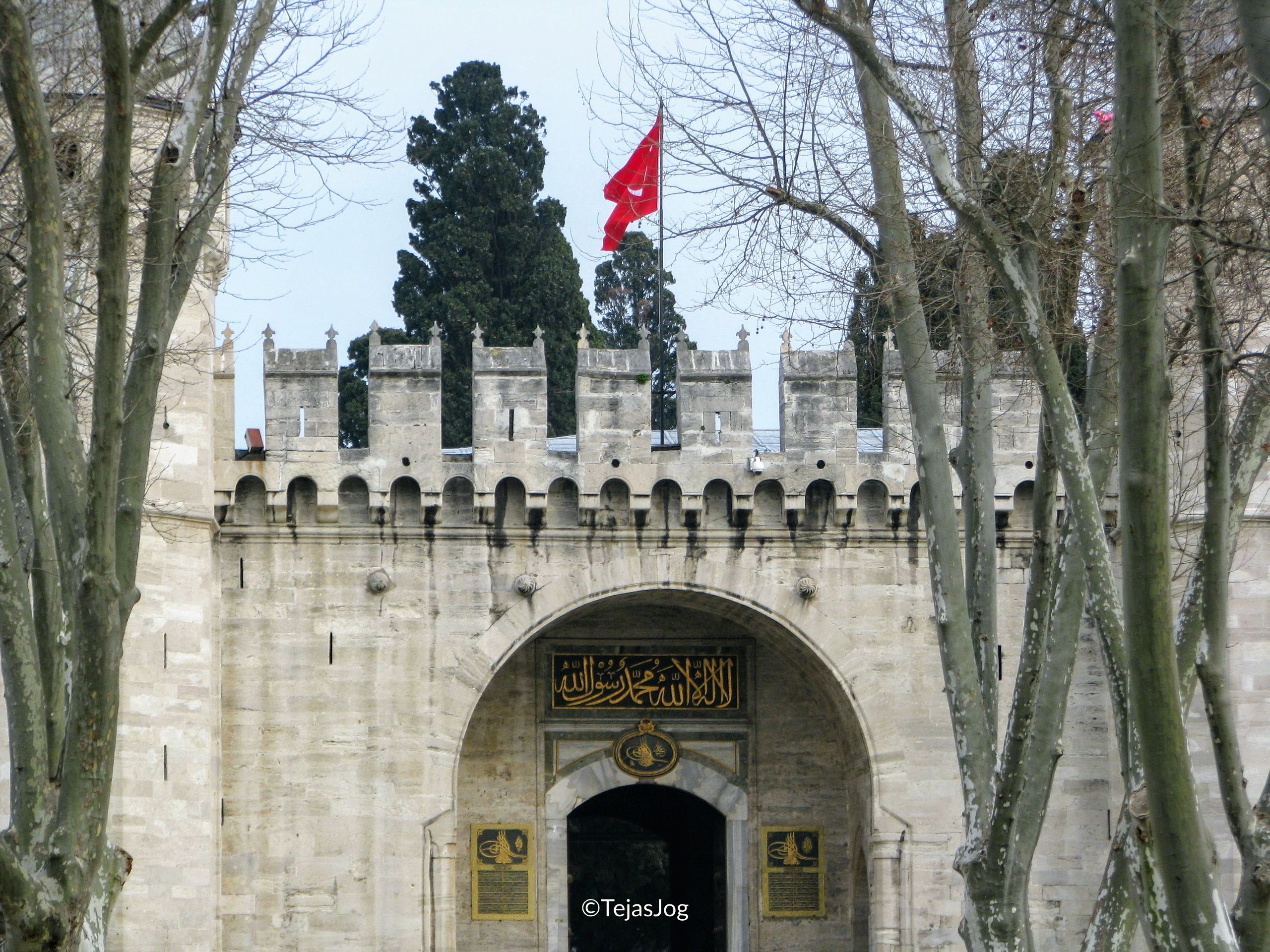
Our next stop was the Topkapi Palace Museum, a UNESCO World Heritage site that served as the main residence of the Ottoman Sultans for nearly 400 years. The complex features lush courtyards, sacred relics, and ornate chambers that offer a glimpse into imperial life.



We took a break for lunch at the Tamara Restaurant, enjoying local Turkish cuisine before spending some time browsing the nearby shops for traditional souvenirs.


In the afternoon, we explored Hagia Sophia, an architectural marvel that has transitioned from a Byzantine basilica to an Ottoman mosque and is now a museum. Its massive central dome and intricate golden mosaics represent a unique synthesis of Christian and Islamic art.


The last stop of the evening was the Basilica Cistern, the largest of the ancient water reservoirs beneath Istanbul. Walking through the forest of marble columns, including the famous Medusa-head bases, felt like stepping into a subterranean palace.


Before heading back to the bus, we passed the German Fountain in Sultan Ahmet Square. This gazebo-style fountain was a gift from the German Emperor Wilhelm II to the Sultan, featuring a beautiful golden-mosaic-lined dome.

We returned our badges and thanked our guide for a wonderful day. After a smooth process through passport control, I made my way to the gate for my flight to Mumbai. This was a fantastic way to spend a long layover, and I would definitely recommend touristanbul to anyone flying Turkish Airlines and transiting the city.
👣 touristanbul
🍽️ Çatladikapi Sosyal Tesisleri
🍽️ Tamara Restaurant and Cafe