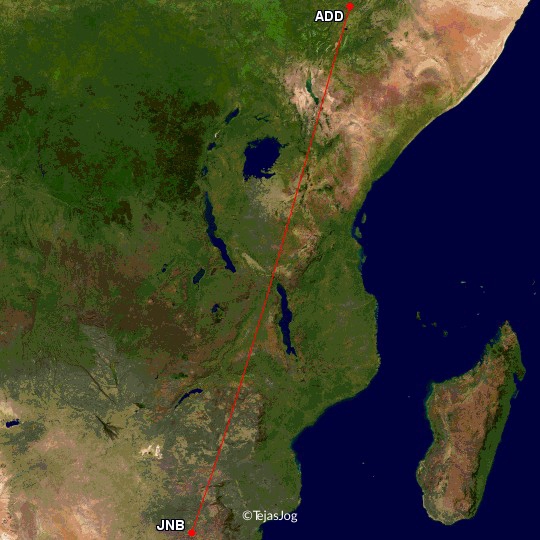
After the wonderful Pilanesberg Safari yesterday, our overnight flight ET 848 from Johannesburg to Addis Ababa landed around 6:00 AM. We had already been given a Passenger Accommodation Voucher at Johannesburg airport, and upon arrival at Bole International Airport, we secured our transit visa cards to enter the city.


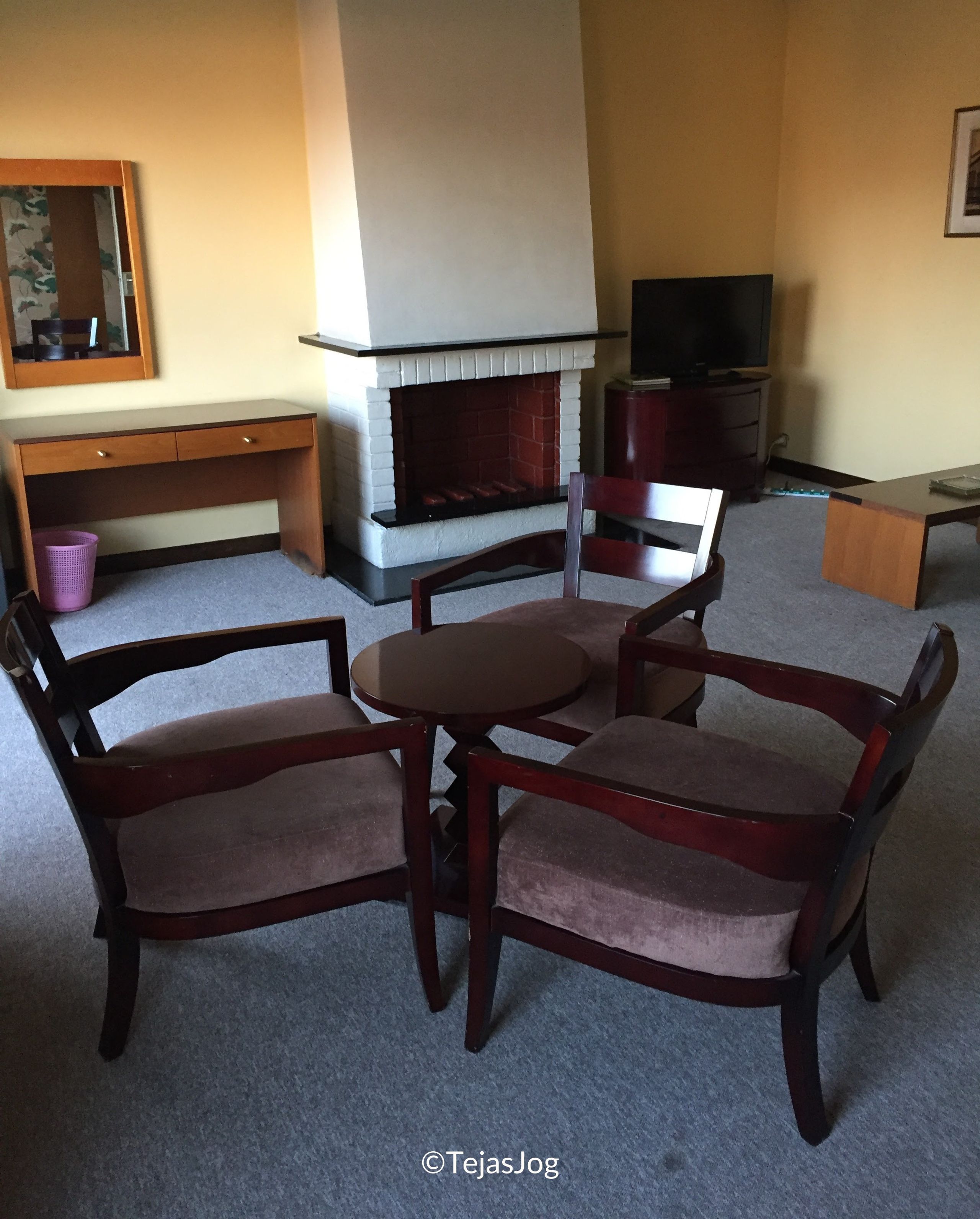
We cleared immigration and were whisked away to the Ethiopia Hotel by shuttle bus. Though we each held an individual voucher, the hotel kindly upgraded us to a massive suite so we could stay together. The room was basic but impressively large, featuring a small balcony that looked out over the waking city.


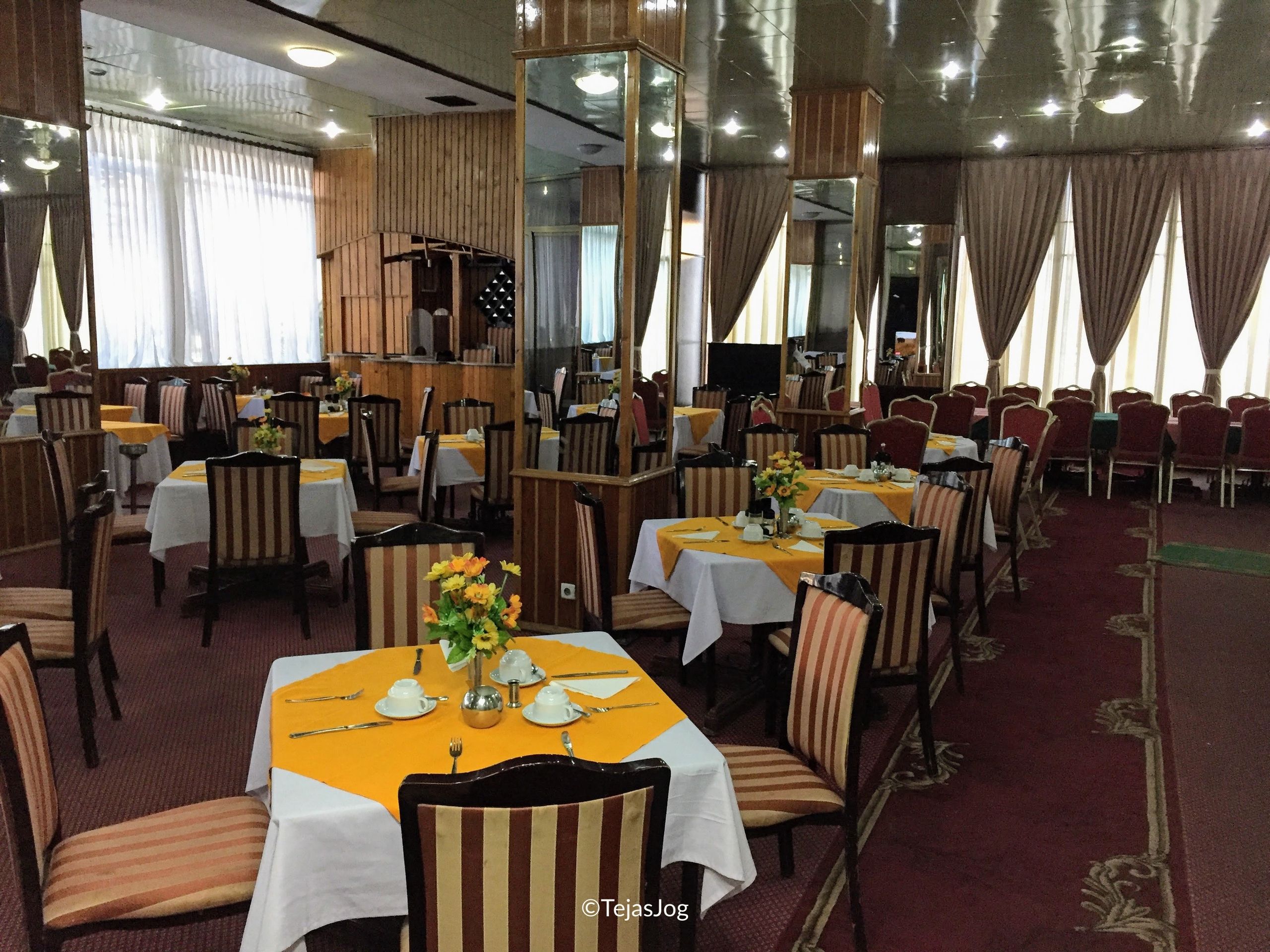
I had contacted Addis Ethiopia Tour about a week prior to arrange a custom transit itinerary. After a quick breakfast at the hotel, our guide and driver arrived to begin our full-day exploration of the capital.

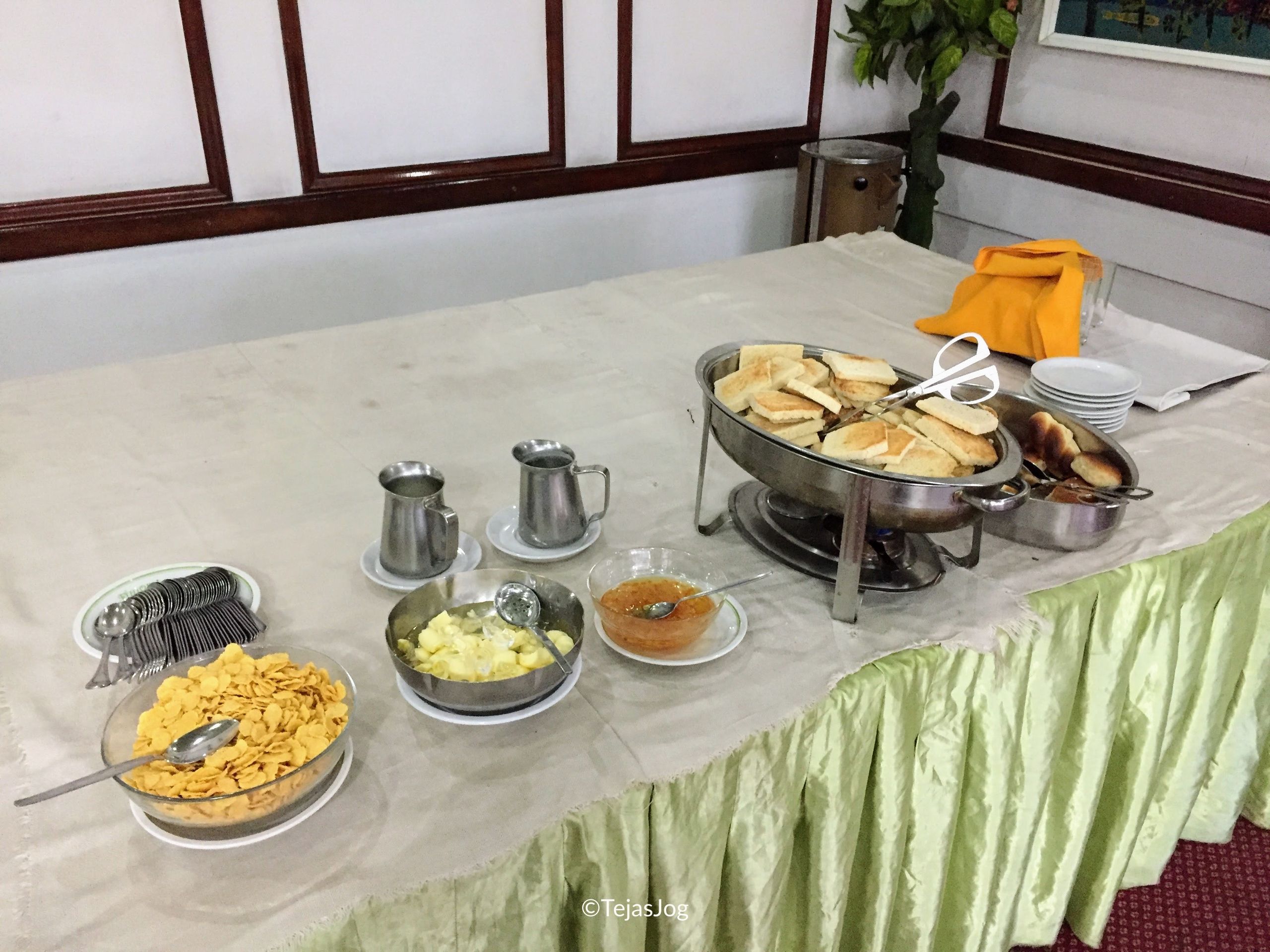
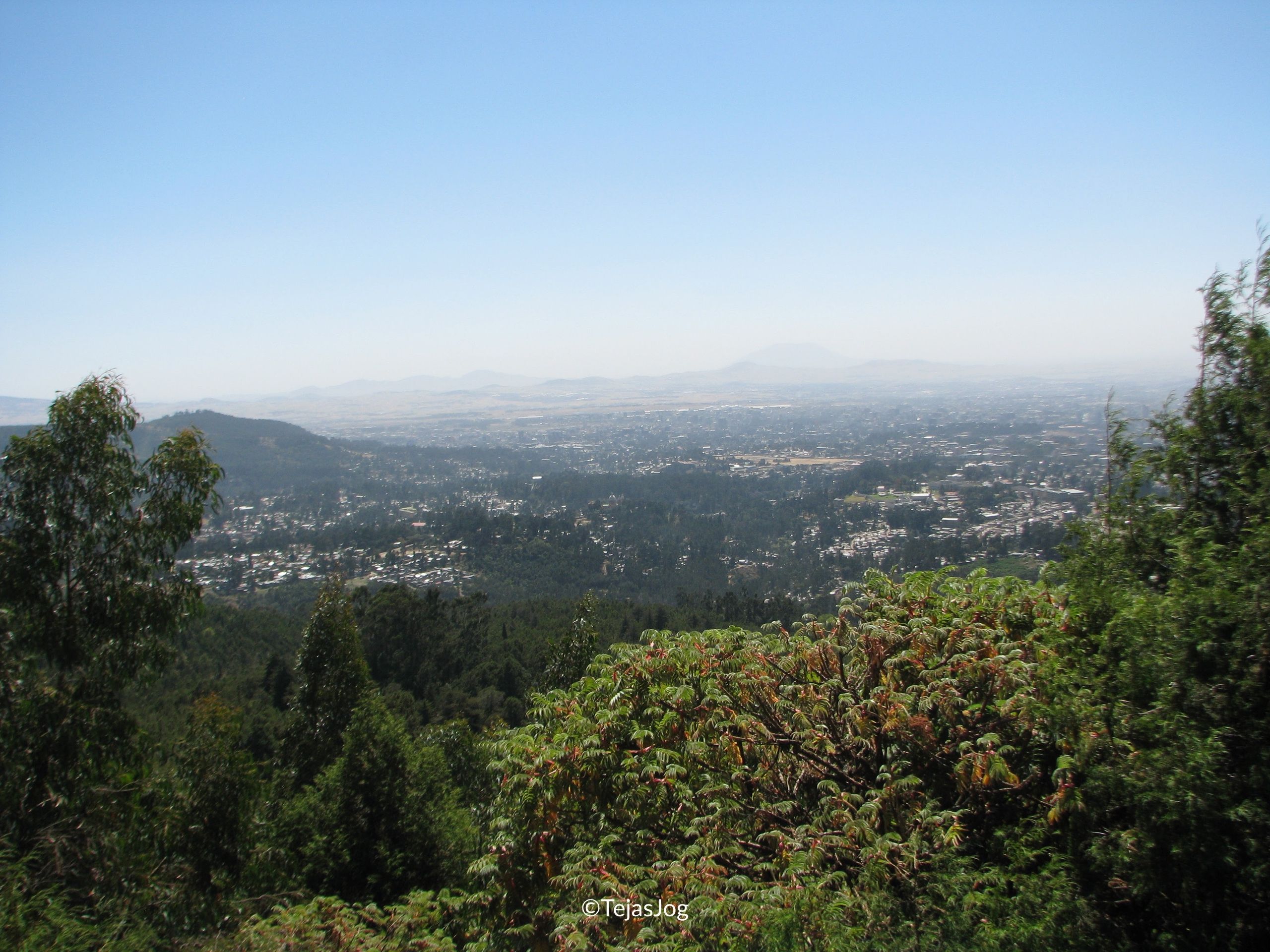
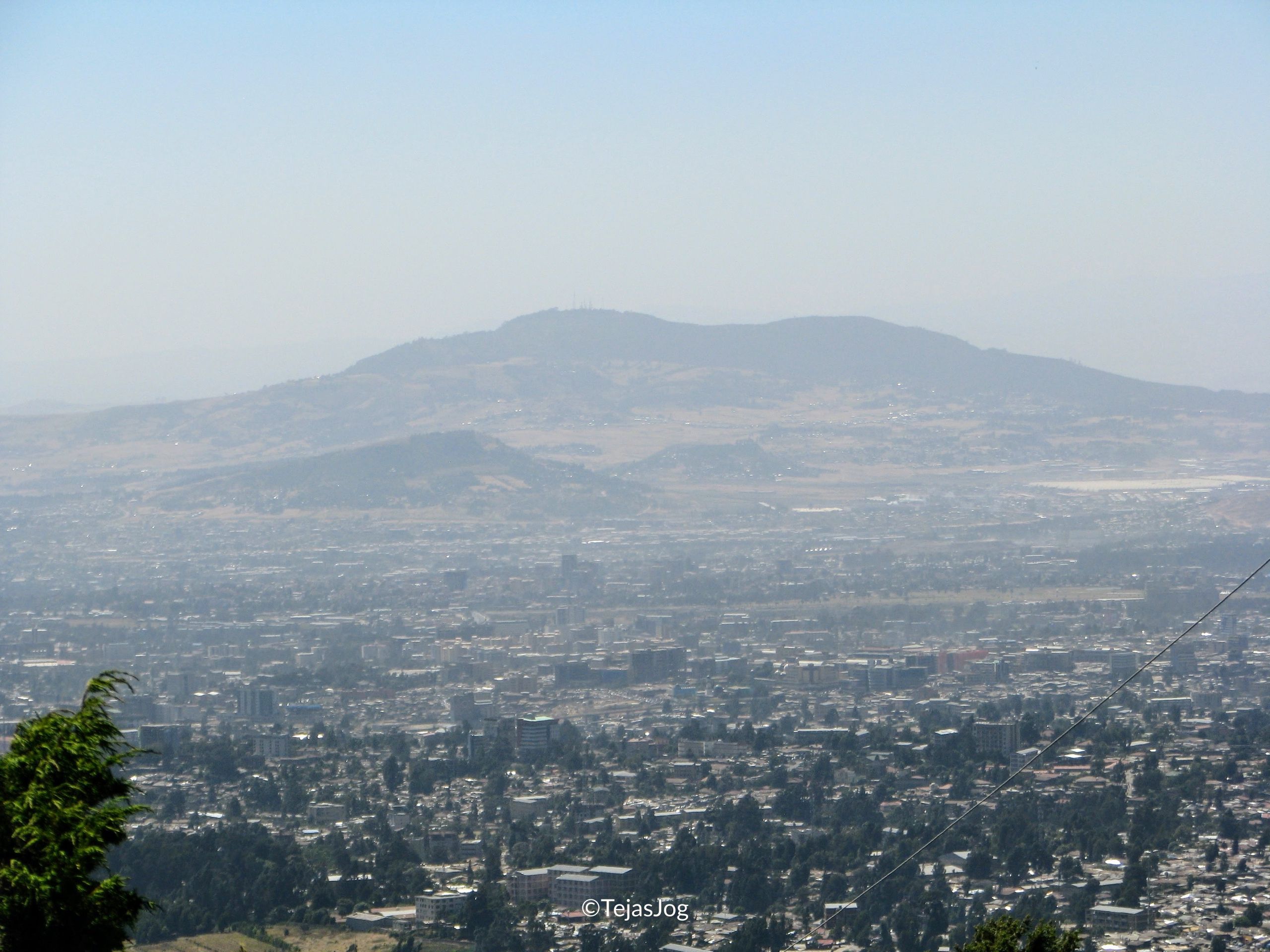
Our first stop was a steep, winding drive up Entoto Hill. As we climbed, the air grew noticeably crisp, and the mountain became densely blanketed by towering eucalyptus trees—an Australian import that has become a staple of the local landscape. From the summit, we were rewarded with a breathtaking panoramic view of the sprawling capital and the green Ethiopian highlands beyond.


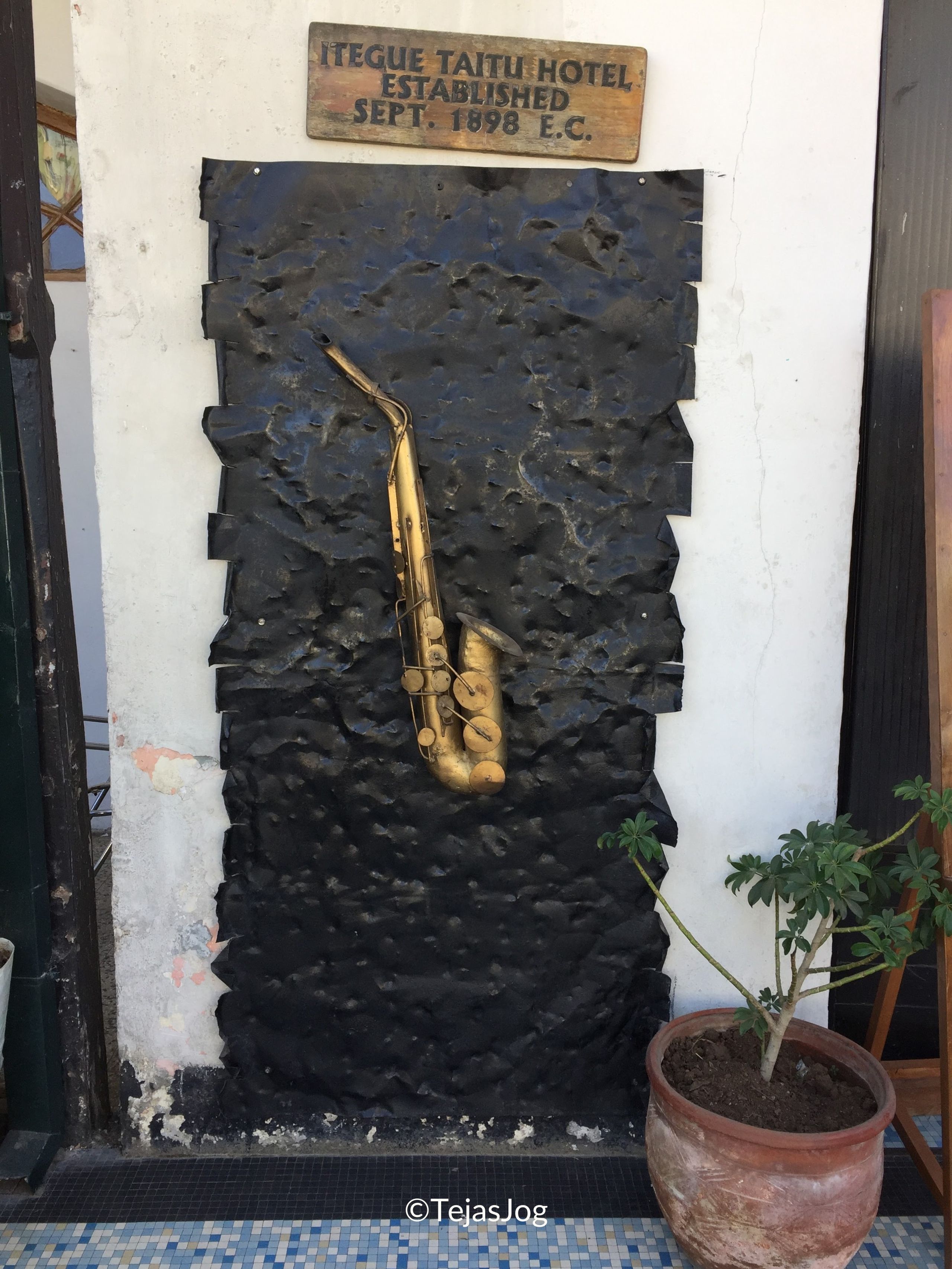
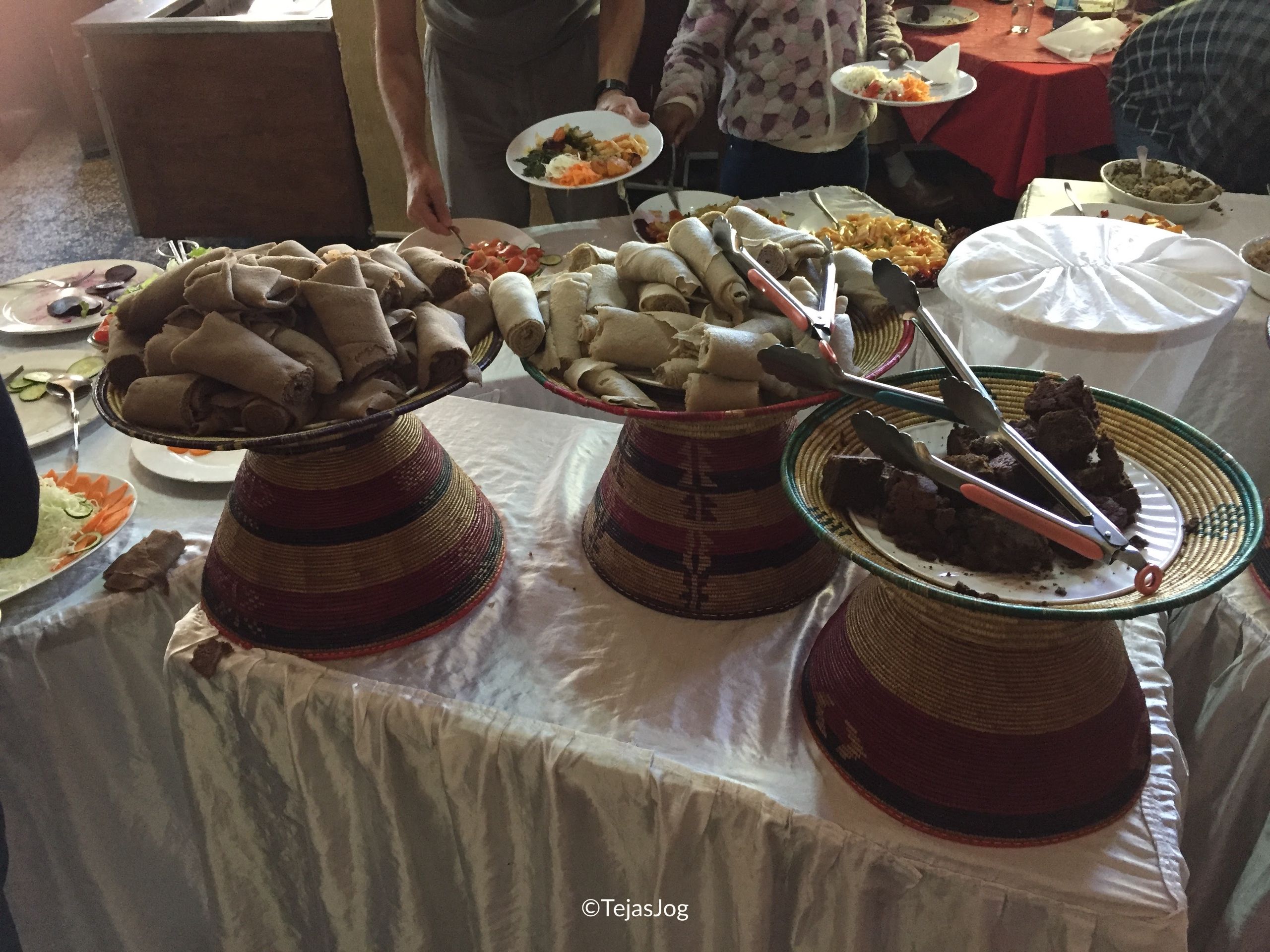
Back in the city, we were dropped off for lunch at the historic Taitu Hotel to try their famous vegan buffet.

We were struck by the similarities to Indian cuisine: plenty of spiced greens, hearty lentils, and vibrant vegetable curries. The standout difference was Injera, the sourdough-risen flatbread with a unique spongy texture that serves as both food and utensil—a fascinating contrast to the wheat-based roti we are used to.



To round off the meal, our guide took us to Tomoca Coffee. This wasn’t a tourist trap, but a bustling hub where locals stand at high tables to enjoy a quick, potent brew. The Ethiopian coffee was delectable—dark, strong, and naturally sweet—providing the perfect caffeine kick for the afternoon.


Next, we visited The National Museum of Ethiopia, where a specialized guide led us through the country’s rich heritage.


The highlight was undoubtedly “Lucy”, the 3.2-million-year-old fossilized remains of Australopithecus afarensis. Standing before one of the most significant links in human evolution was a truly humbling experience.


The basement was dedicated to archaeological and paleoanthropological exhibits.


The first floor had objects from ancient and medieval periods, as well as artifacts from former rulers.


The second floor displayed artwork including a painting depicting the meeting of Solomon and Sheba.


There was also a collection of arts and crafts, including traditional weapons, jewellery, utensils, clothing and musical instruments.


Our final cultural stop was the Holy Trinity Cathedral, built to celebrate the country’s liberation from Italian occupation.


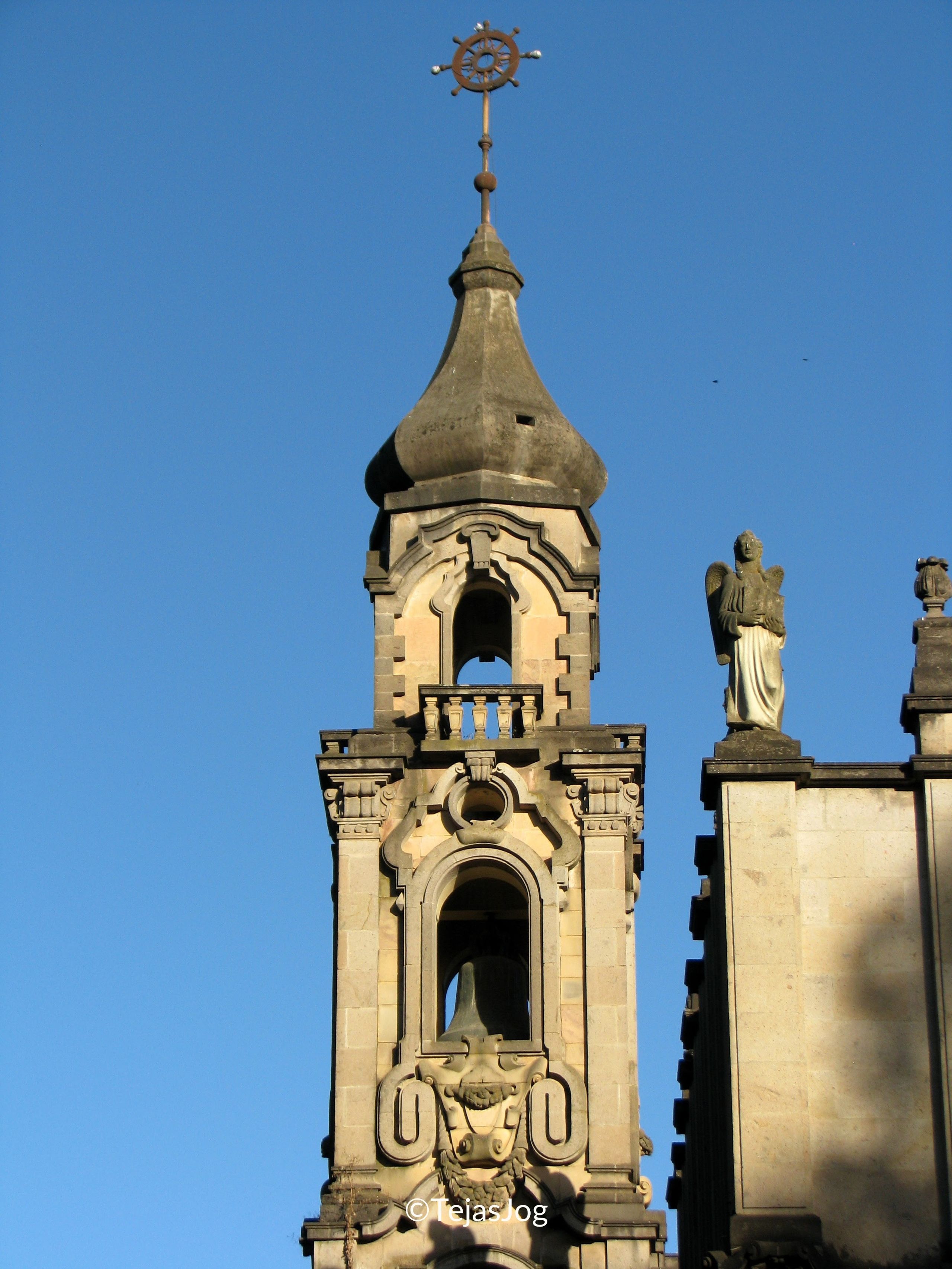

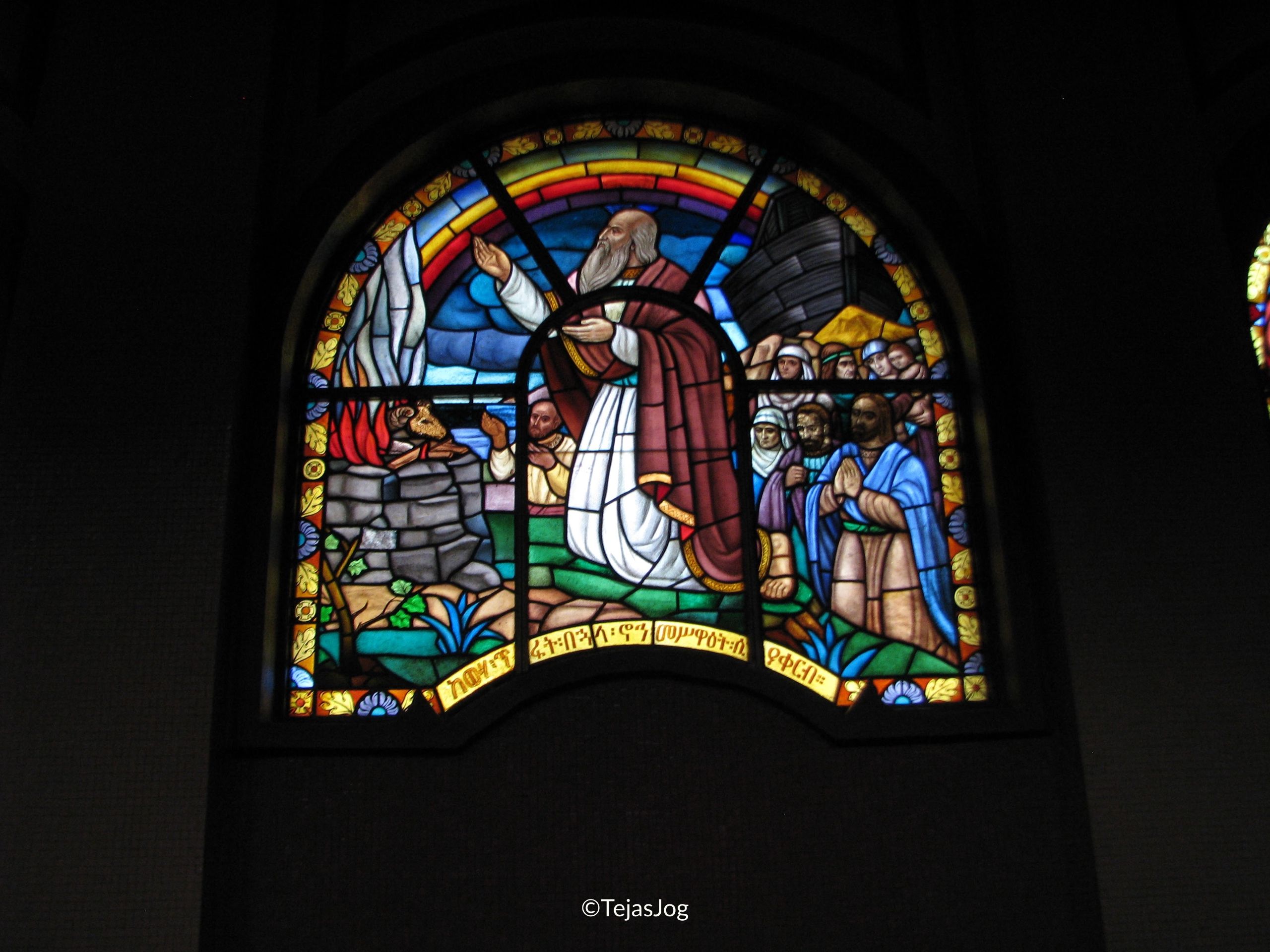
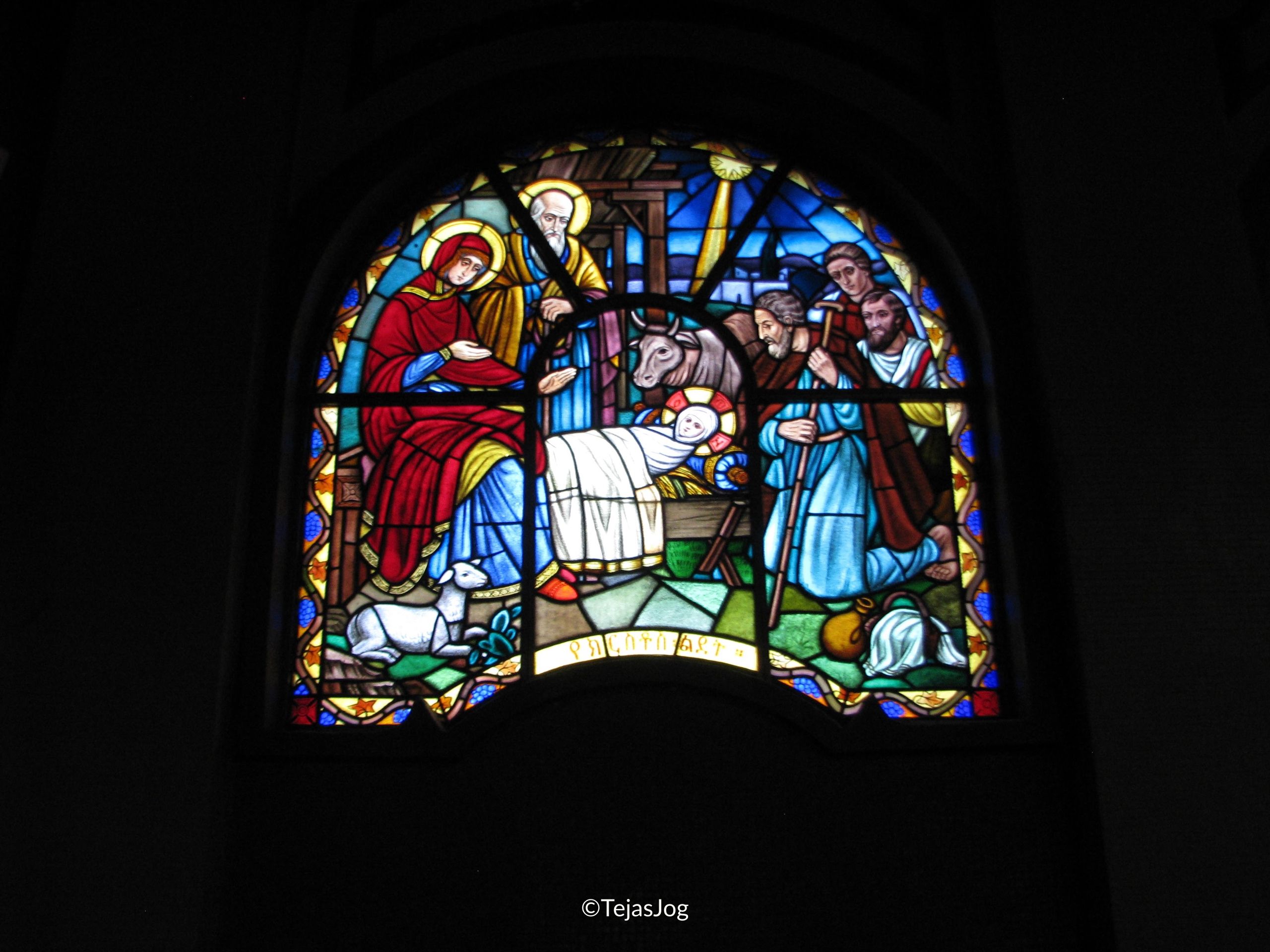
The copper-domed building is stunning, but the true treasure lies inside: a series of magnificent stained-glass windows that bathe the interior in a kaleidoscope of light, depicting scenes from the Old and New Testaments.





As we concluded our tour, we passed two iconic landmarks: the Miyazya 27 Victory Statue, commemorating the end of the five-year Italian struggle, and the Lion of Judah Monument, which stands as a proud symbol of the Ethiopian monarchy and the nation’s independence.


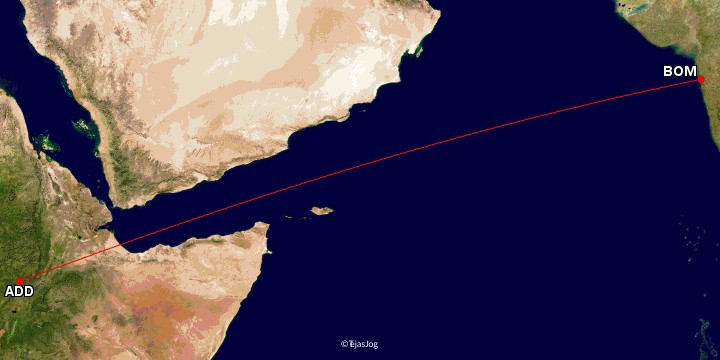
After a few hours of relaxation back at the hotel, we returned to the airport for our final flight, Ethiopian Airlines 640, to Mumbai.
Back at the hotel, we relaxed for a while in our room and then went down to go to the airport.


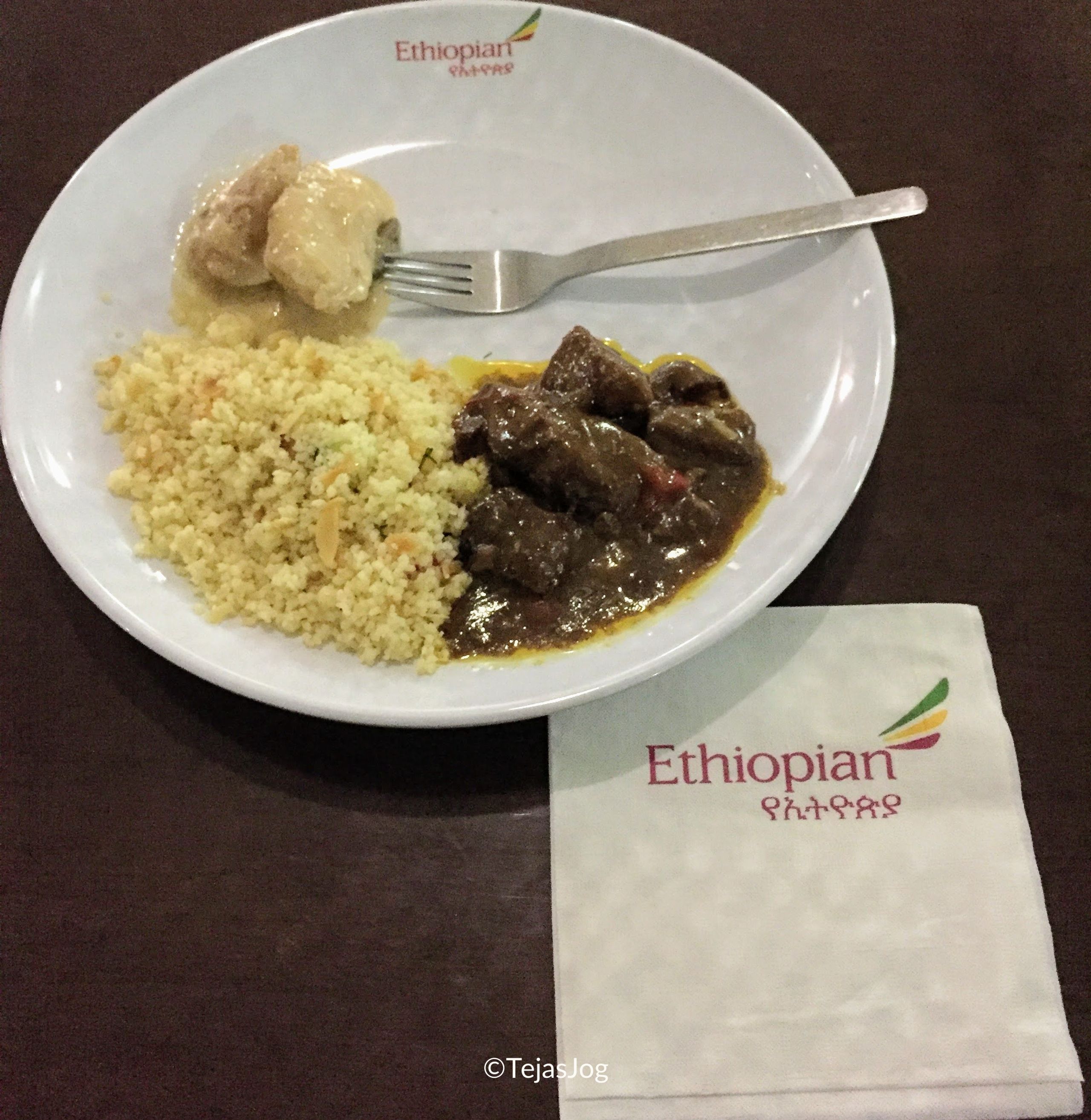
We managed to fit in one last dinner at the Star Alliance Gold Lounge before the festivities began.

Since it was New Year’s Eve, Ethiopian Airlines went above and beyond, setting up traditional coffee ceremonies and food for everyone in the terminal. There was music, laughter, and a wonderful sense of community as travelers from all over the world rang in the new year together. It was the perfect, festive end to an unforgettable journey across Africa.