This was part of Central Europe - Day 2 🇵🇱 🔗.
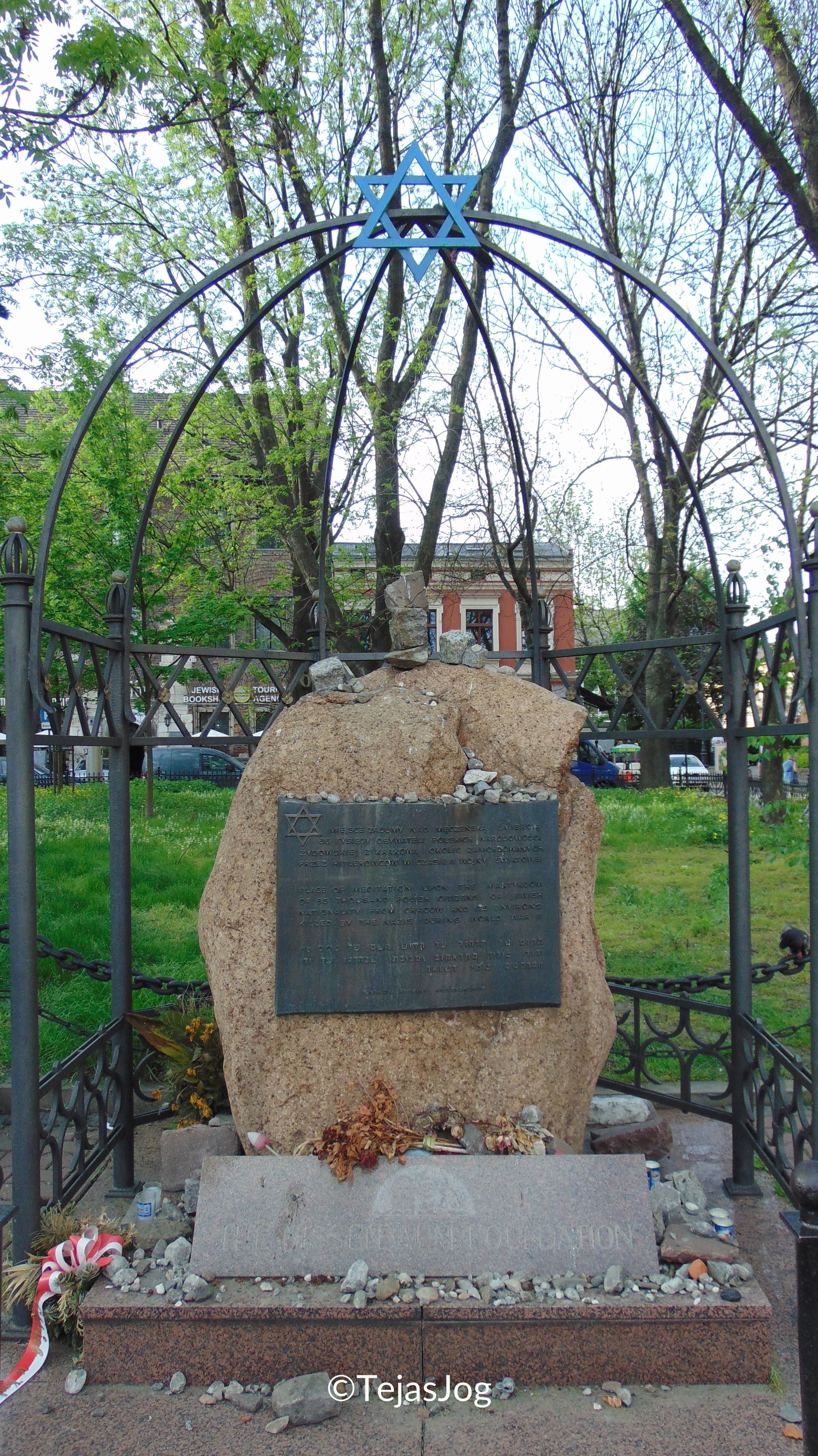
I joined the Jewish Kraków tour at 5:00 PM. We started at the Old Synagogue in the Kazimierz district, the oldest surviving Jewish house of prayer in Poland and a rare example of a fortress synagogue. Nearby, we paid our respects at the Pomnik pamięci krakowskich ofiar Holokaustu, a moving memorial honoring the thousands of local victims. As we walked, we saw a vibrant mural in Kazimierz and also saw visited the Izaak Synagogue, a grand Baroque building.



We passed by the Corpus Christi Basilica, a massive Gothic church that stands as a landmark of the district’s Christian history. Our guide also led us to the Tempel Synagogue, known for its stunning Moorish-style interior, and pointed out several locations where the film ‘Schindler’s List’ was shot, which helped bring the tragic history of the area to global attention.


Next, we walked to Wolnica Square, which served as the center of the town when Kazimierz was an independent city. Here, we saw the Trzej Grajkowie (The Three Musicians) sculpture; this whimsical fountain features bronze musicians who appear to be playing for the square.


We crossed the Vistula River on the Father Bernatek’s Bridge into Podgórze. This pedestrian bridge is famous for the gravity-defying, acrobatic sculptures by Jerzy Kędziora that balance delicately on the wires, appearing to float above the water.


In Podgórze, we saw the striking “Never Follow” mural by Blu, which uses social commentary to reflect on the neighborhood’s past. Nearby, we saw a rare remnant of the Ghetto wall, designed with rounded tops that chillingly resemble tombstones, and walked past historic tenement houses that still bear the scars of the wartime occupation.


We then reached Plac Bohaterów Getta (Ghetto Heroes Square). Laid out with 70 large metal chairs to symbolize the departure and subsequent absence of the ghetto’s residents, the entire square serves as an iconic memorial to the victims of the Kraków Ghetto.


Our last stop was Oskar Schindler’s Enamel Factory. Here, Schindler employed Jewish laborers, ultimately saving more than a thousand lives from the Nazis. The building now houses a museum that documents the history of Kraków under the occupation.


