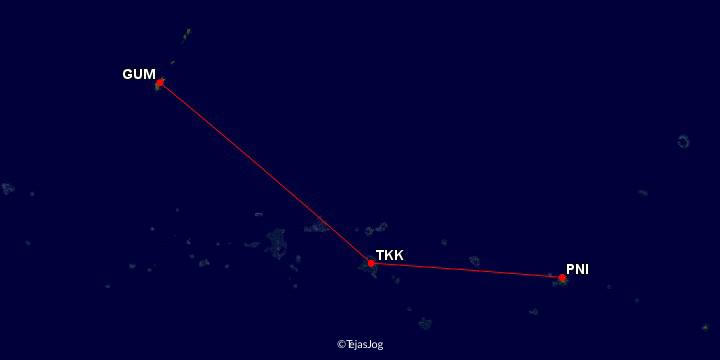
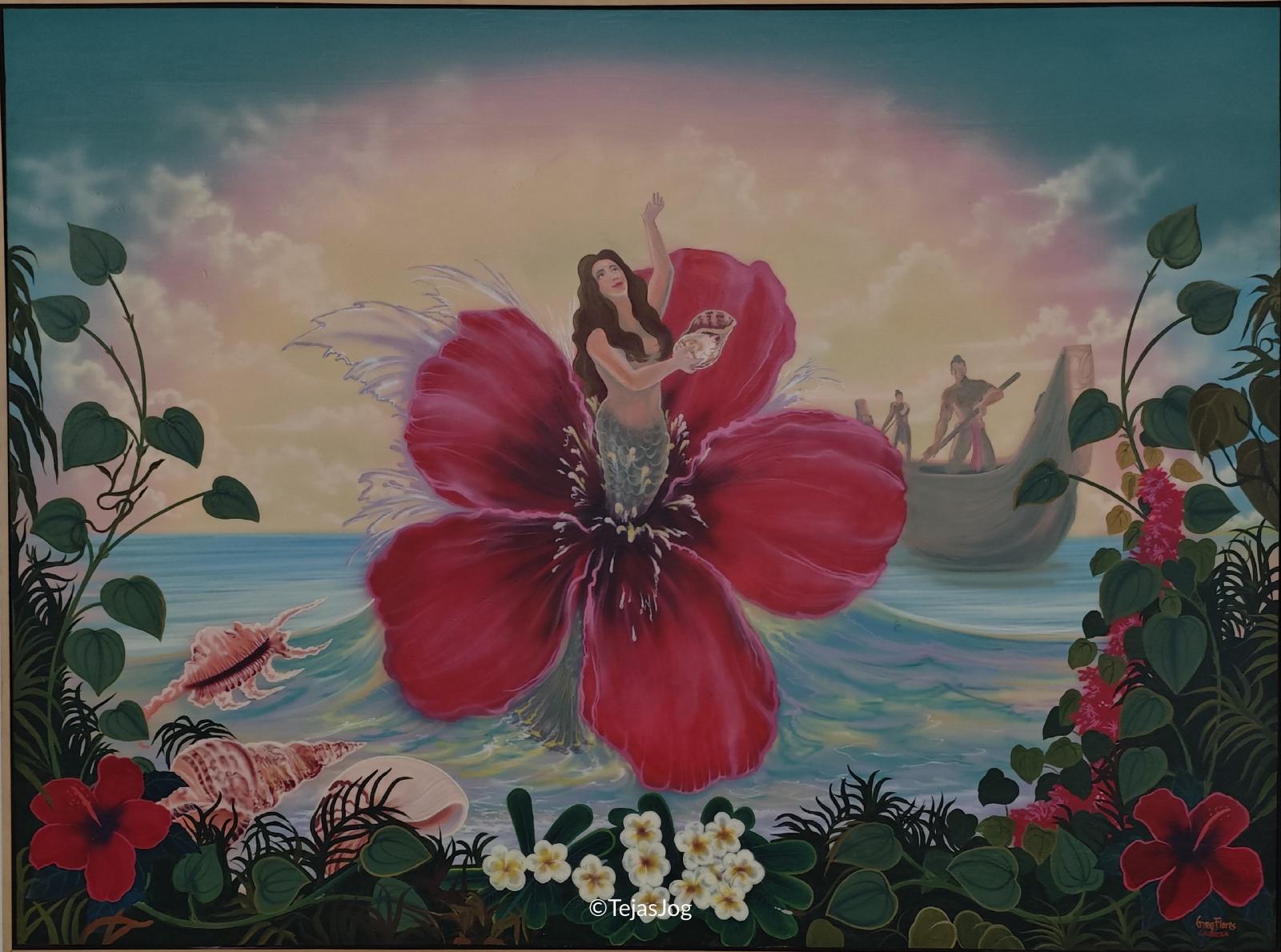
We left from Pohnpei a little after midnight and had a stop in Chuuk before landing in Guam early in the morning. This was our second transit through Antonio B. Won Pat International Airport. There were many beautiful paintings and artwork in the departure area.
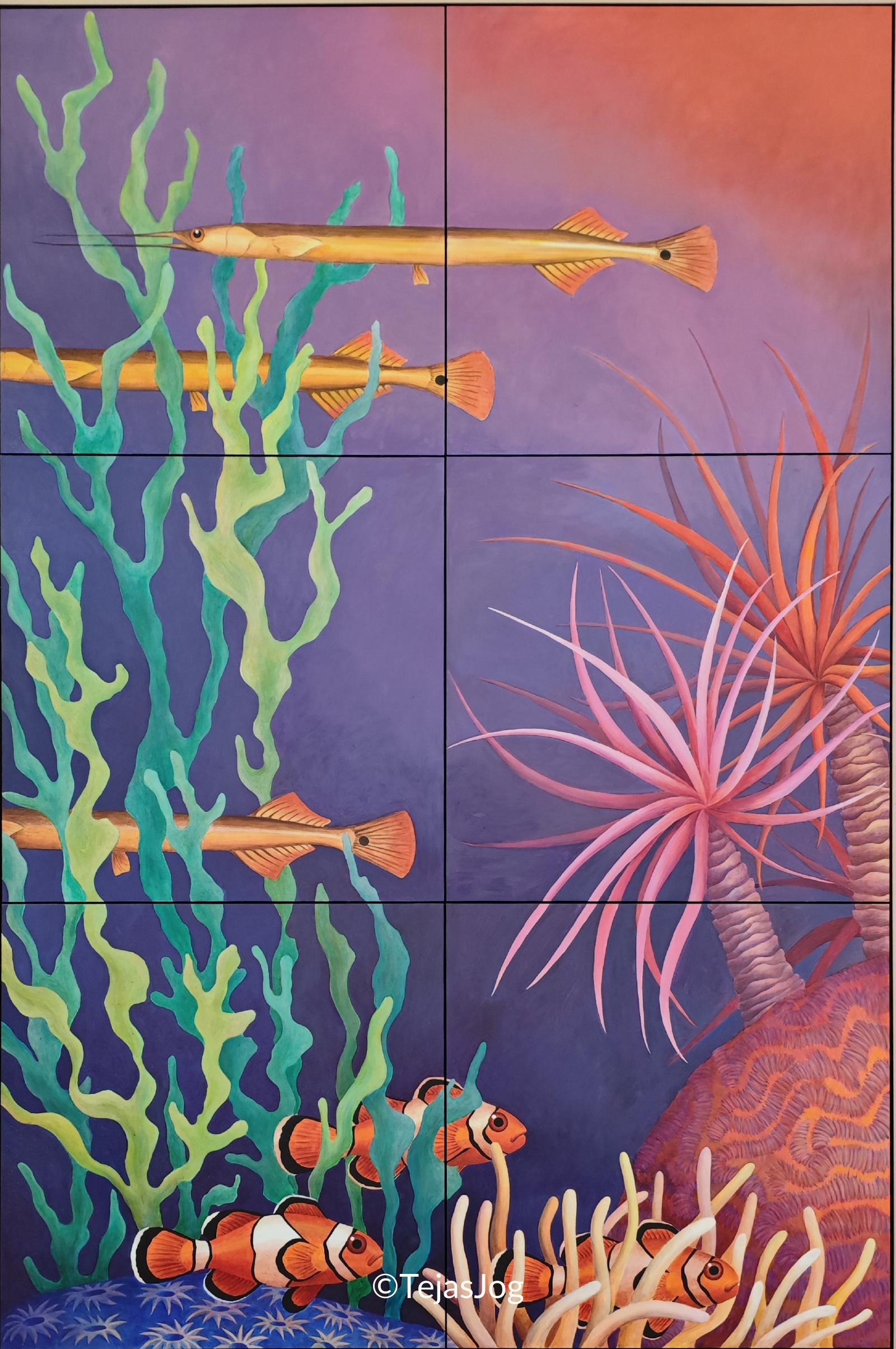
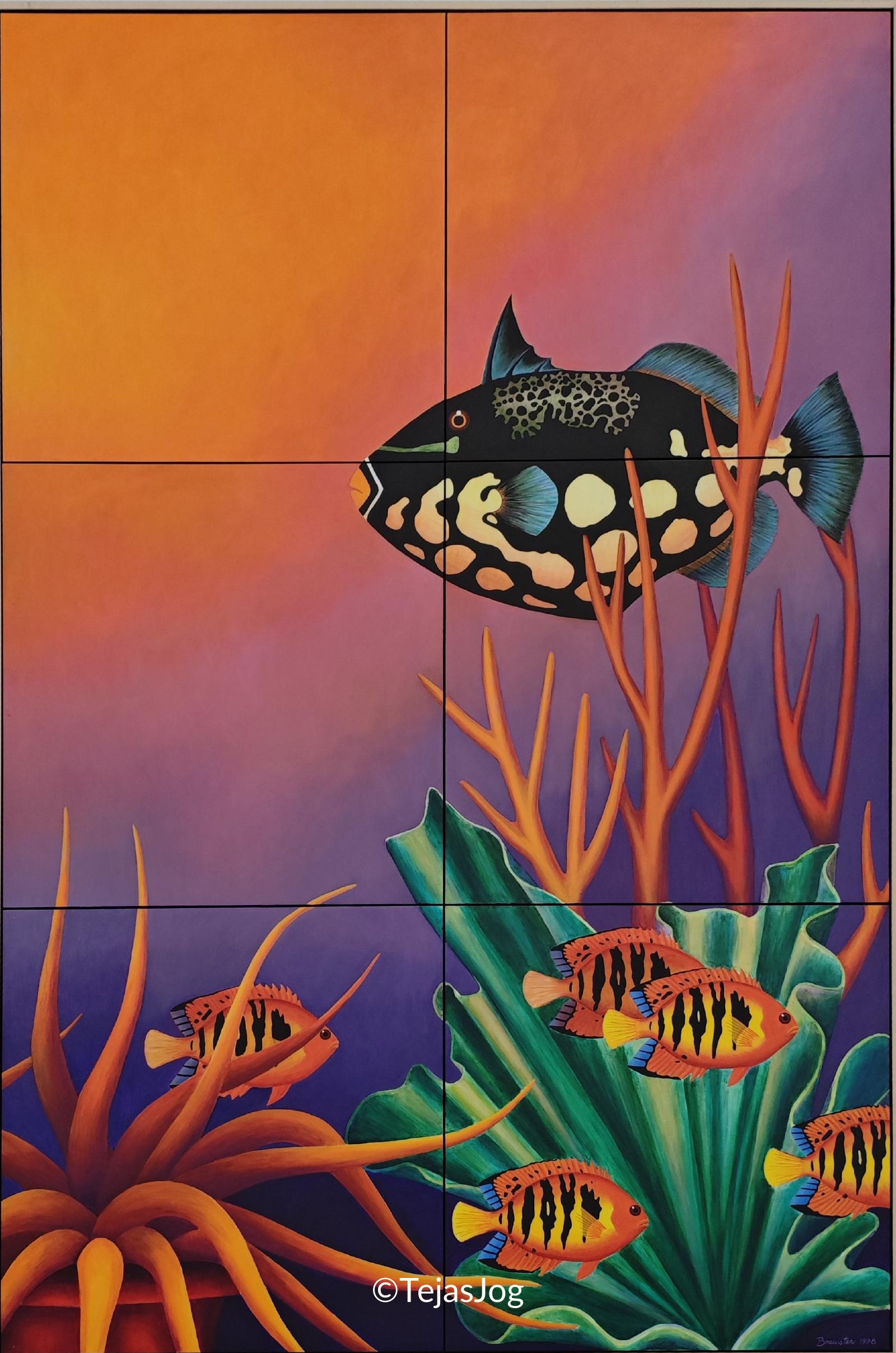
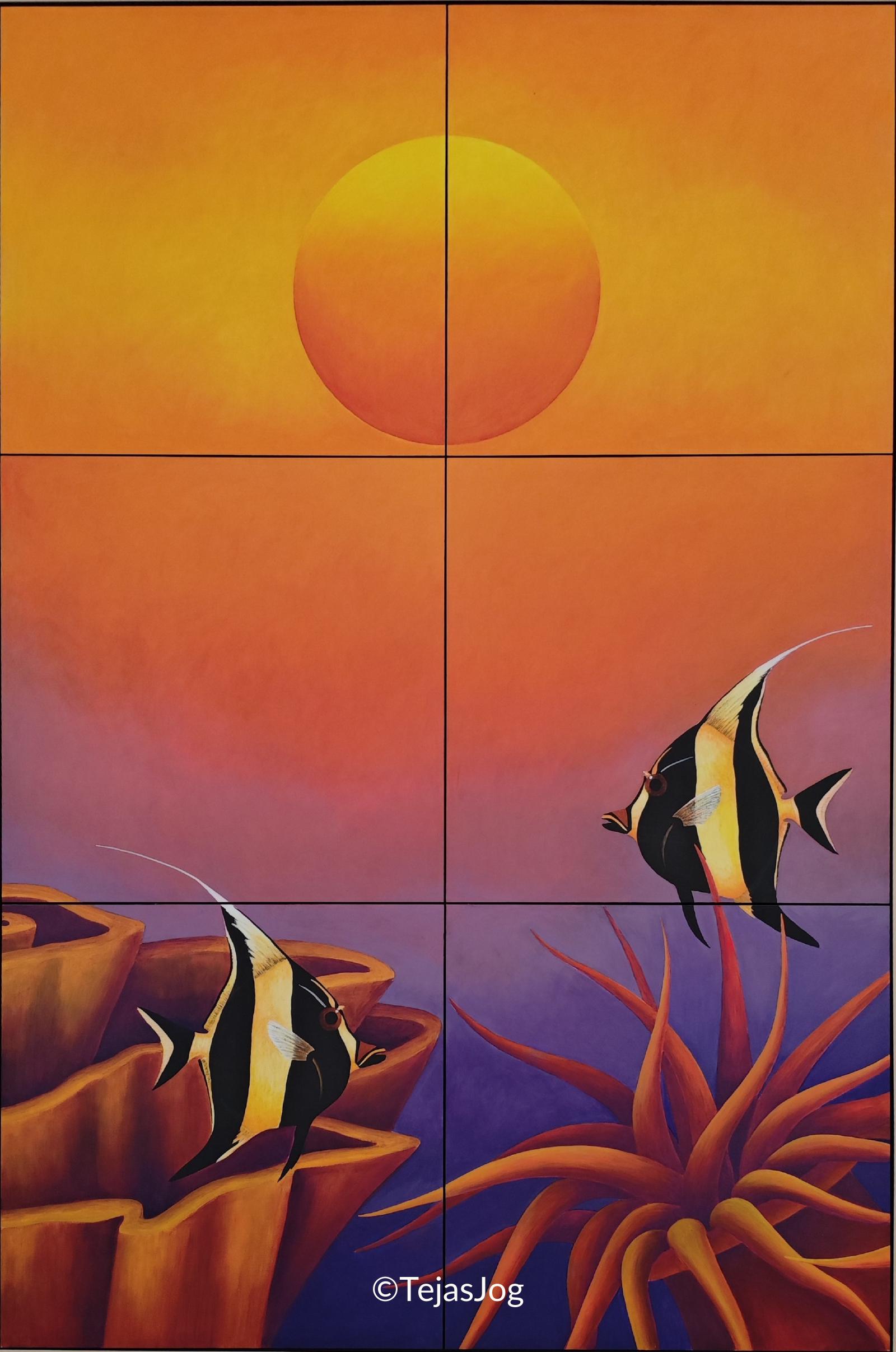
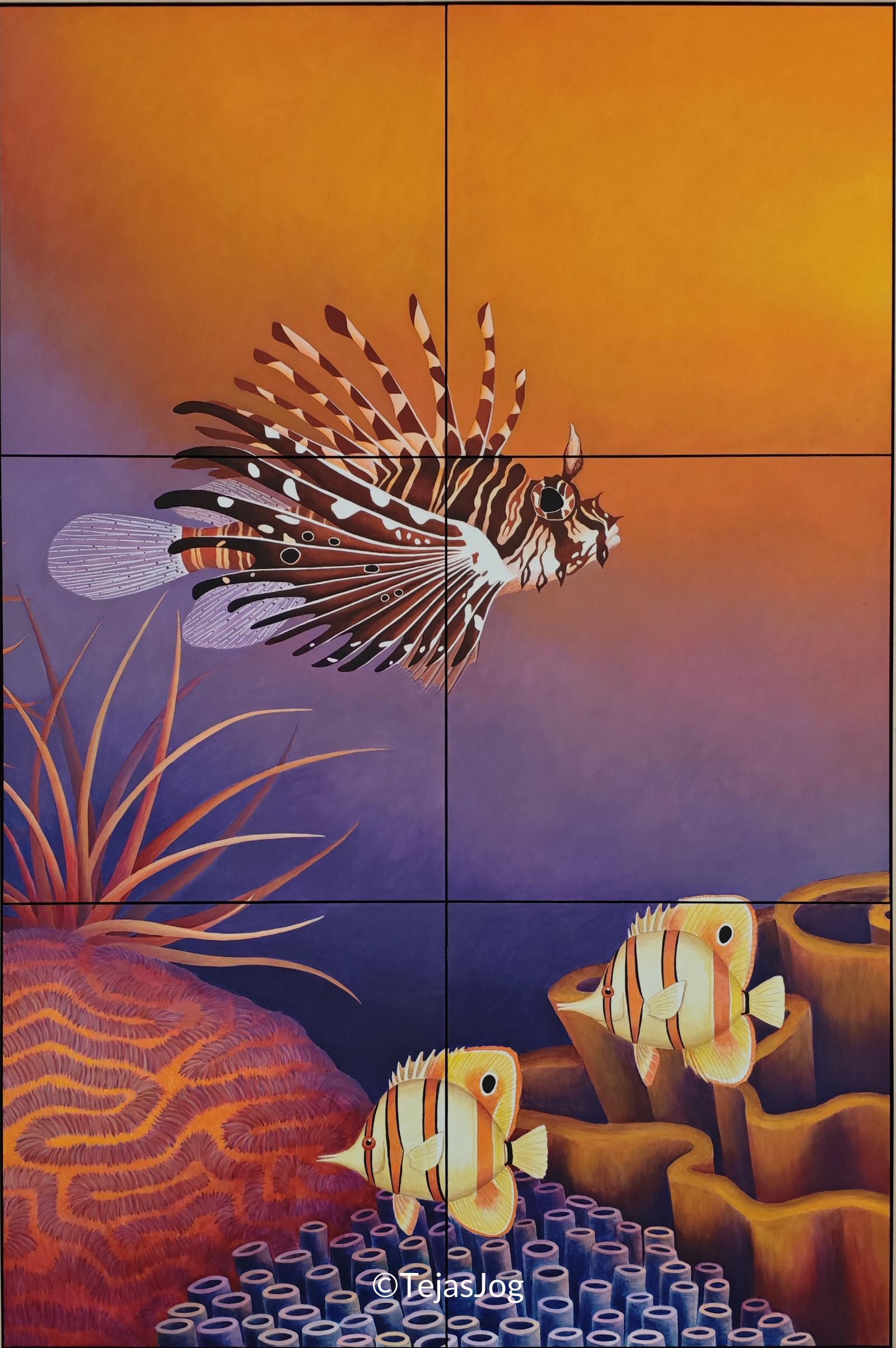
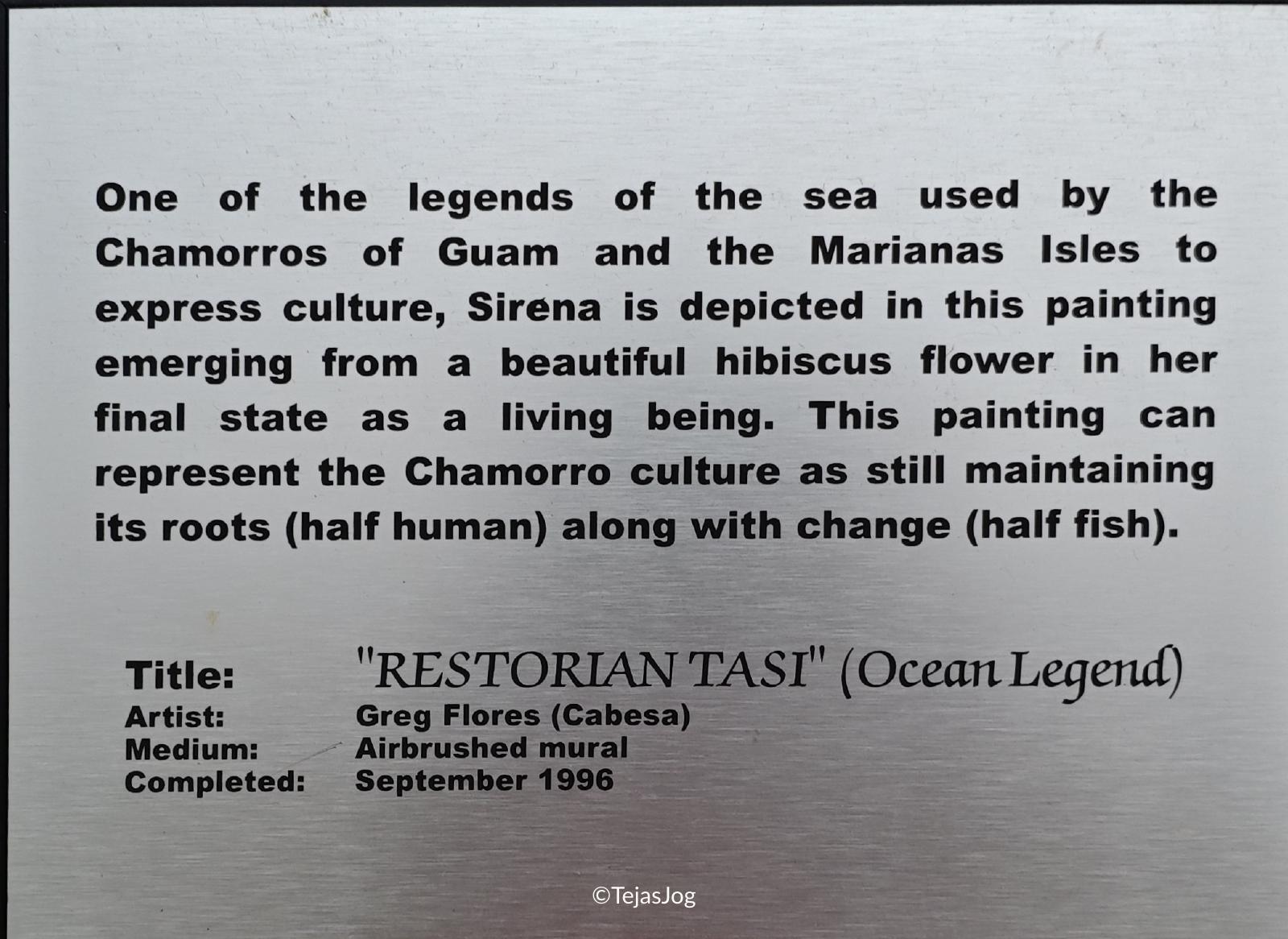
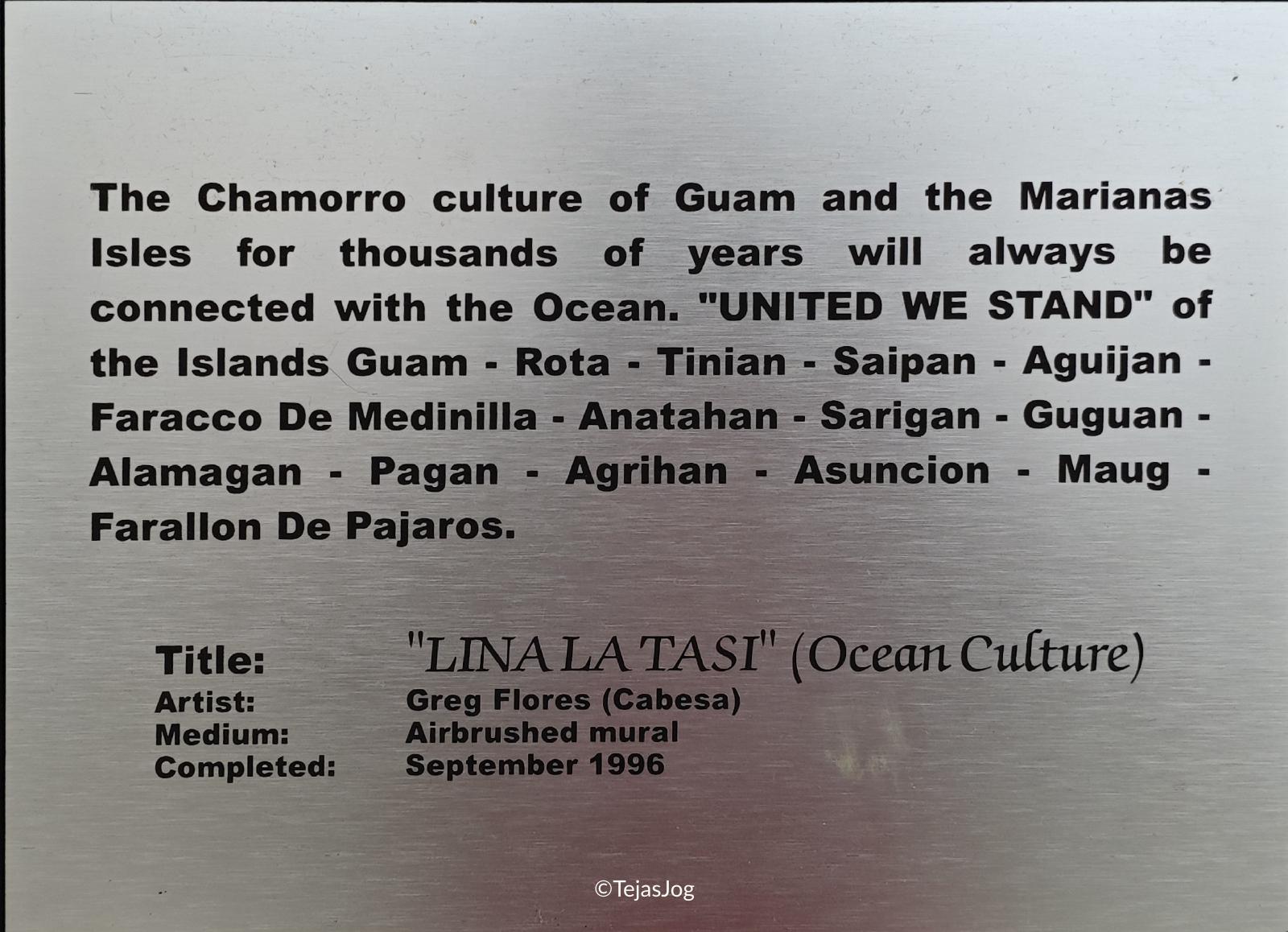
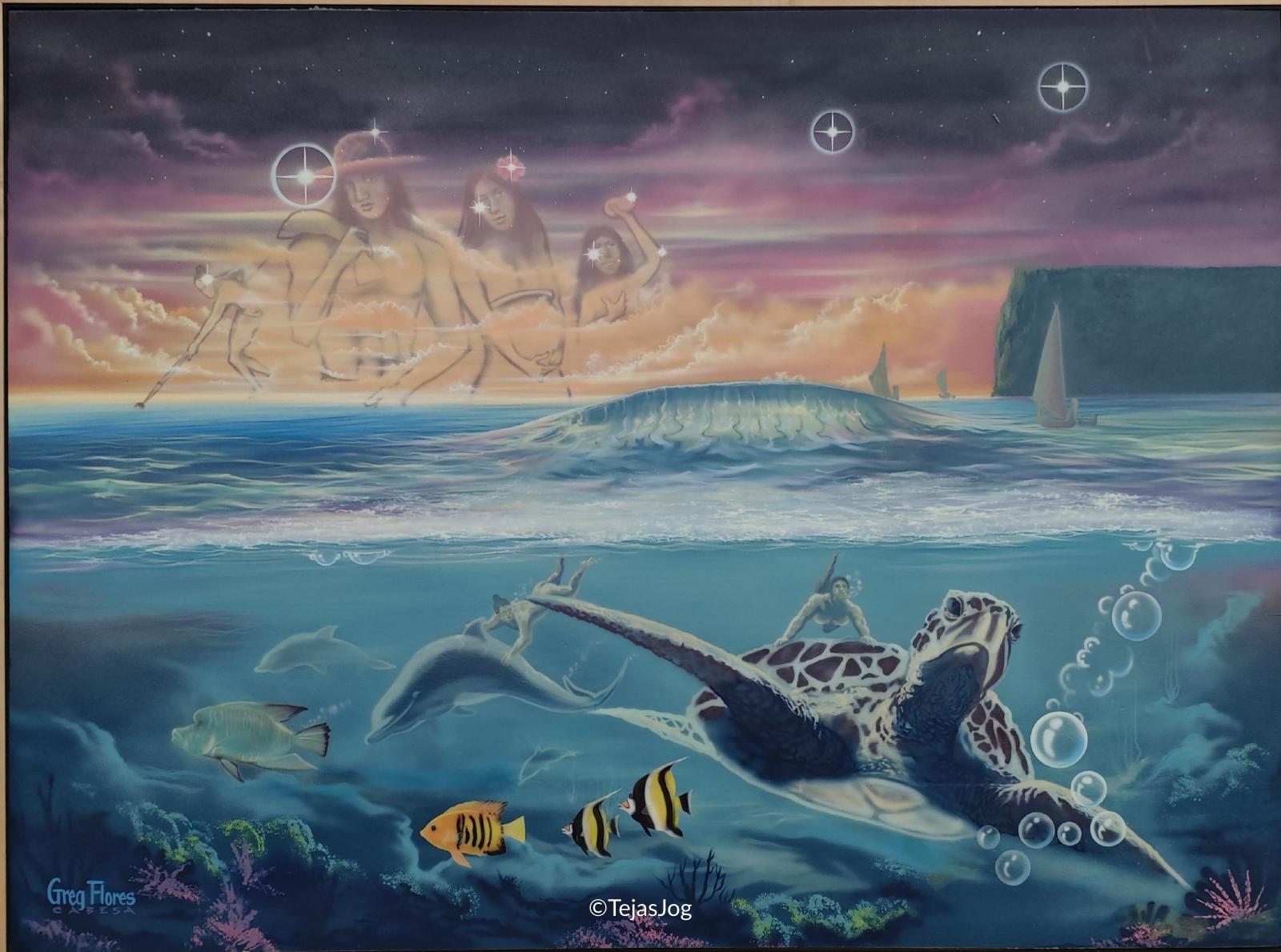
We saw two airbrushed murals by Greg Flores (Cabesa): Restorian Tasi and Lina La Tasi.
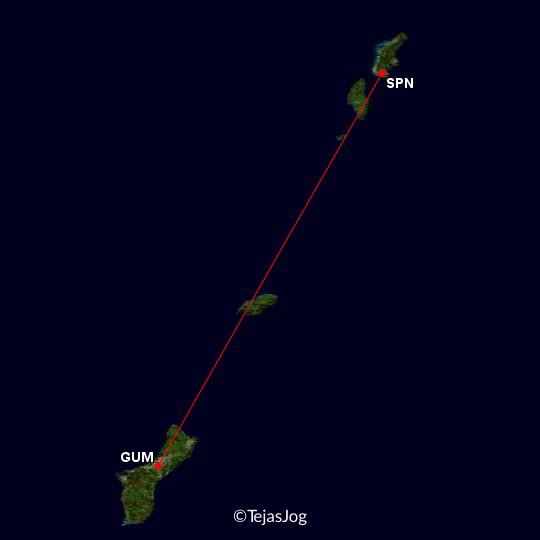
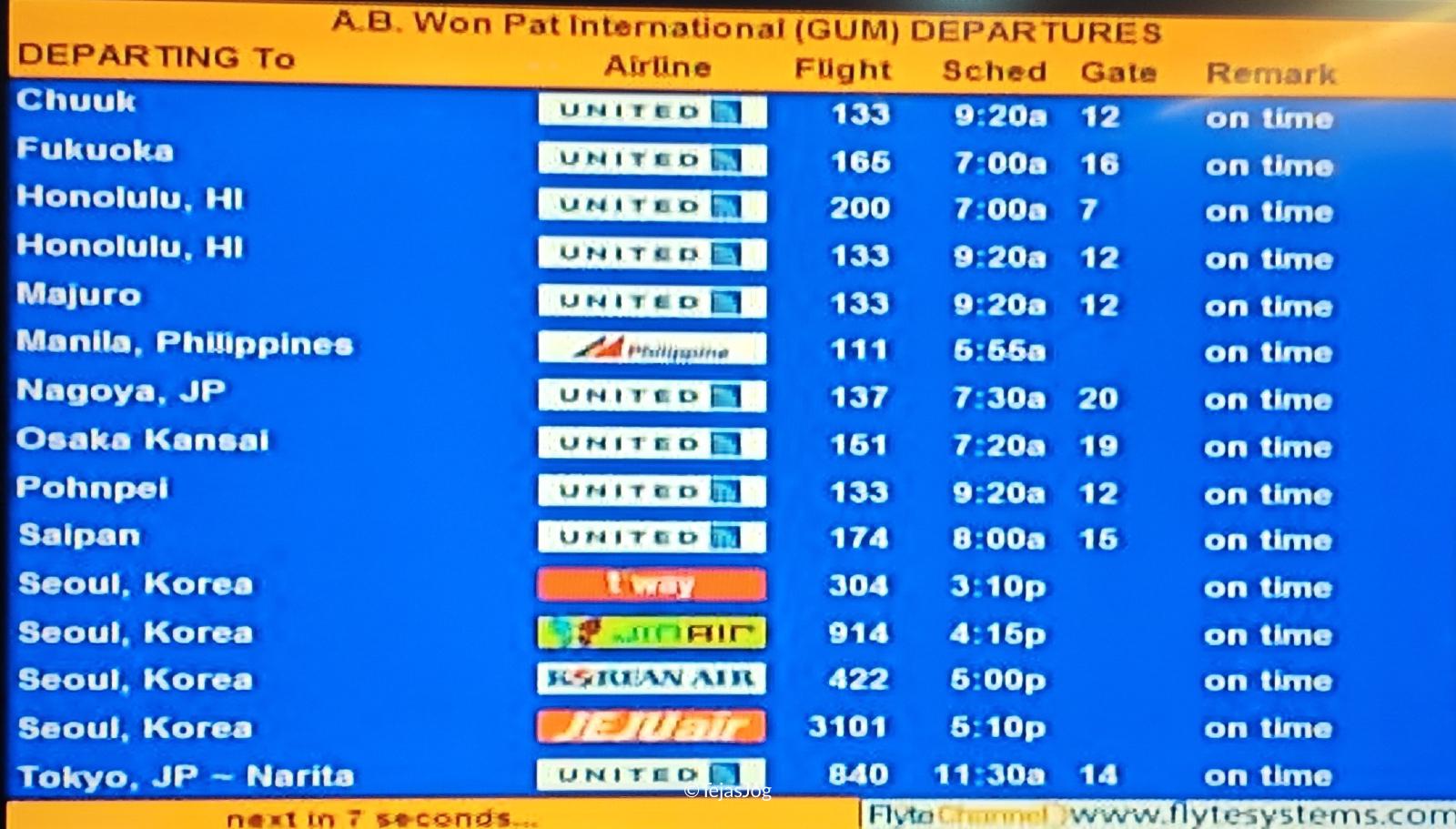
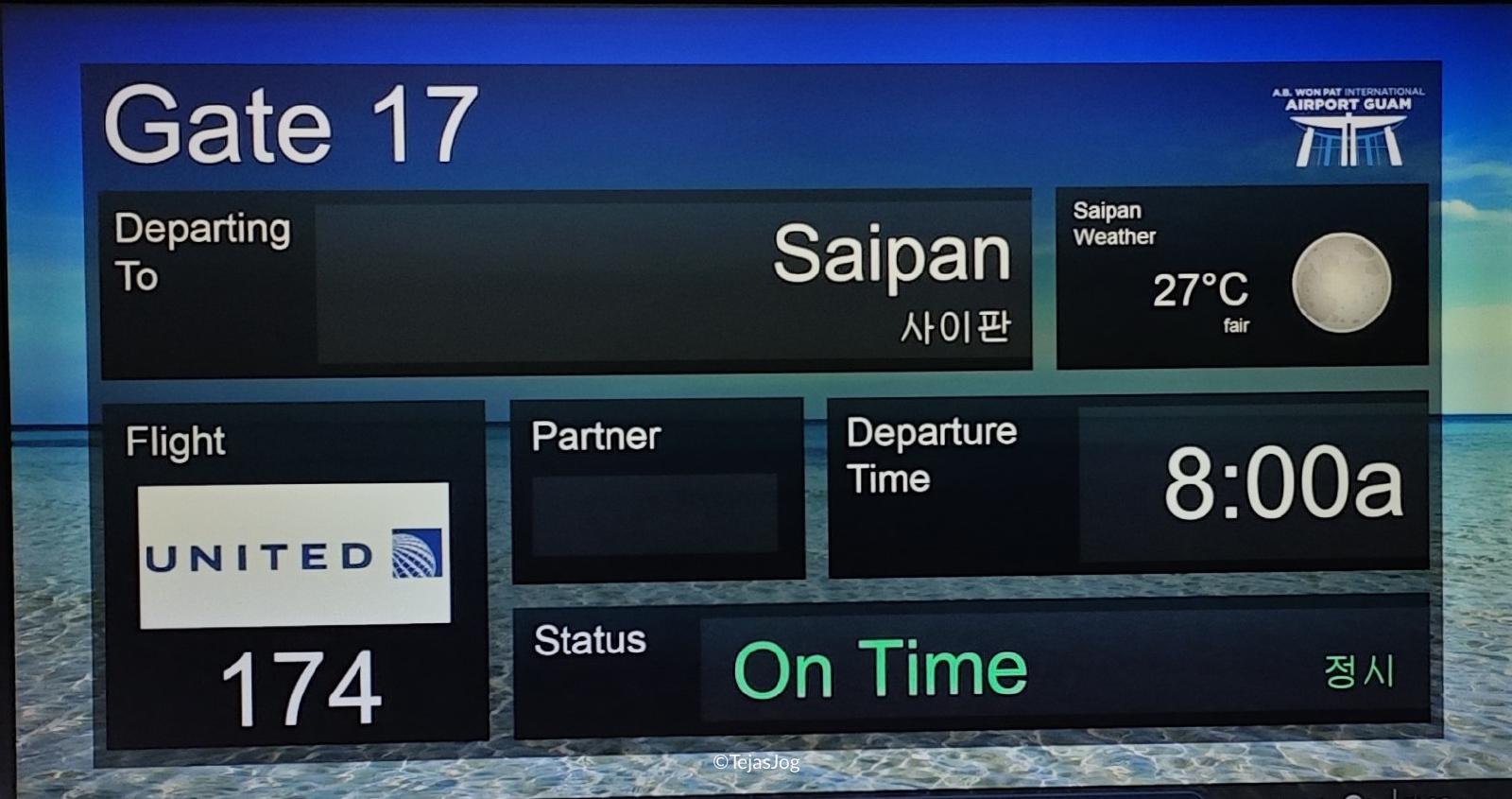
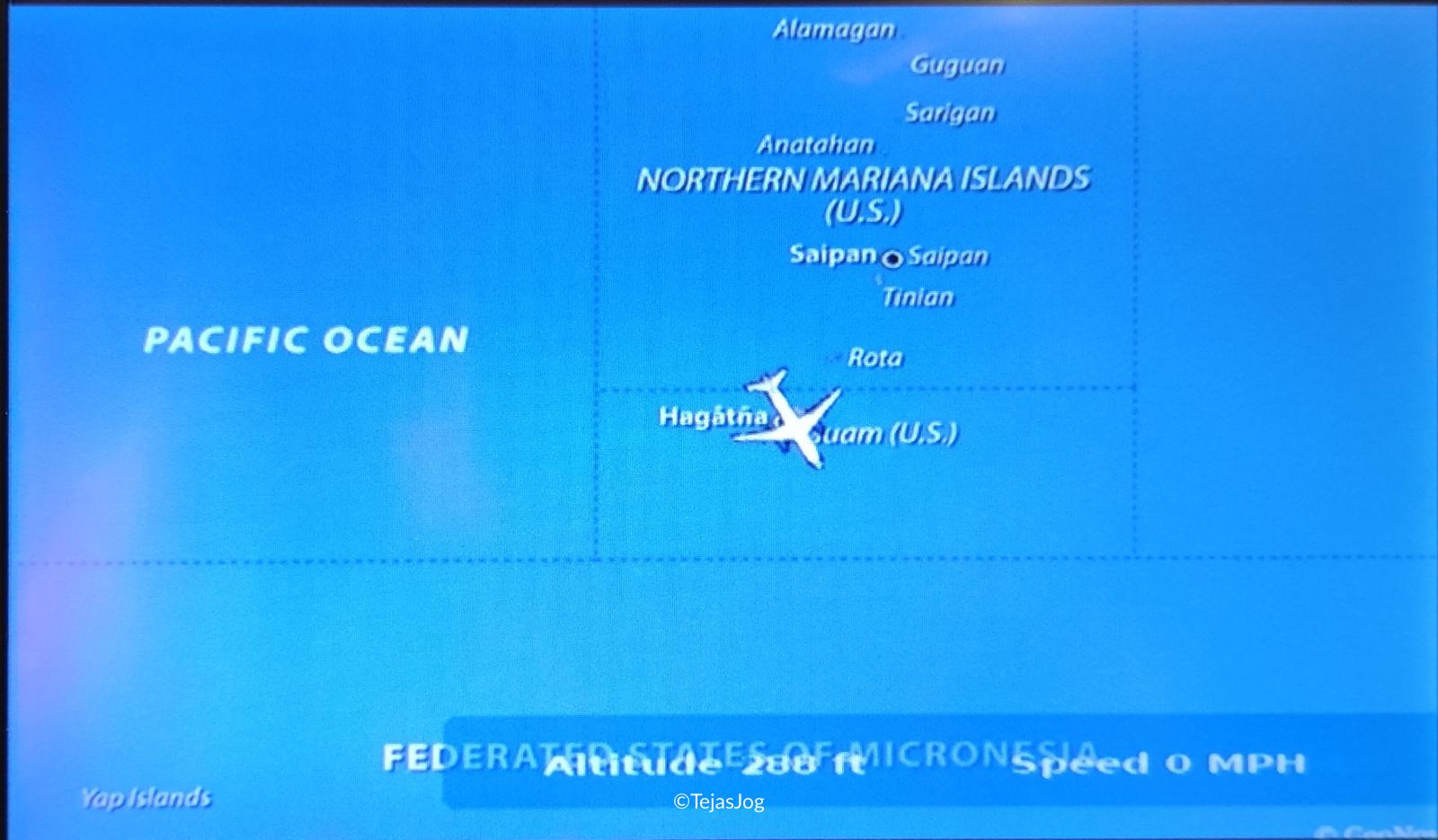
Our flight, United Airlines 174, was a quick hop north. This was one of the shortest commercial international flights I have been on.
After landing, we collected our bags and picked up the rental car for the next two days. We had reserved a car for the day through expedia.com, and the actual booking was with Alamo Rent A Car.
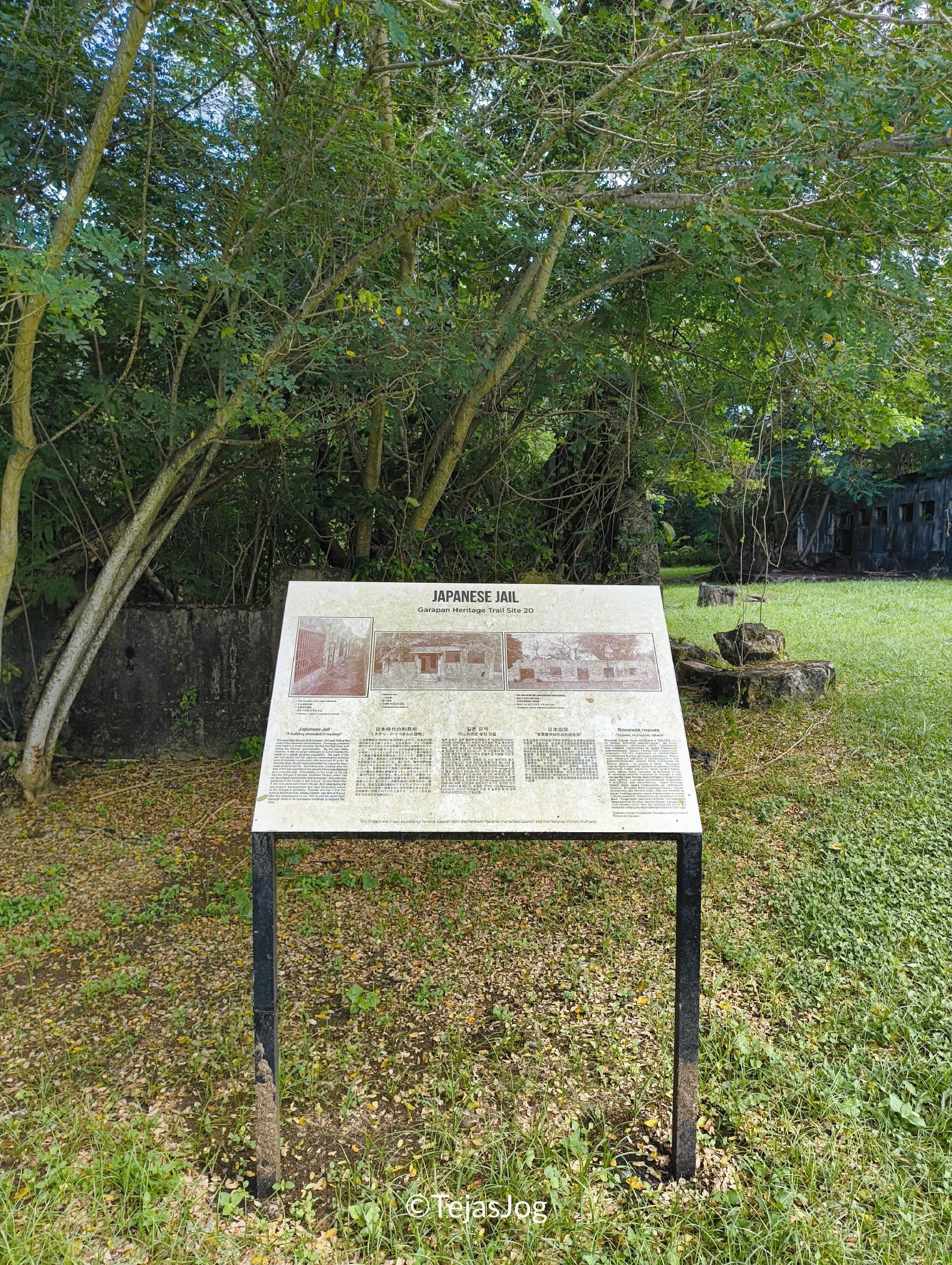
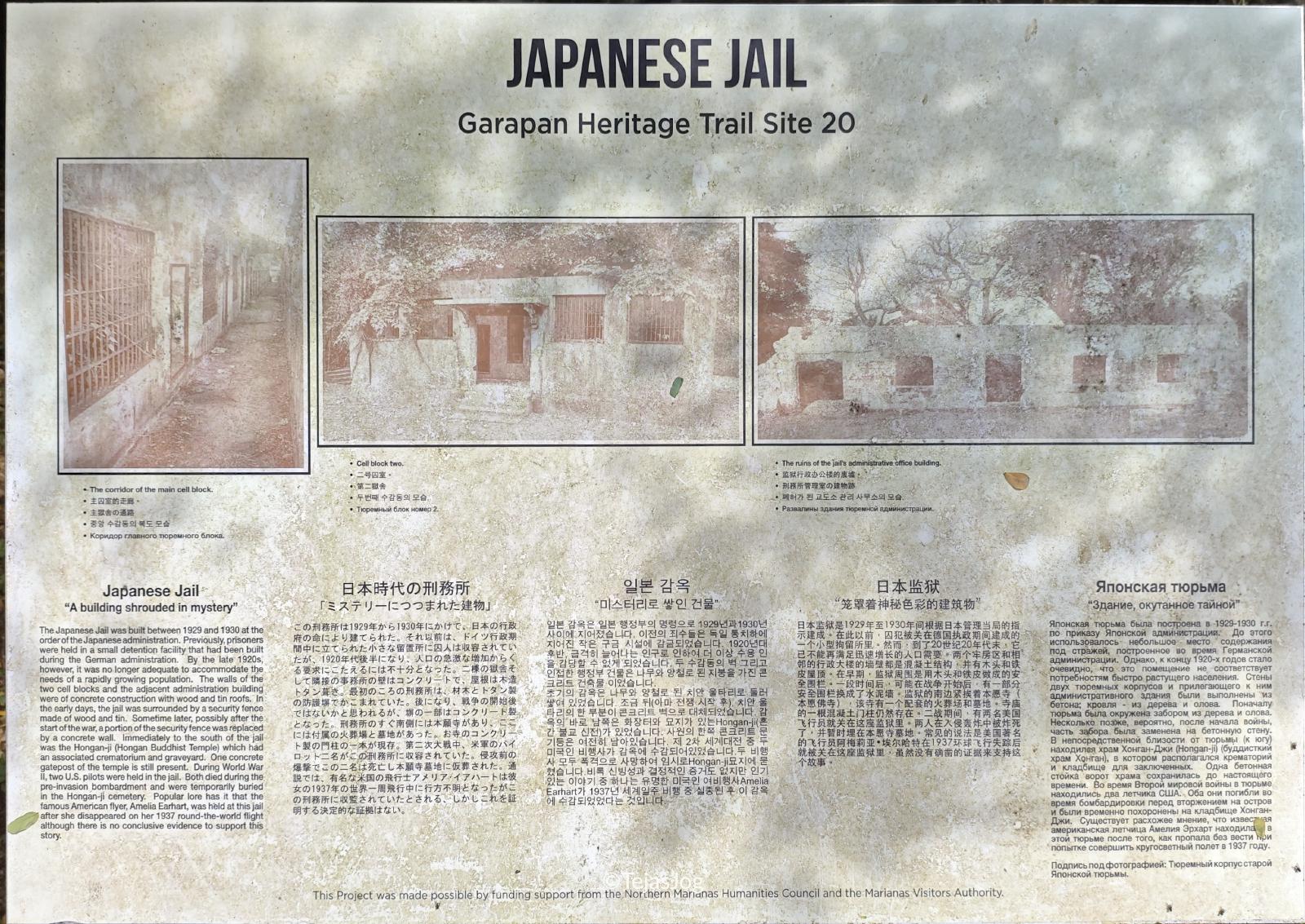
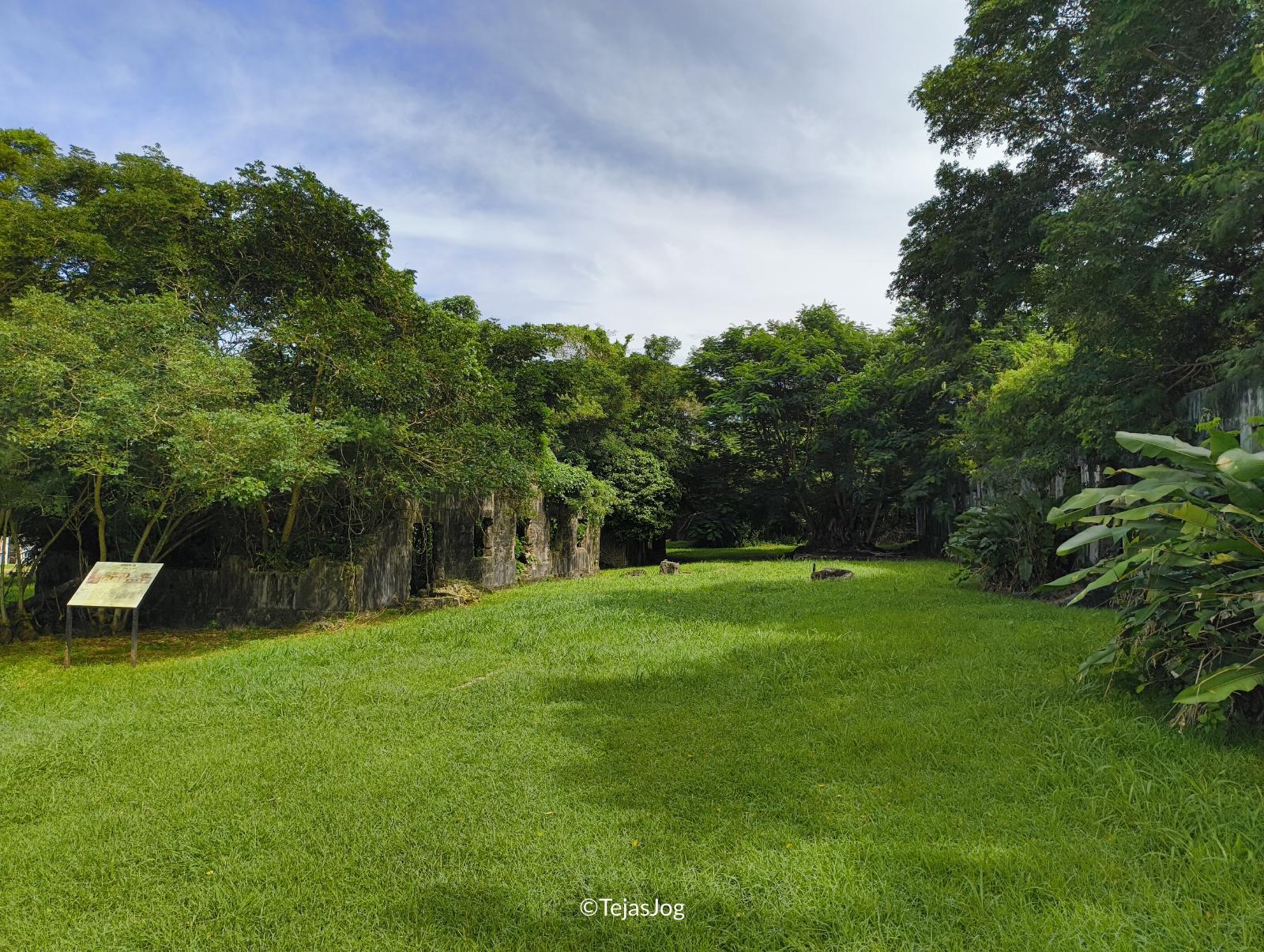
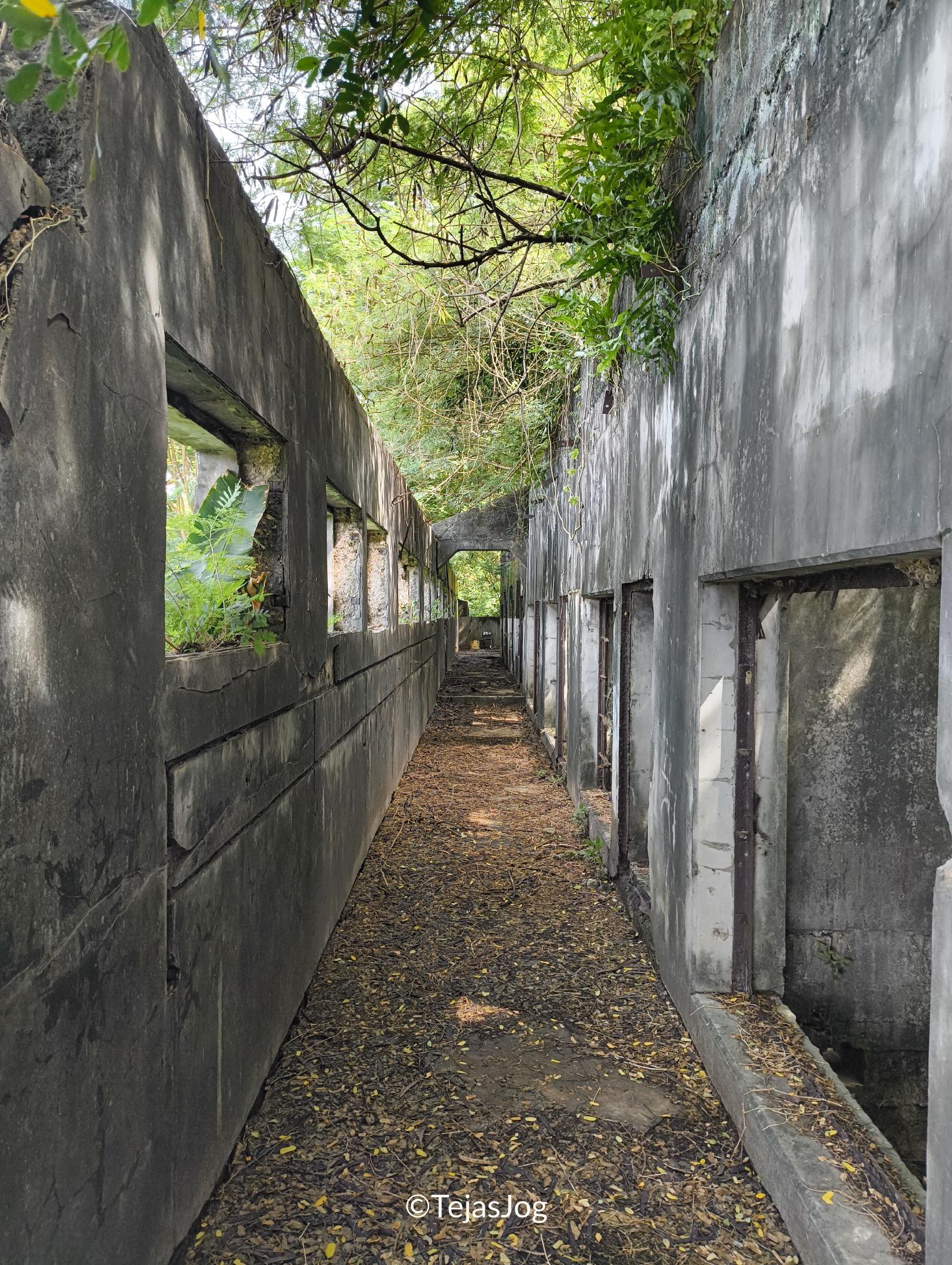
We had arrived early in the day and our room at G.T. Guest House would not be ready until later, so we decided to visit a few places nearby. Our first stop was the Old Japanese Jail, one of the few surviving pre-World War II structures in Saipan.
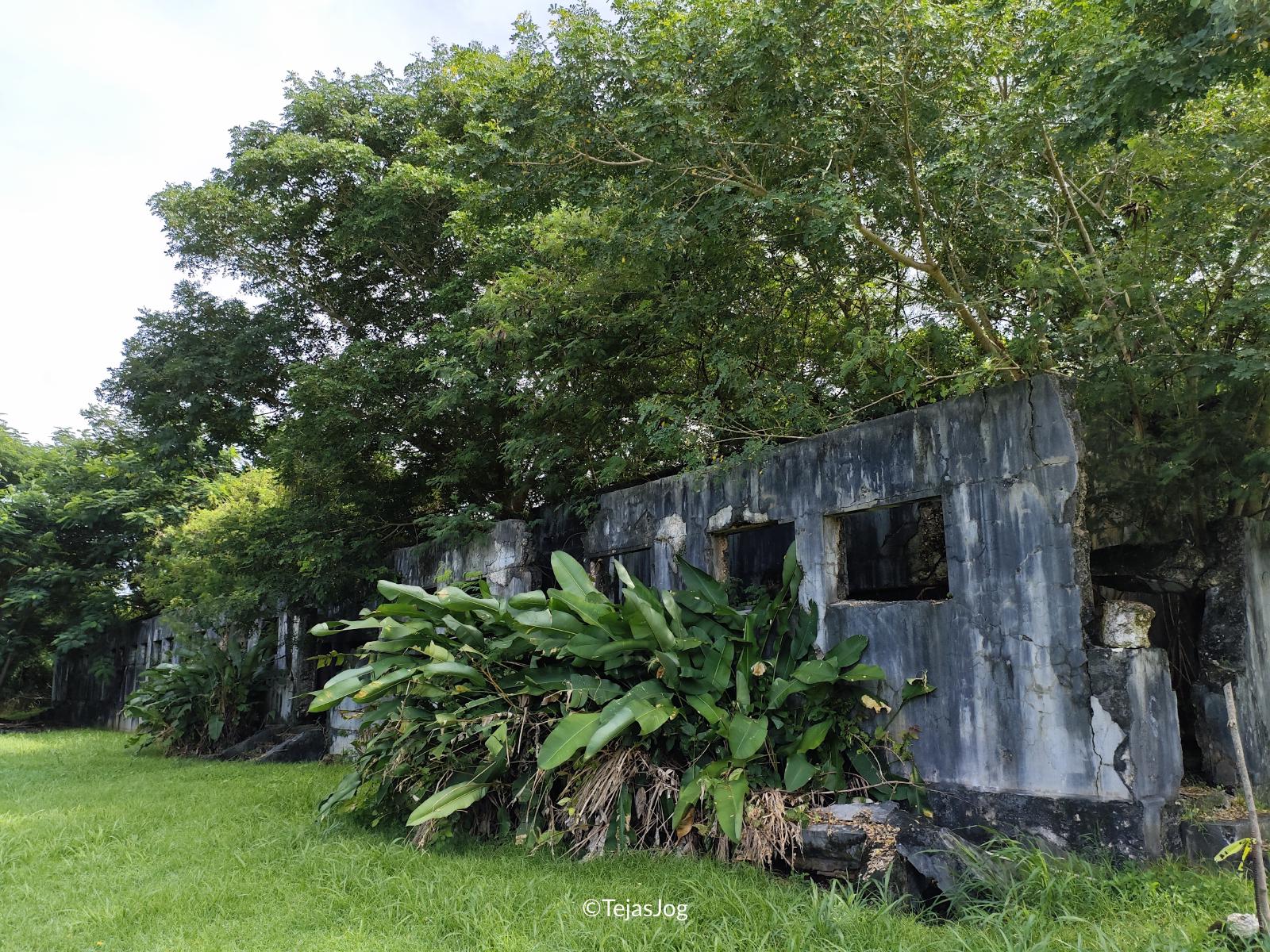
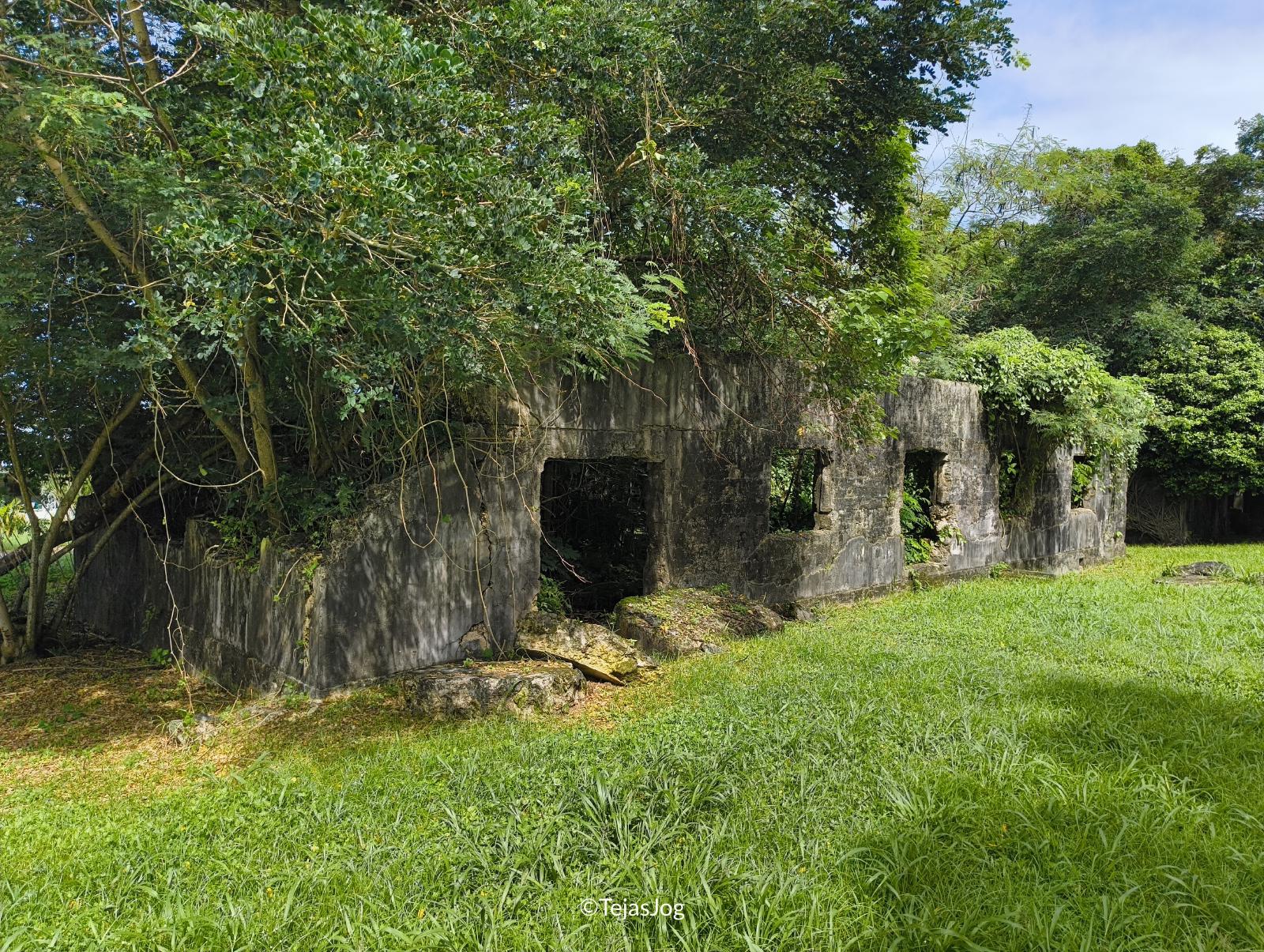
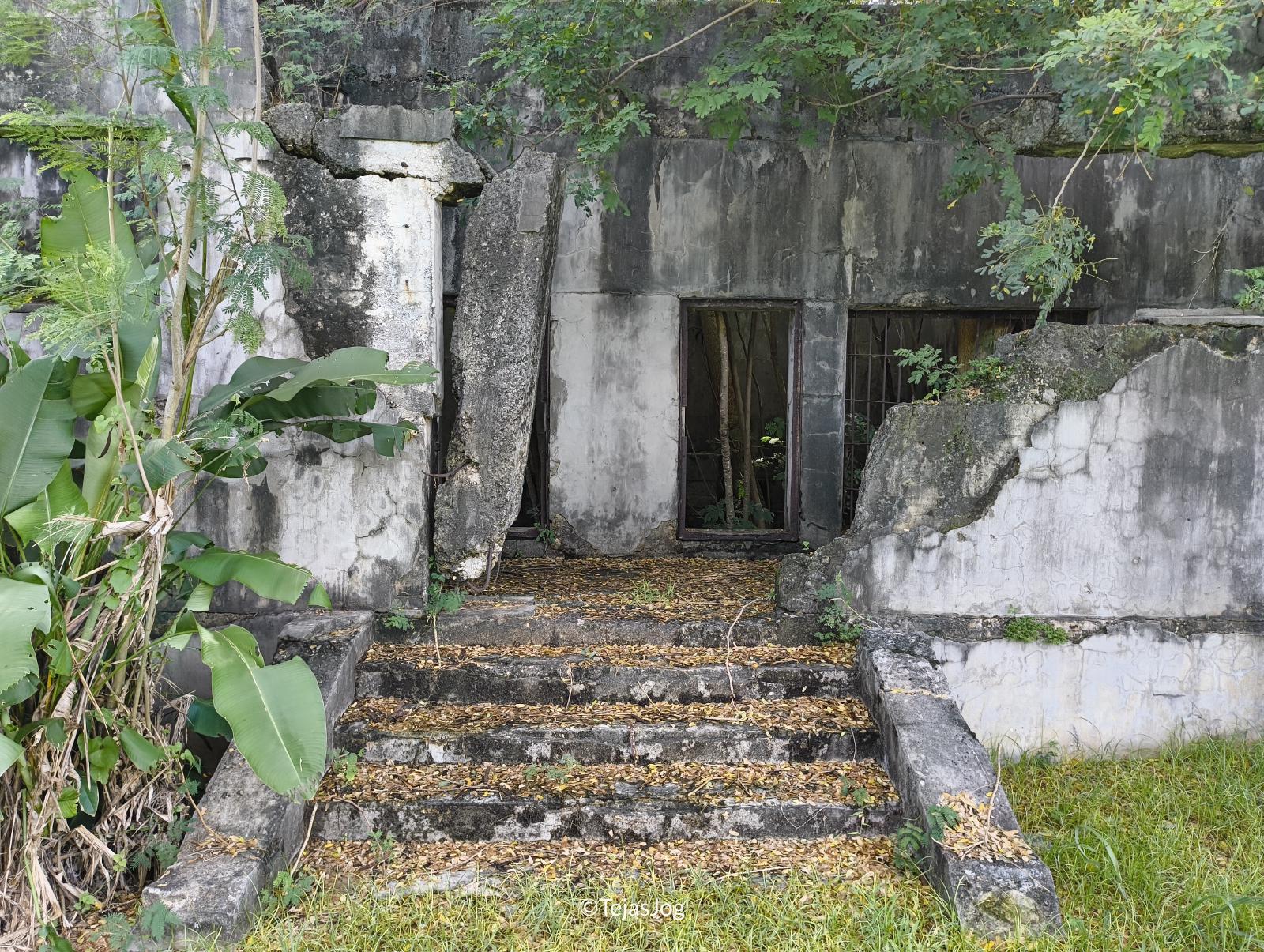
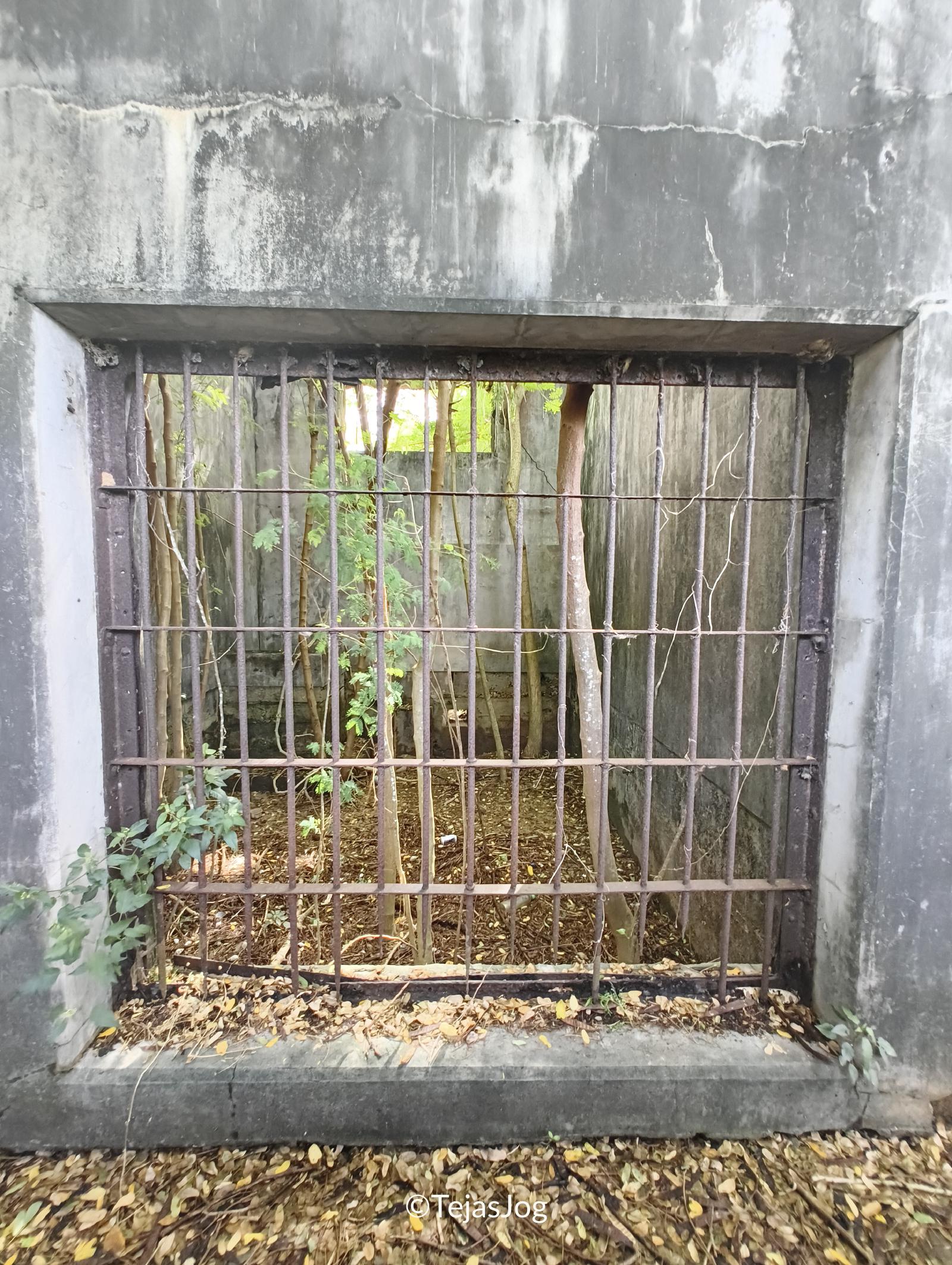
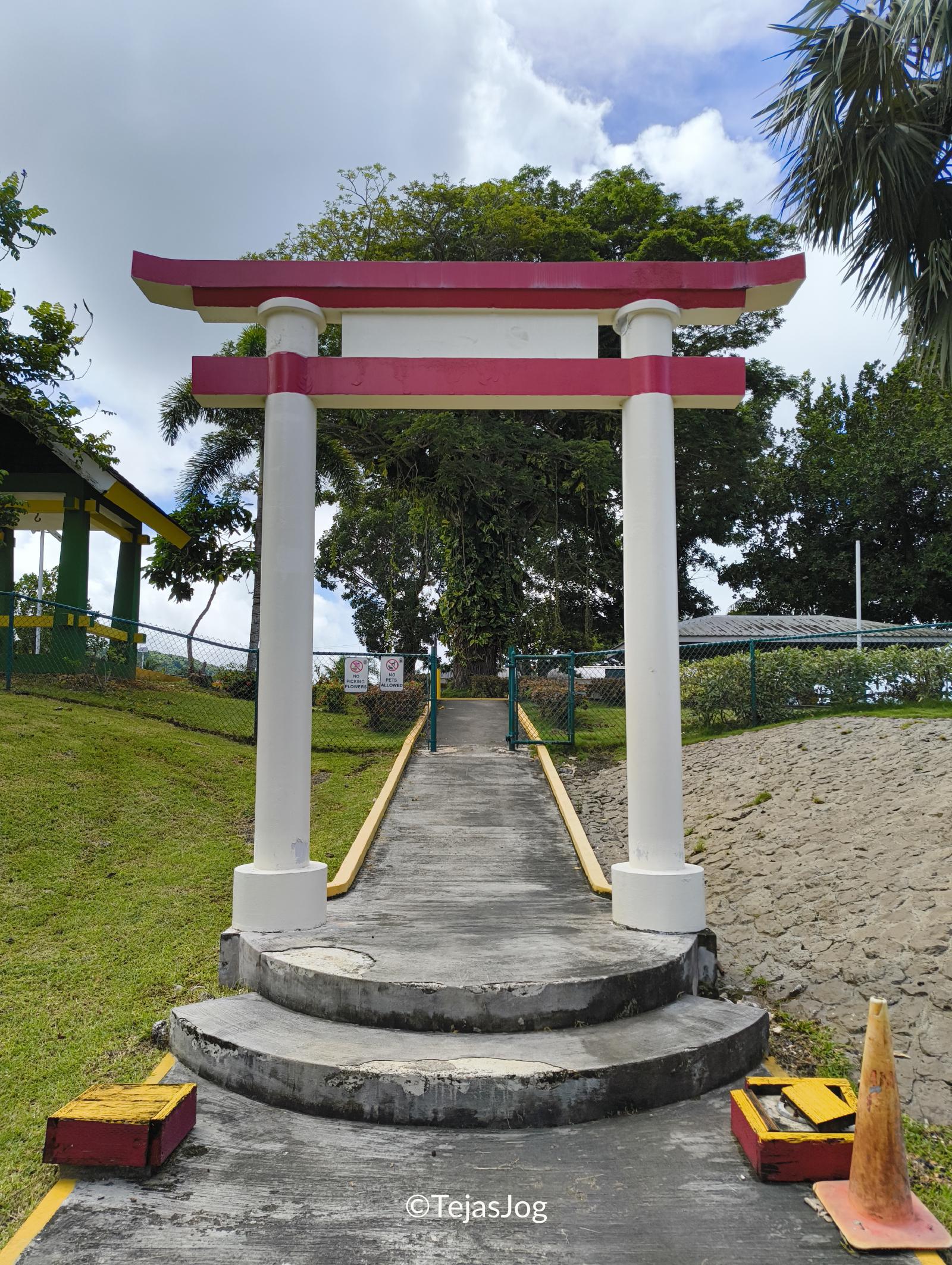
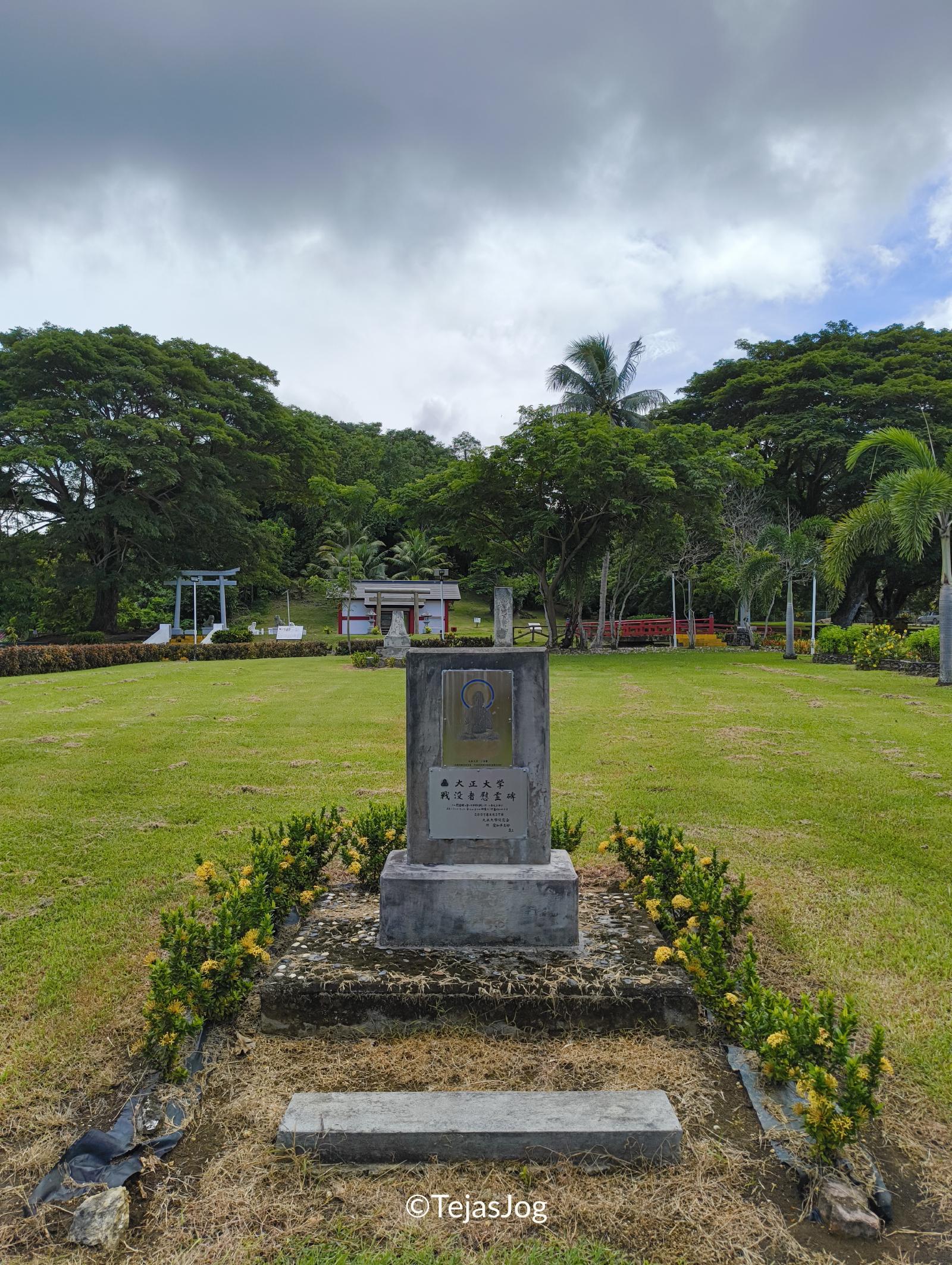
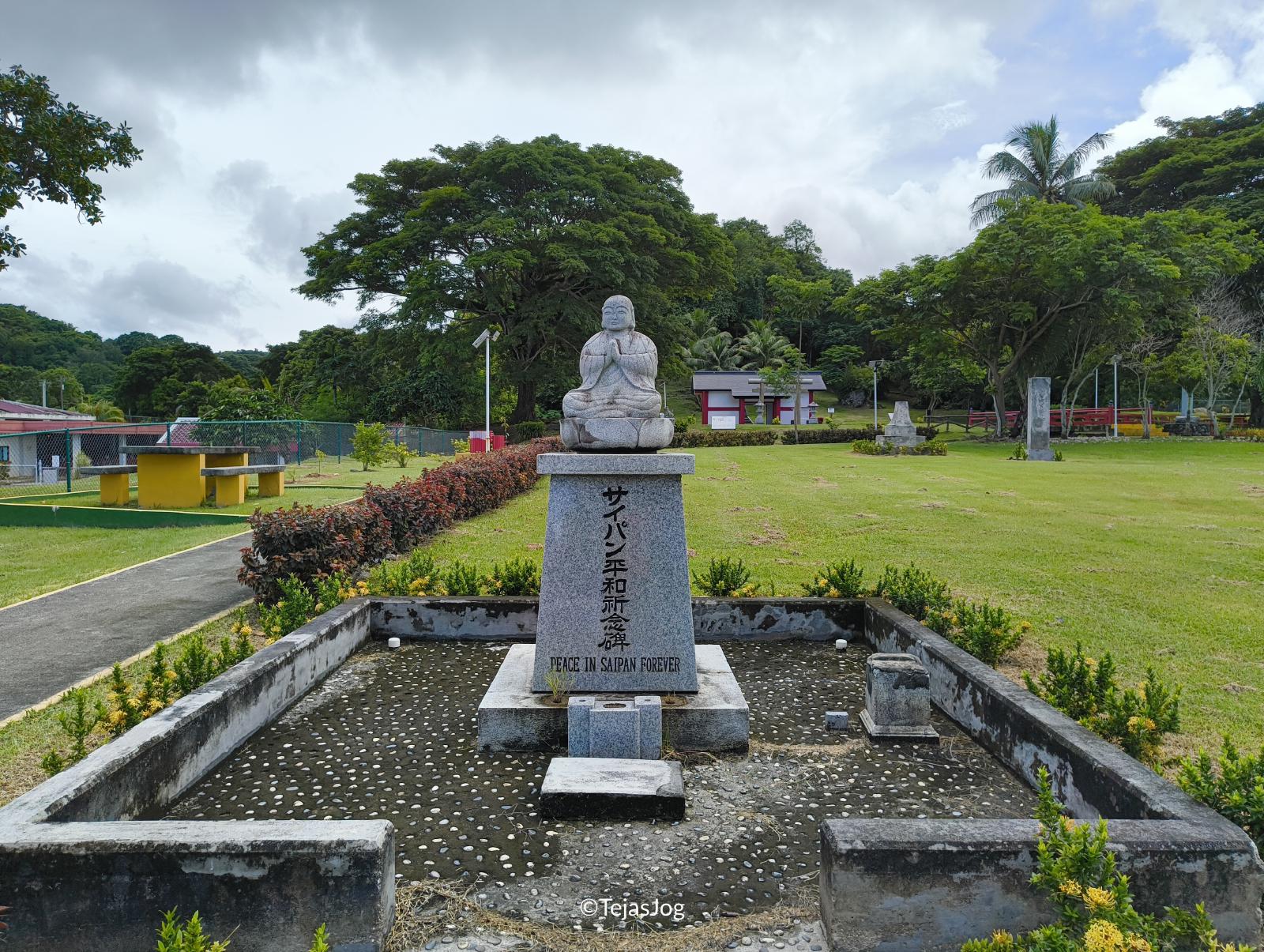
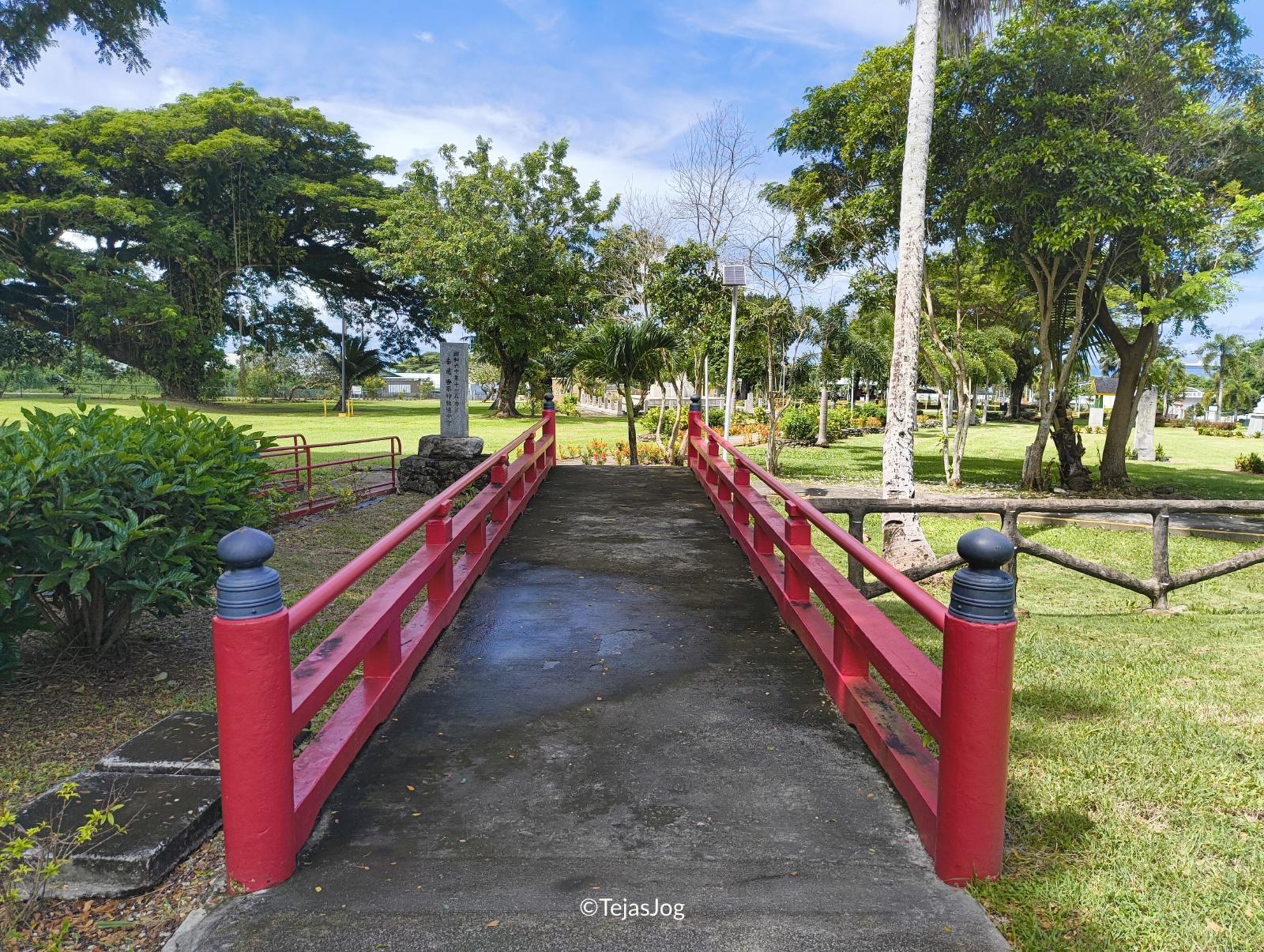
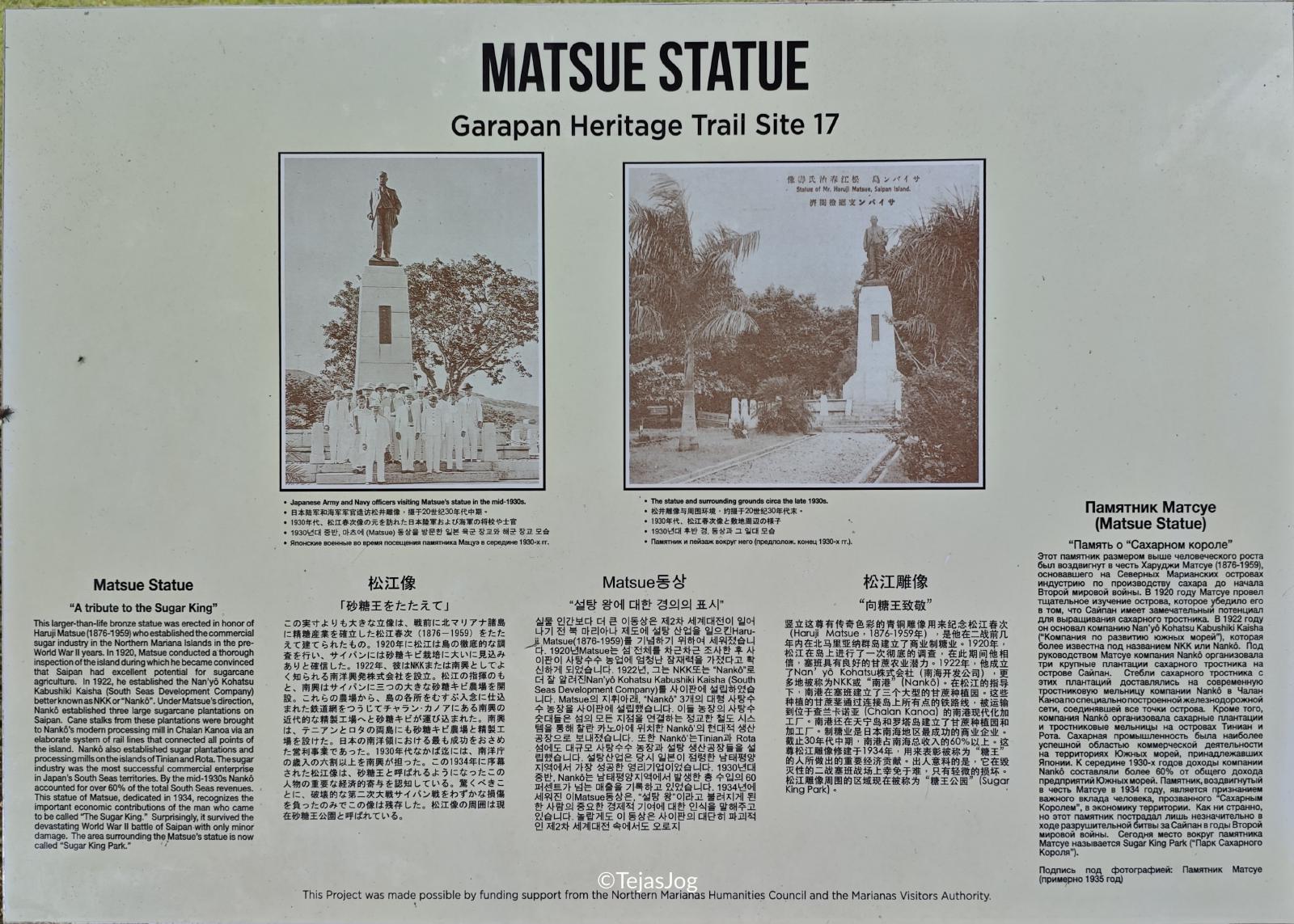
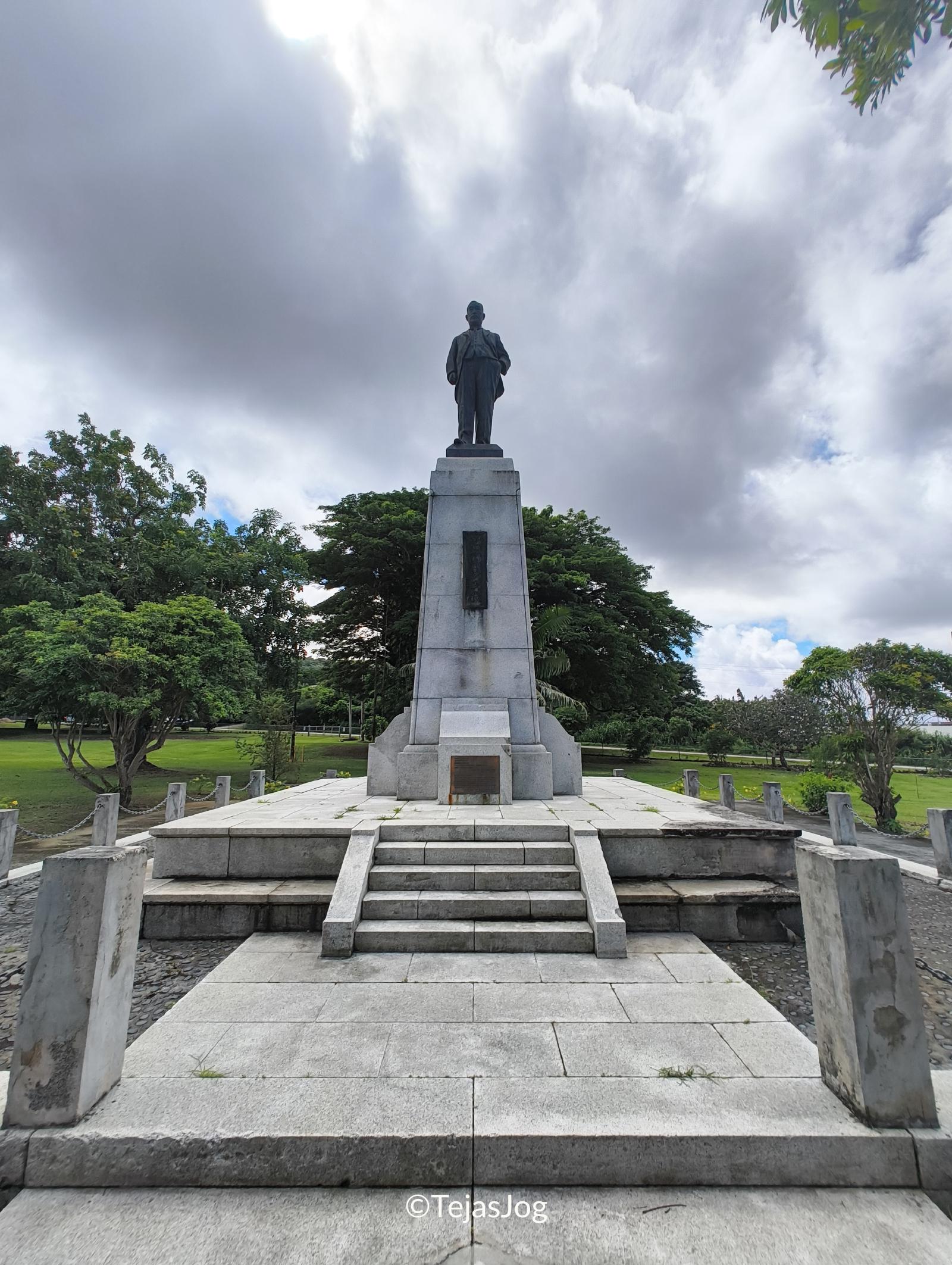
Next, we visited Sugar King Park, a historical and memorial park located in Garapan, Saipan, dedicated to the Japanese era of the Northern Mariana Islands and the man who revolutionized the local economy.
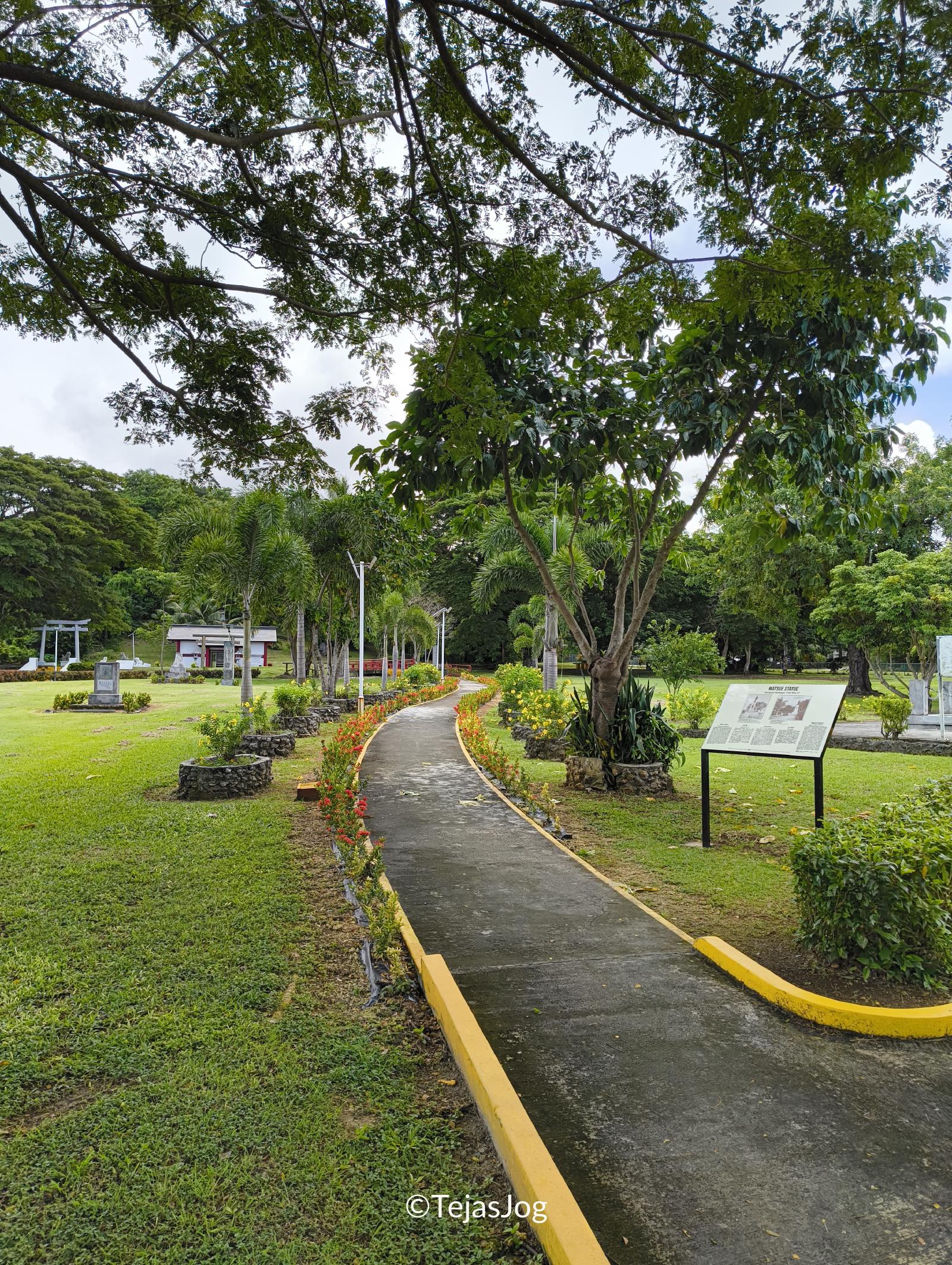
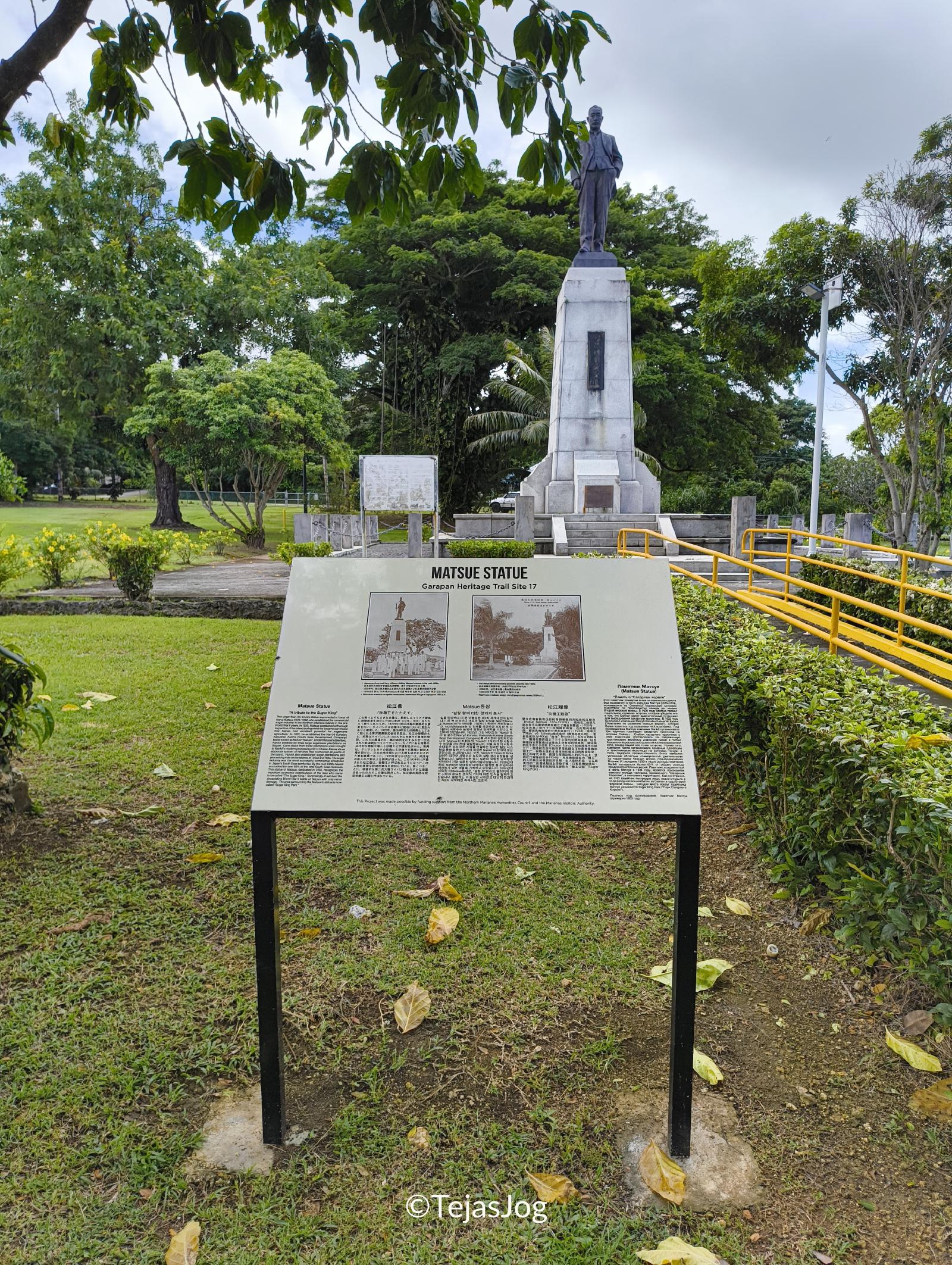
A bronze statue of Haruji Matsue was in the center of the park. Matsue is credited with successfully establishing the sugar cane industry in the Marianas during the 1920s and 1930s, which became the backbone of the island’s economy before WWII.
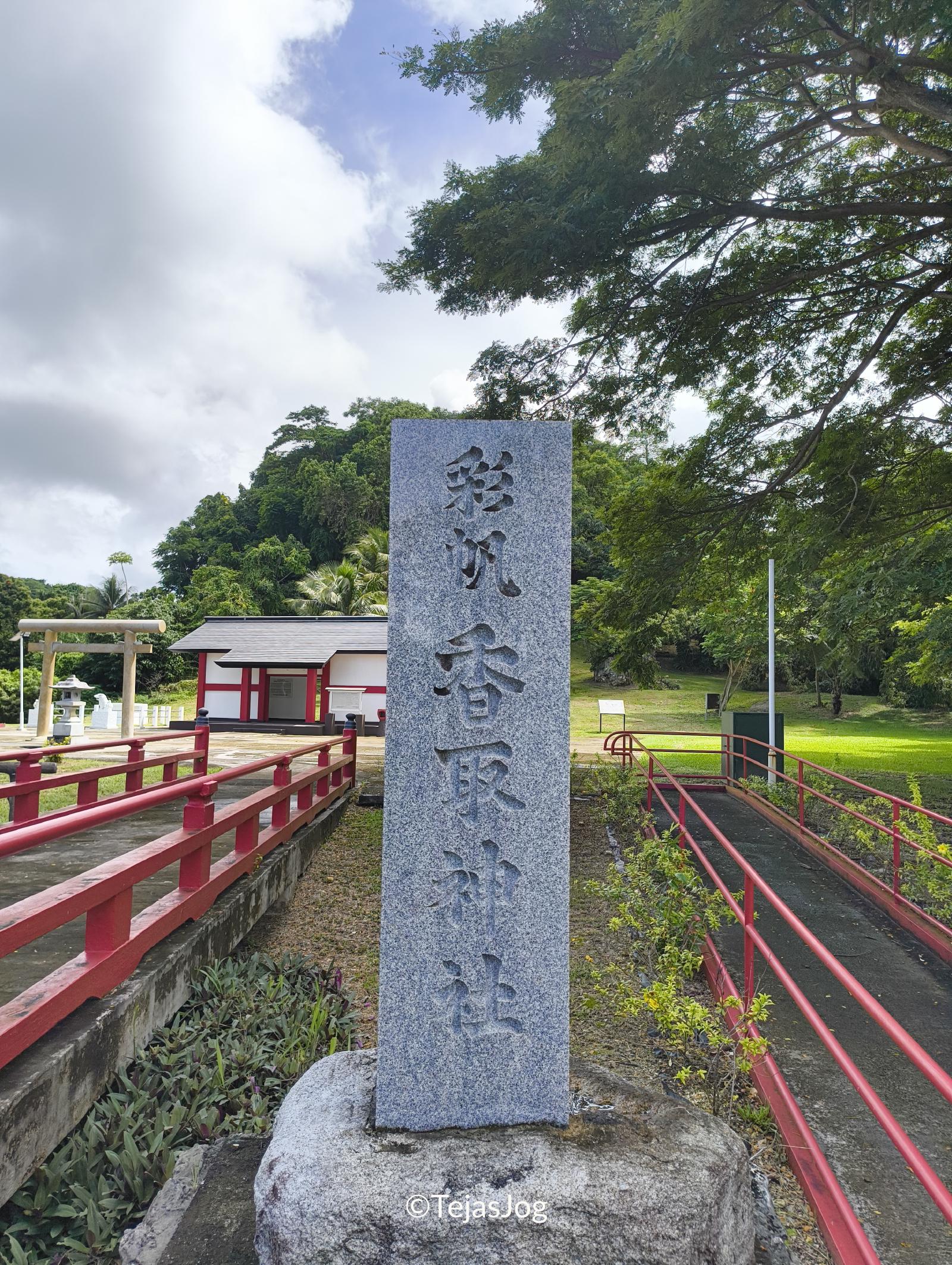
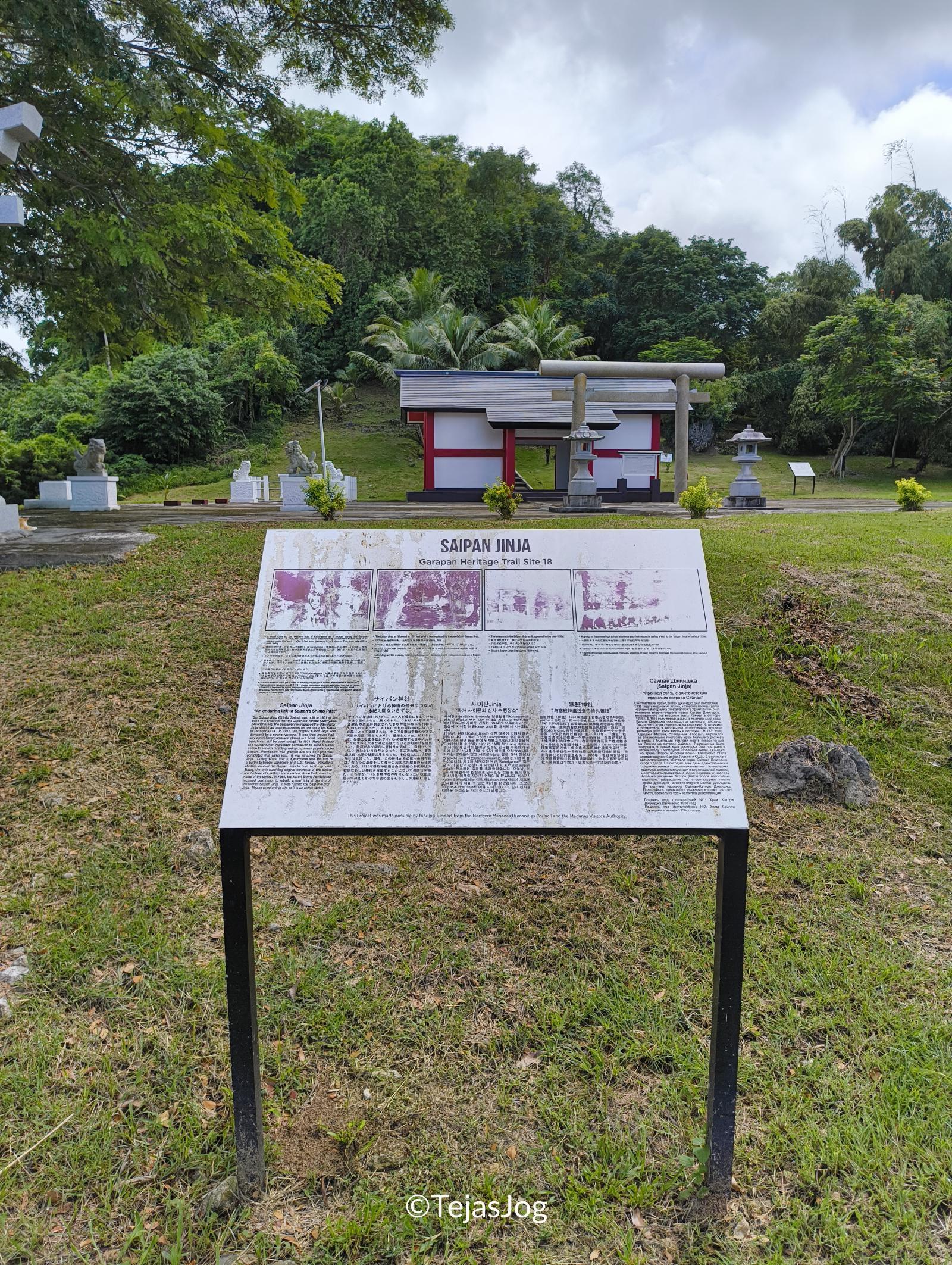
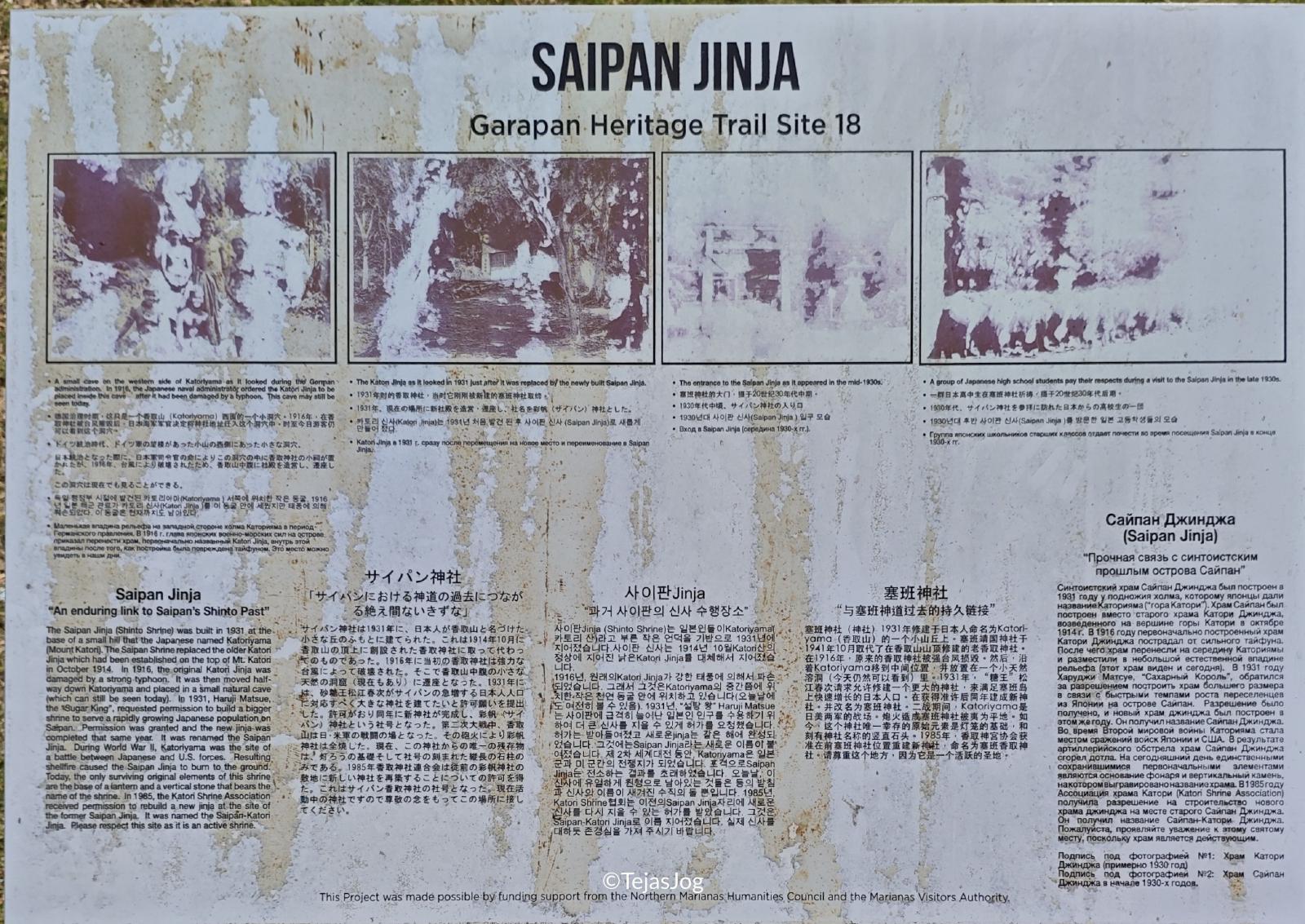
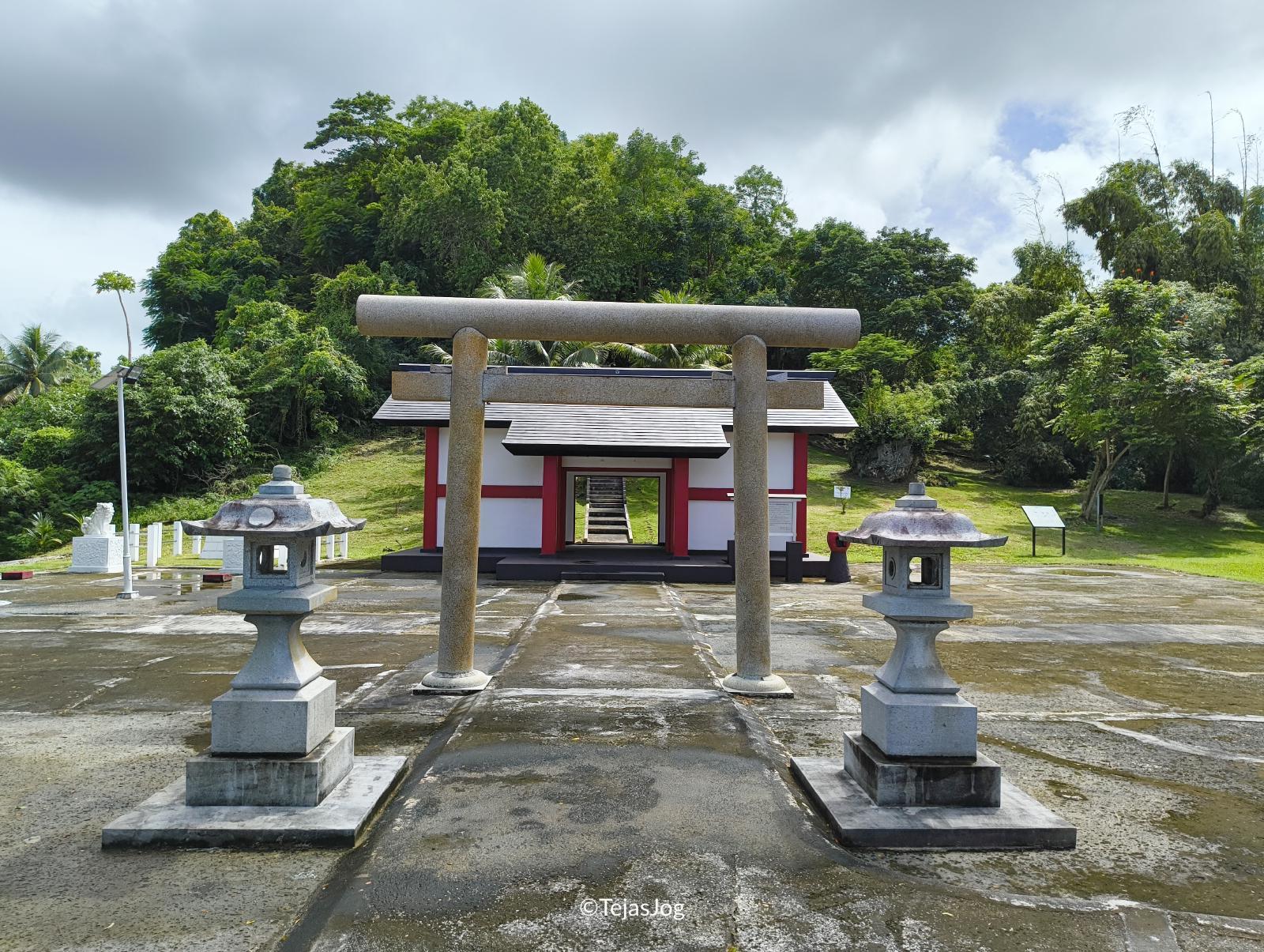
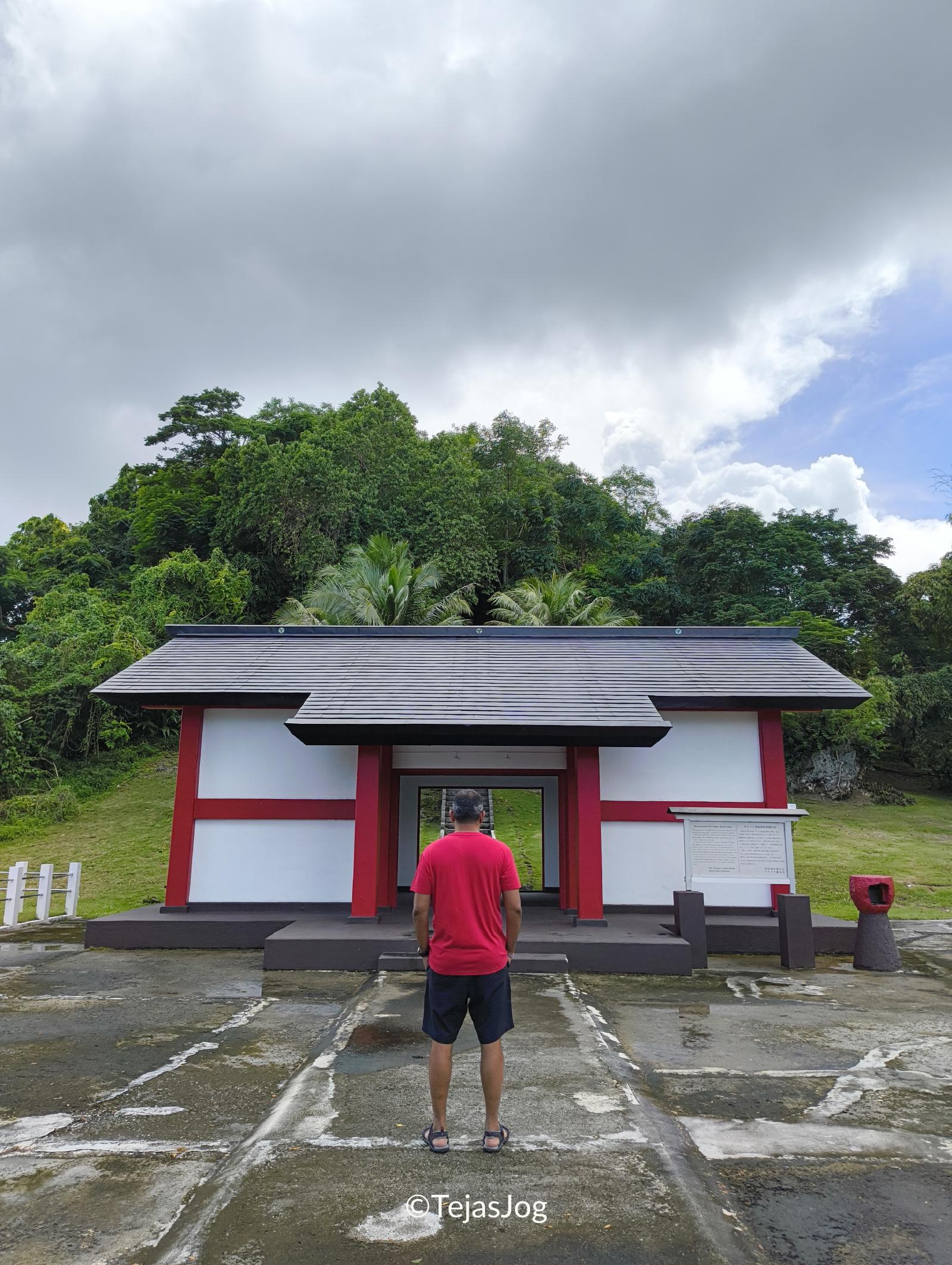
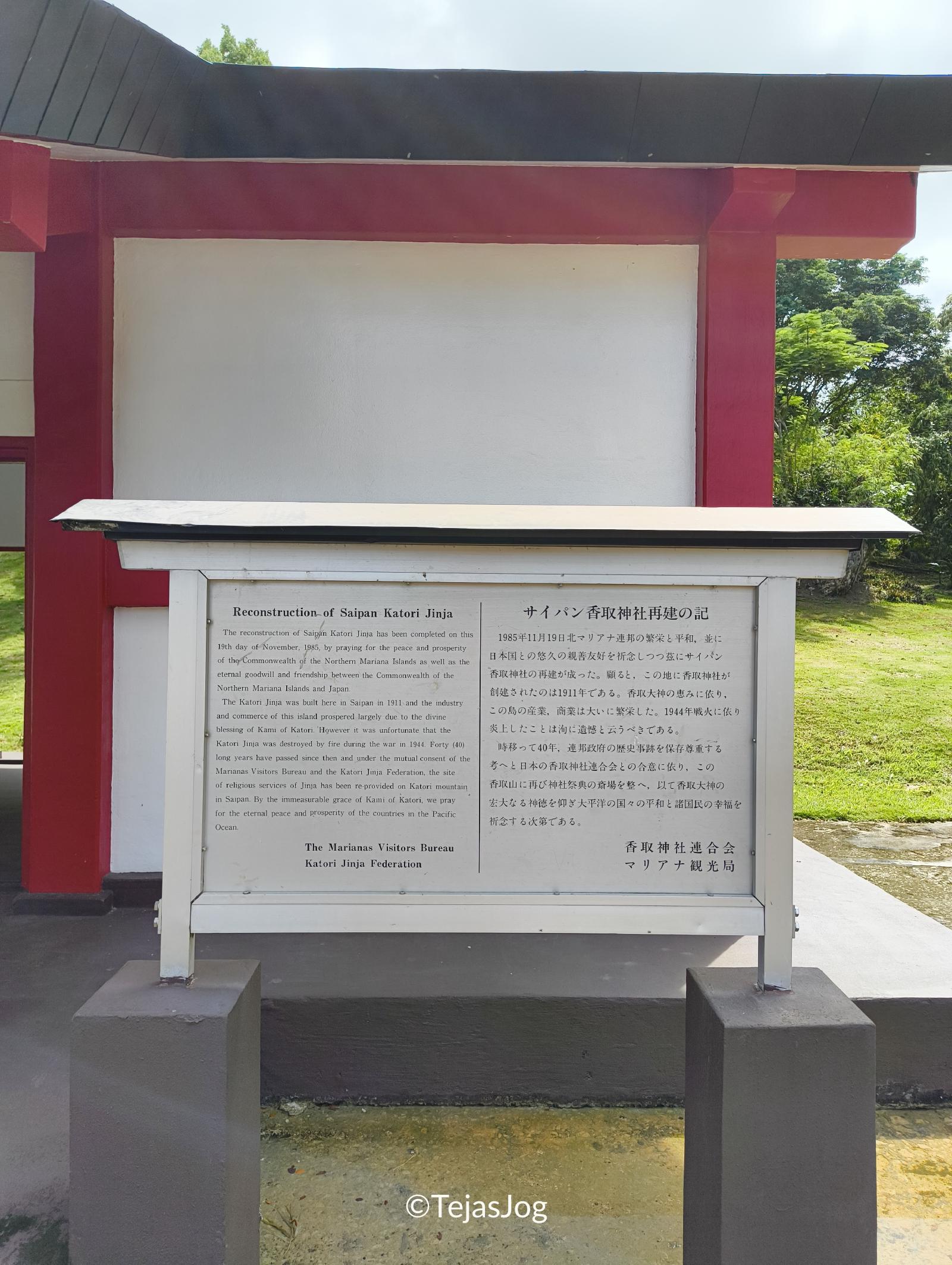
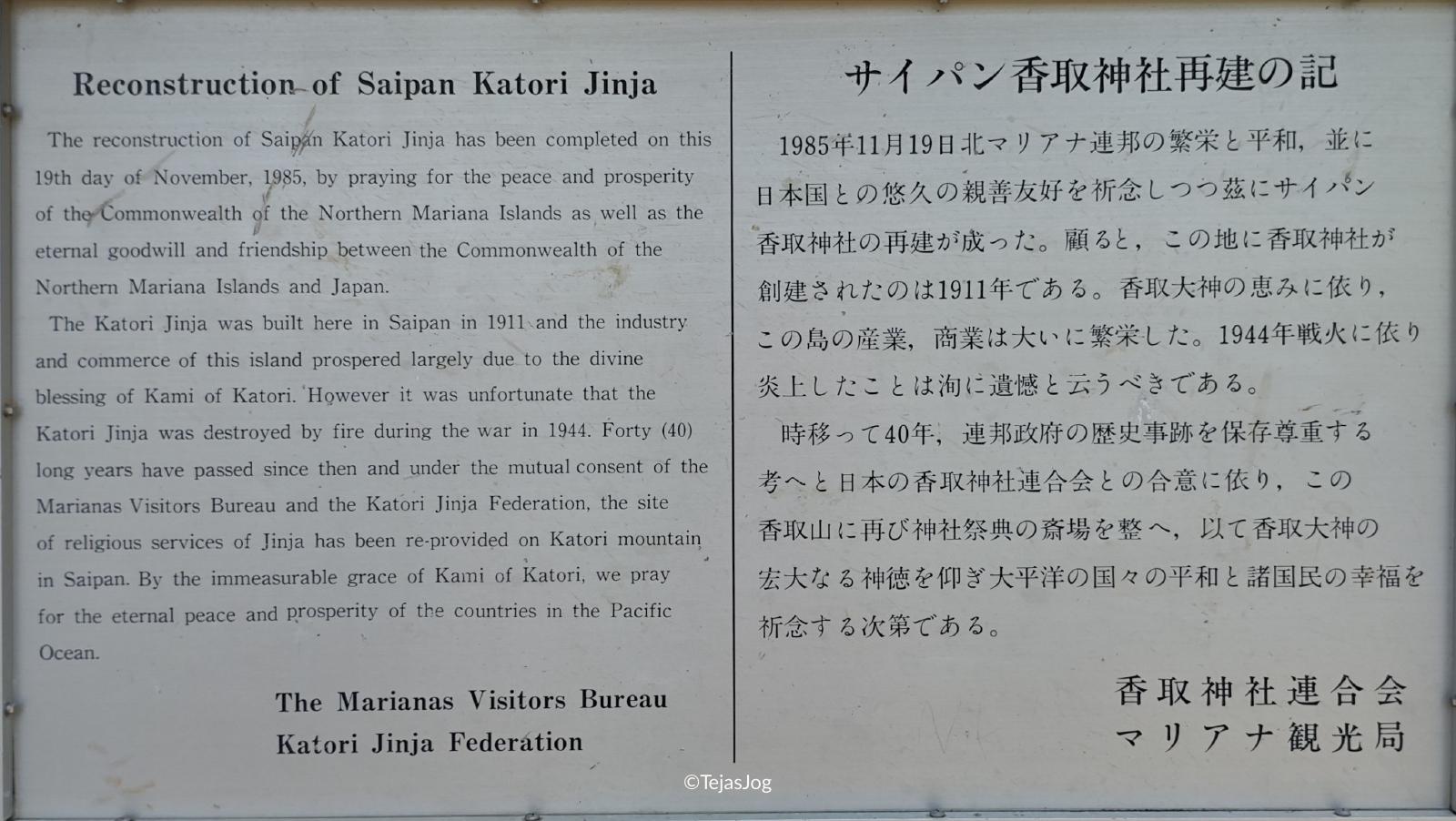
The Saipan Katori Shrine, a traditional Japanese Shinto shrine, was located within the park grounds as well. It features a classic Torii gate and is still used for cultural ceremonies.
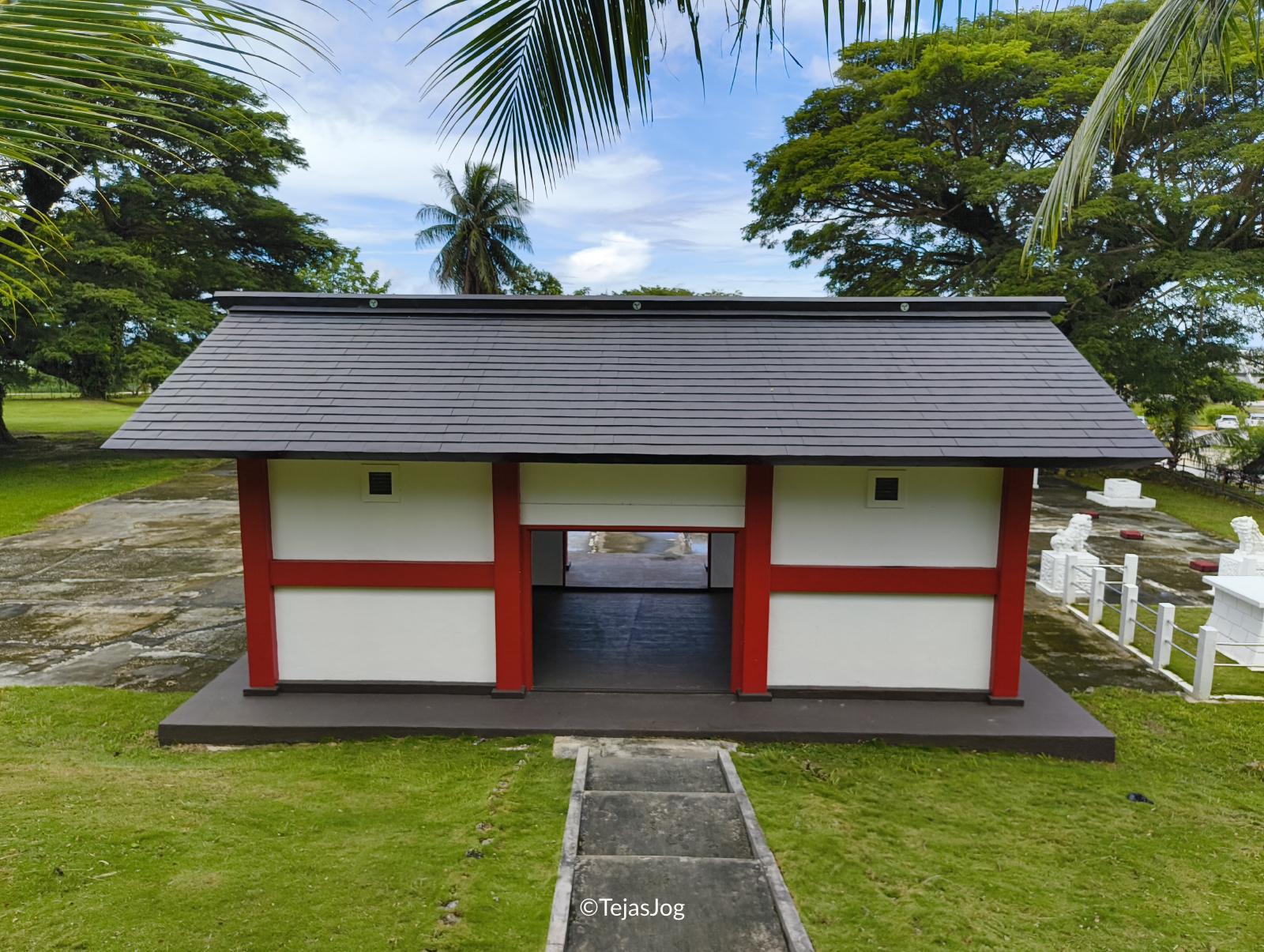
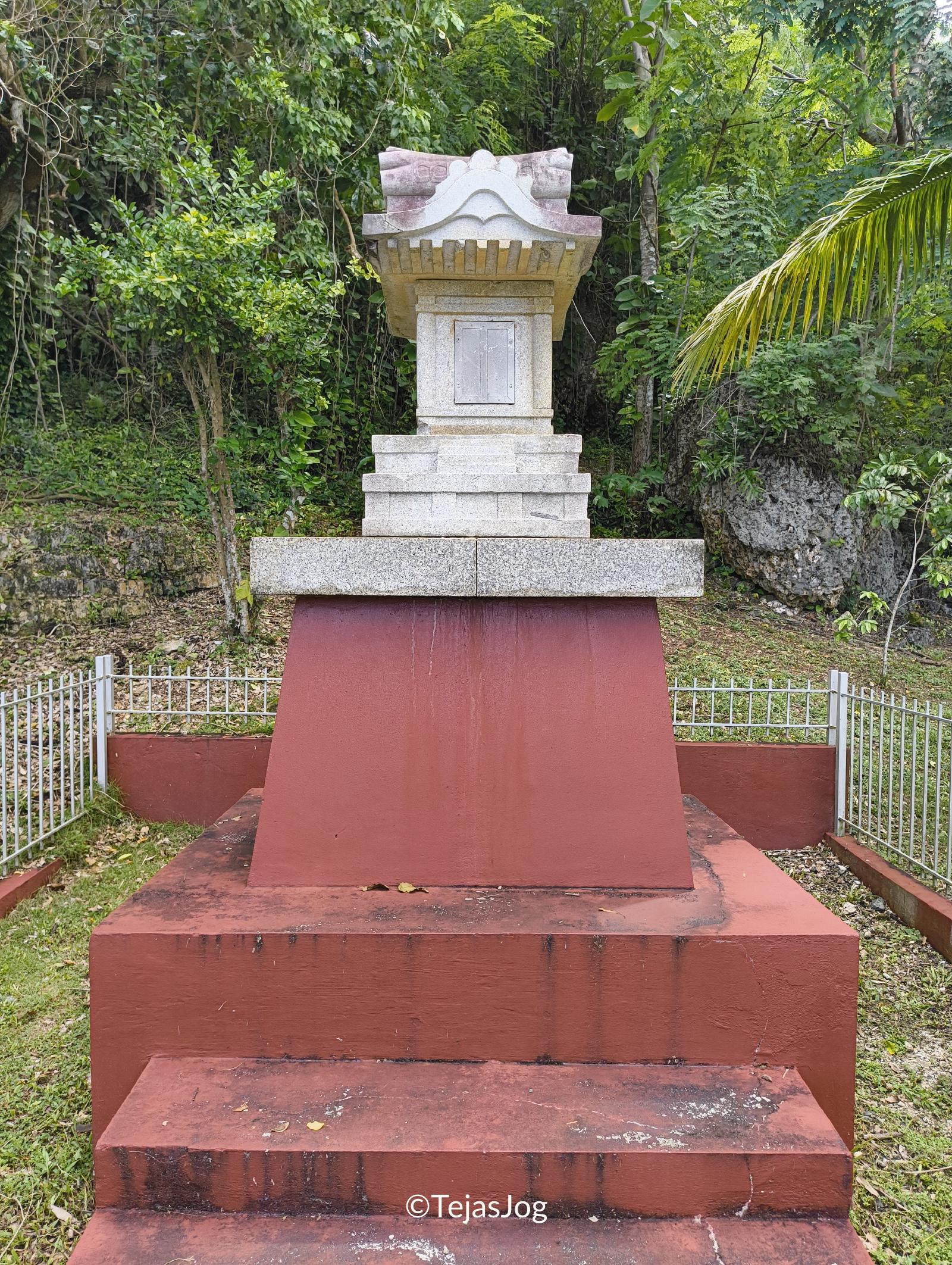
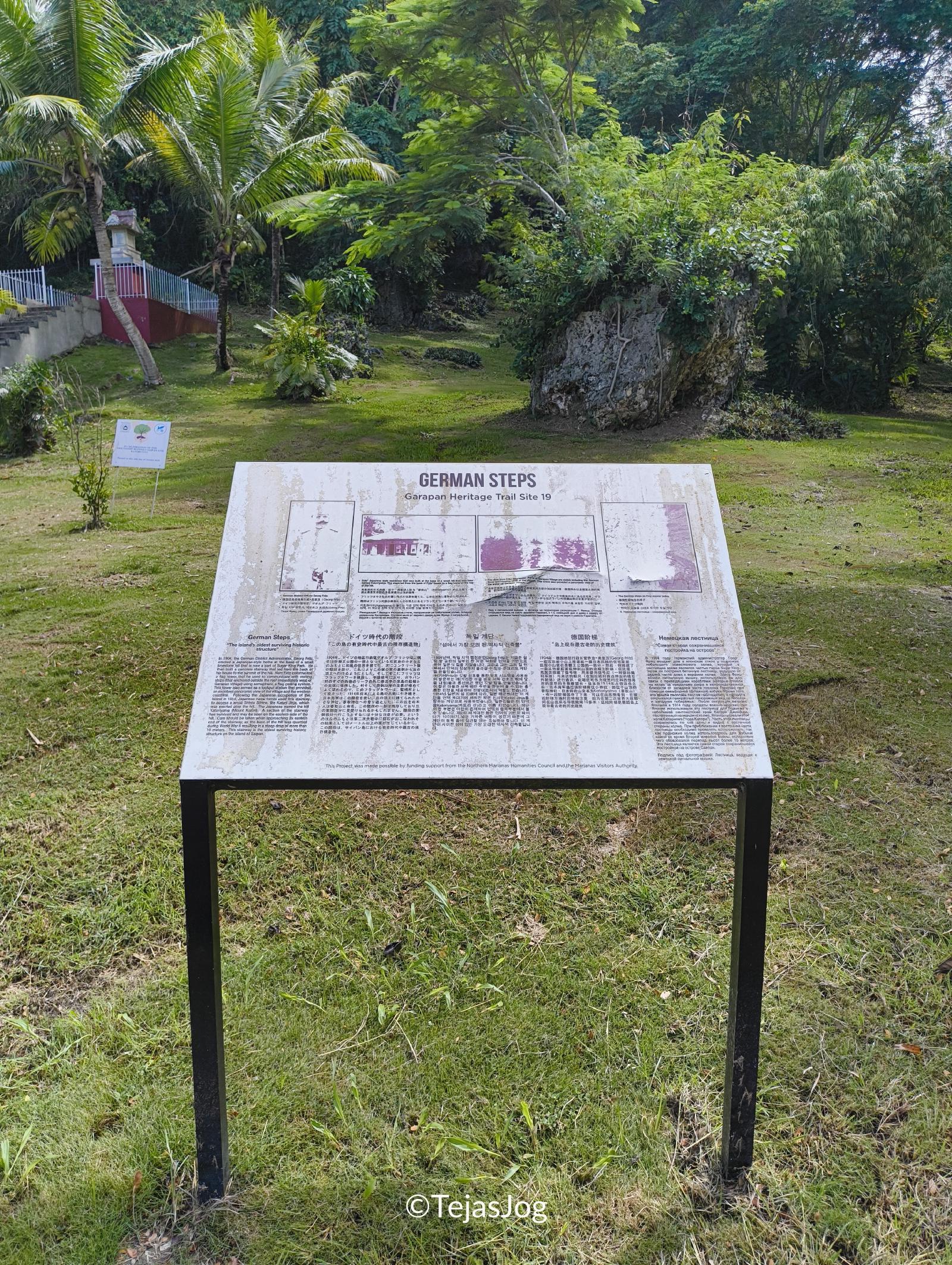
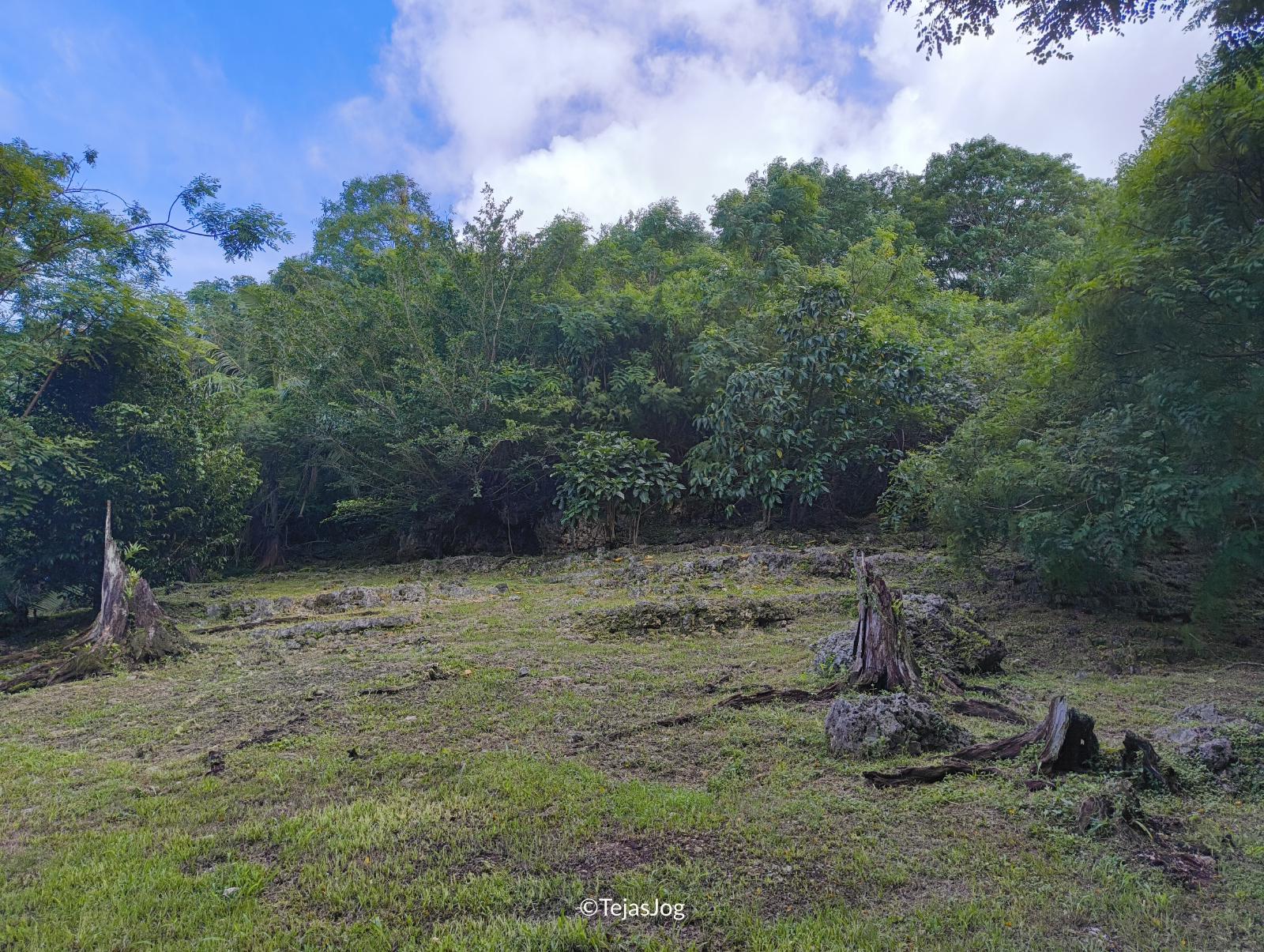
The German Steps, also known as the Deutsche Treppe, were just behind the park on the lower slopes of Navy Hill.
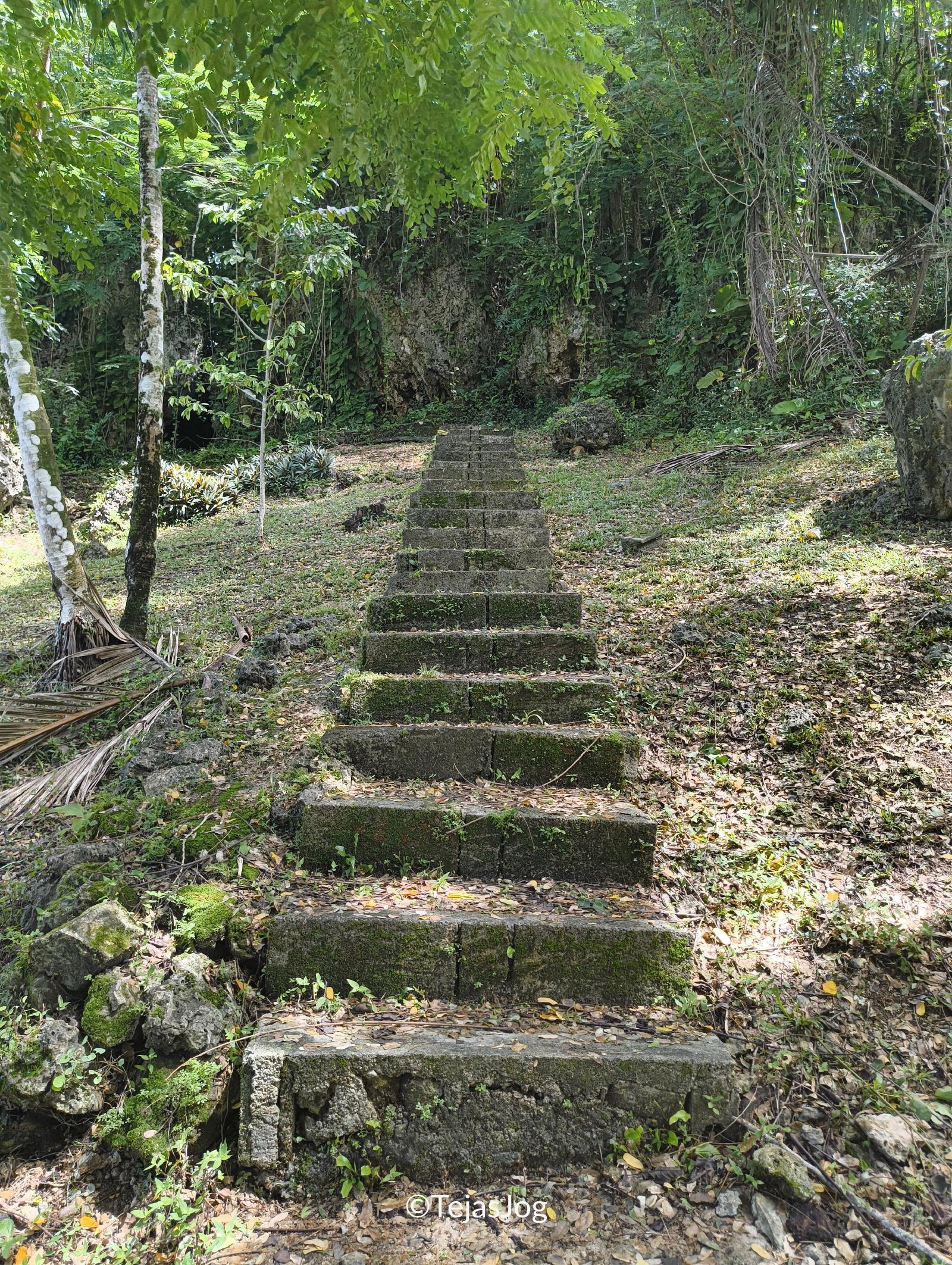
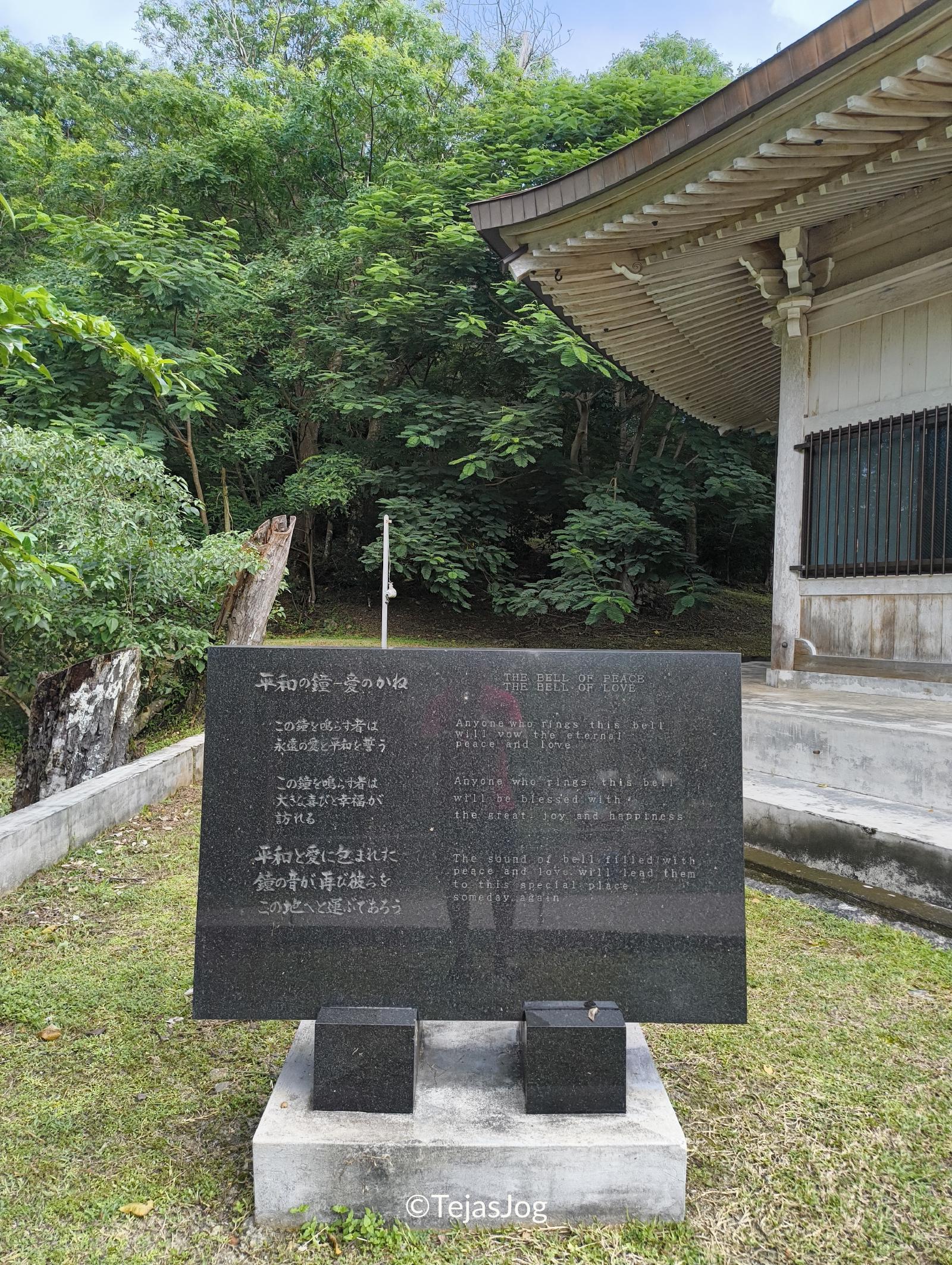
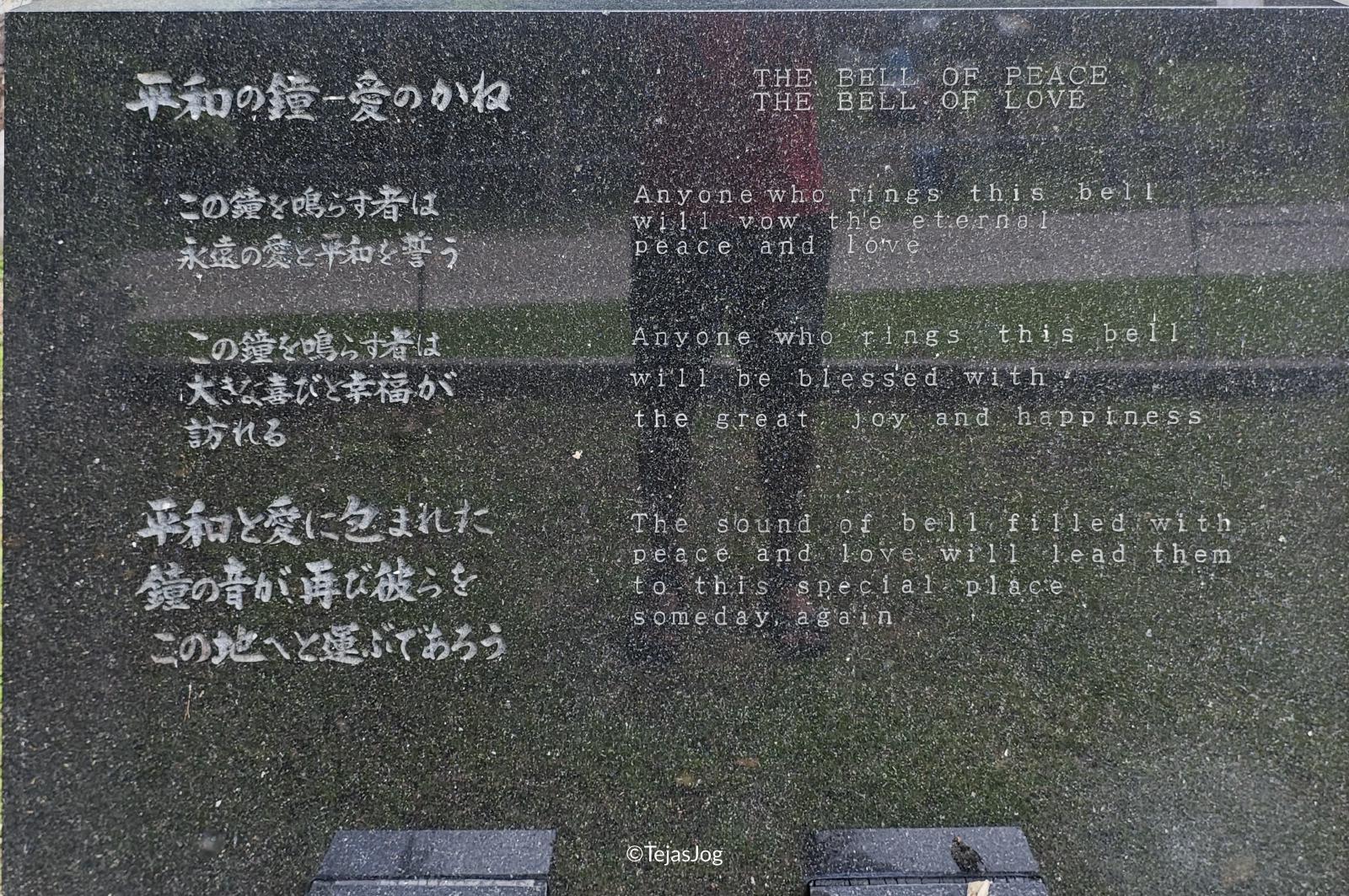
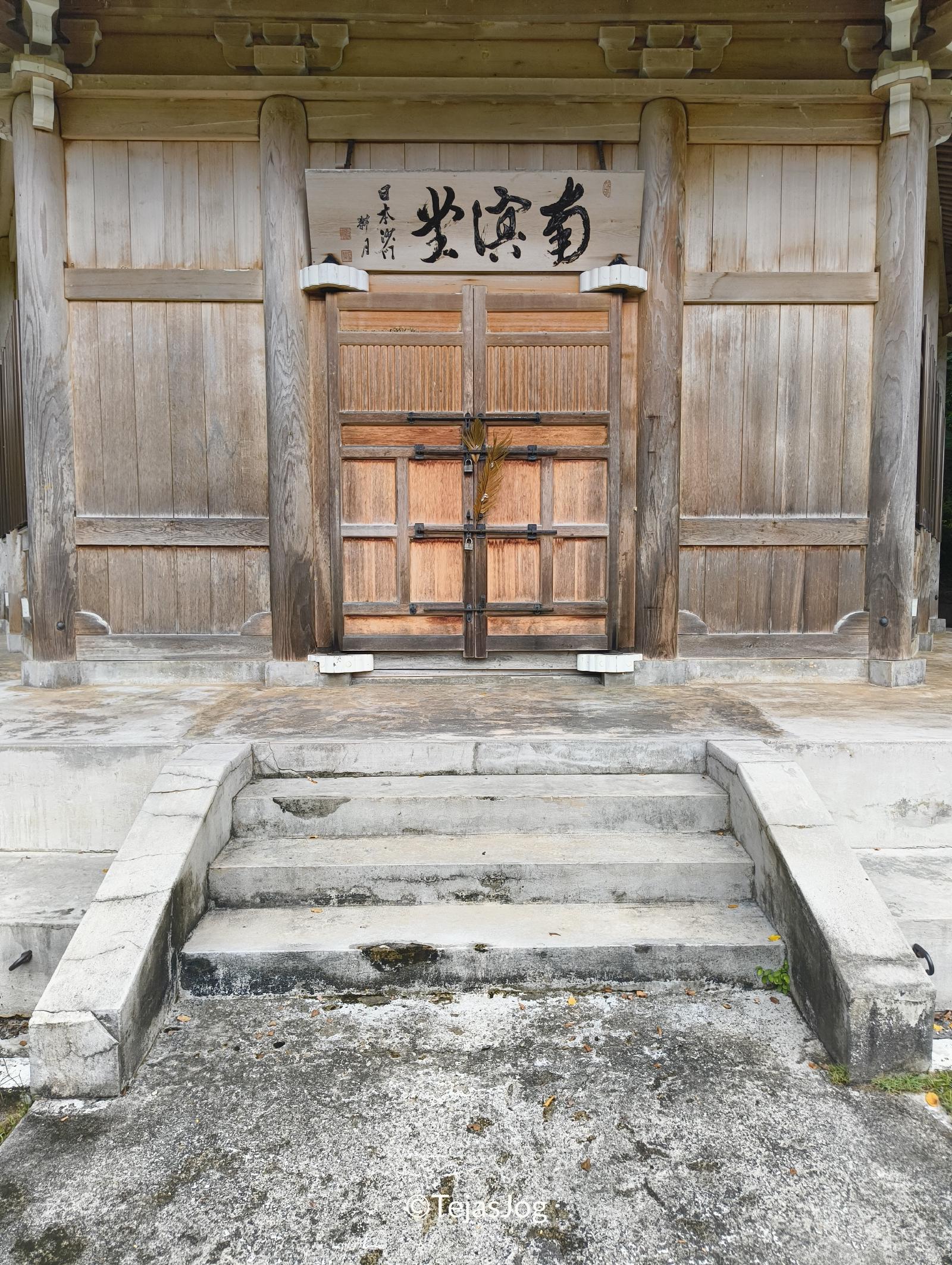
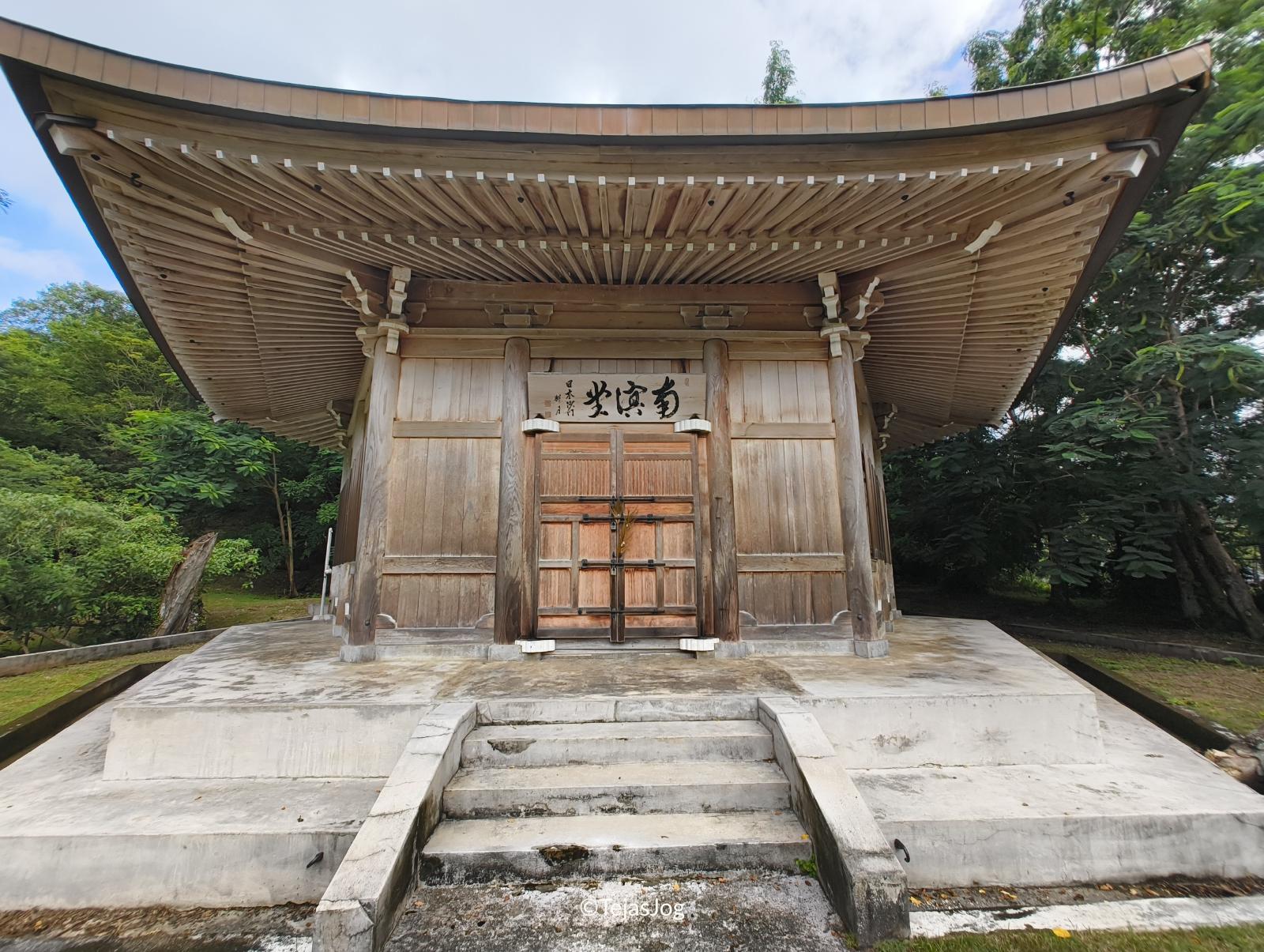
Saipan International House of Prayer, Nanmeido, was a multi-faith memorial for the souls of Japanese, American, and Chamorro/Carolinian people who died on the island.
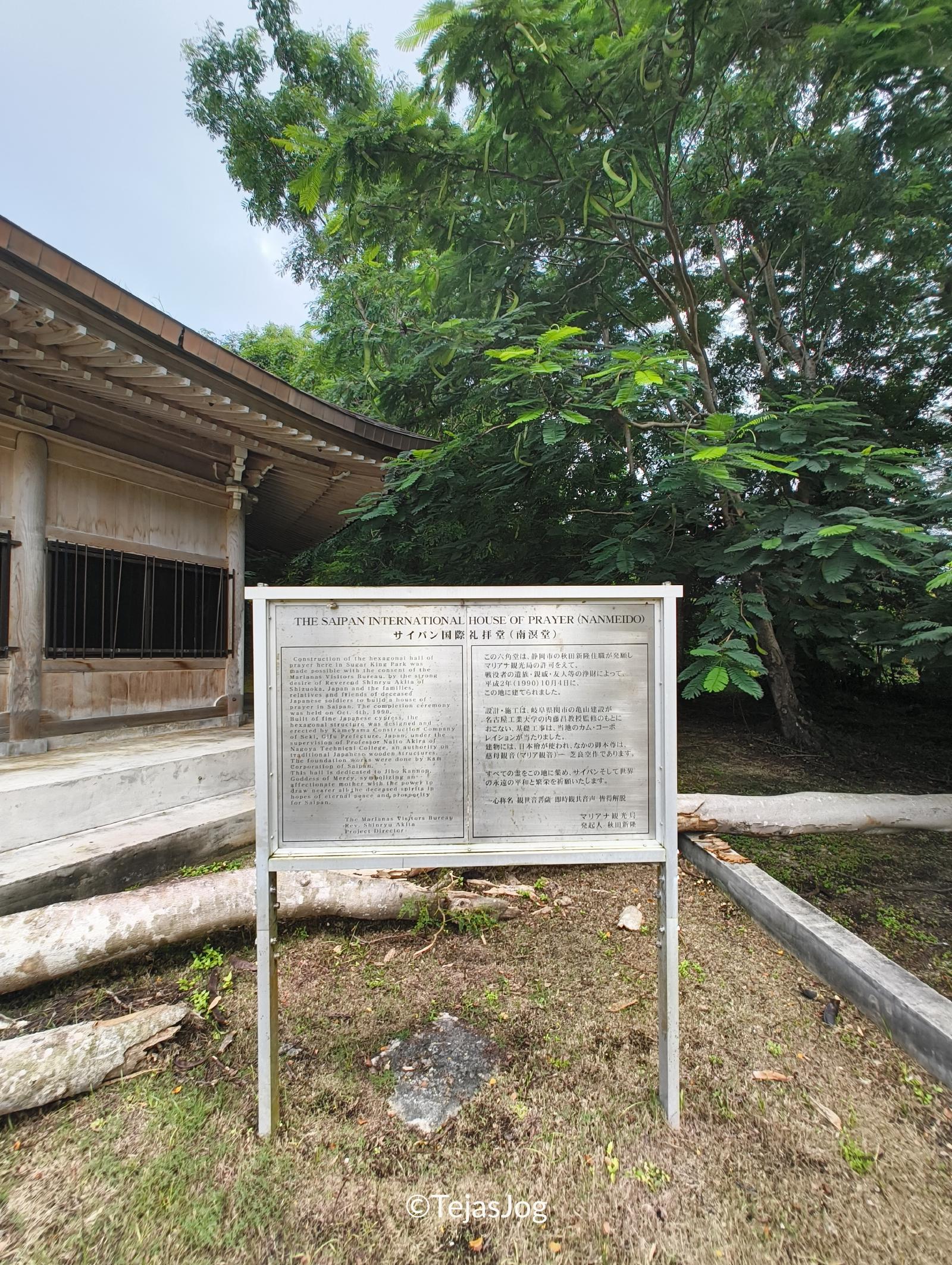
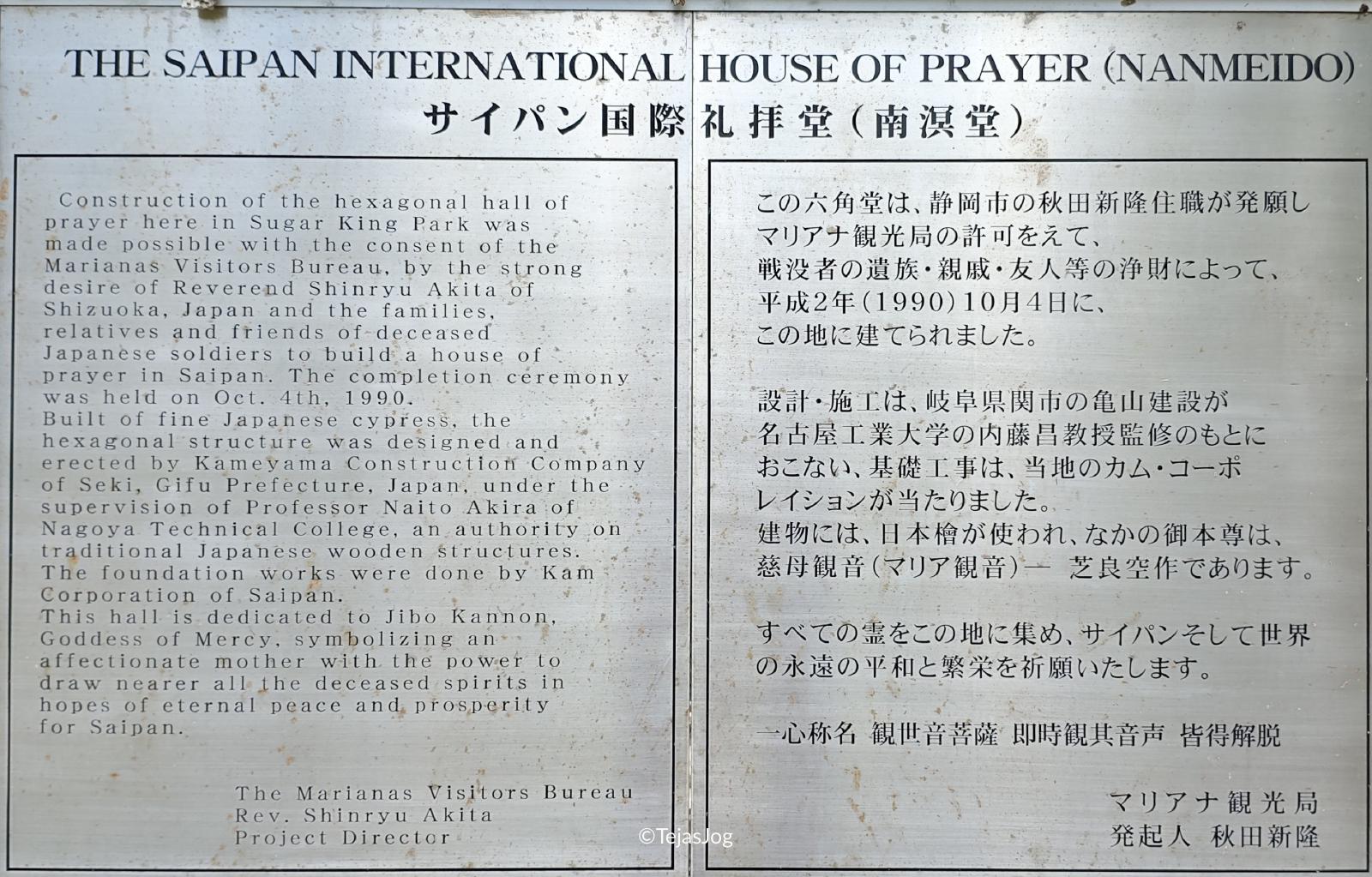
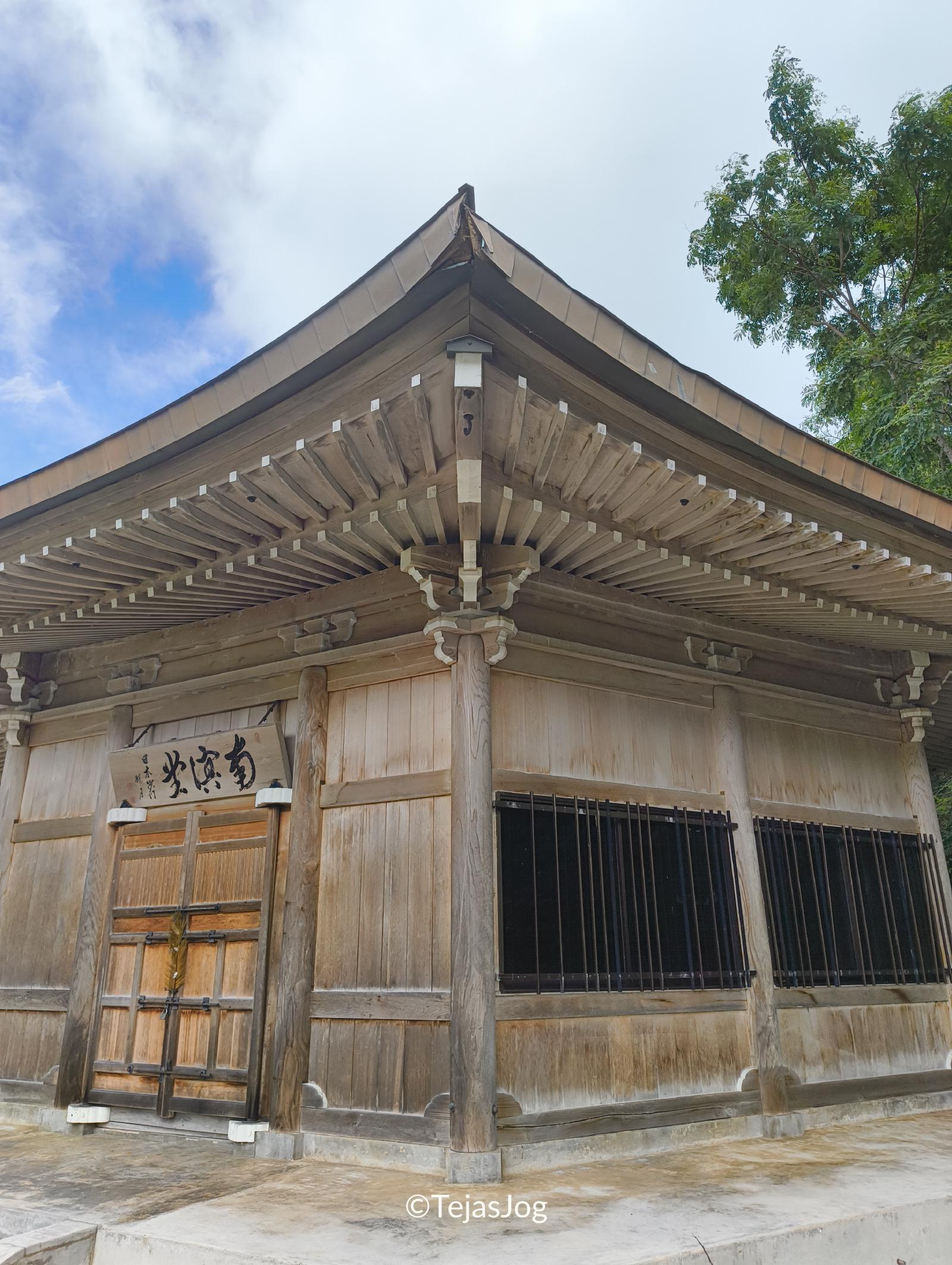
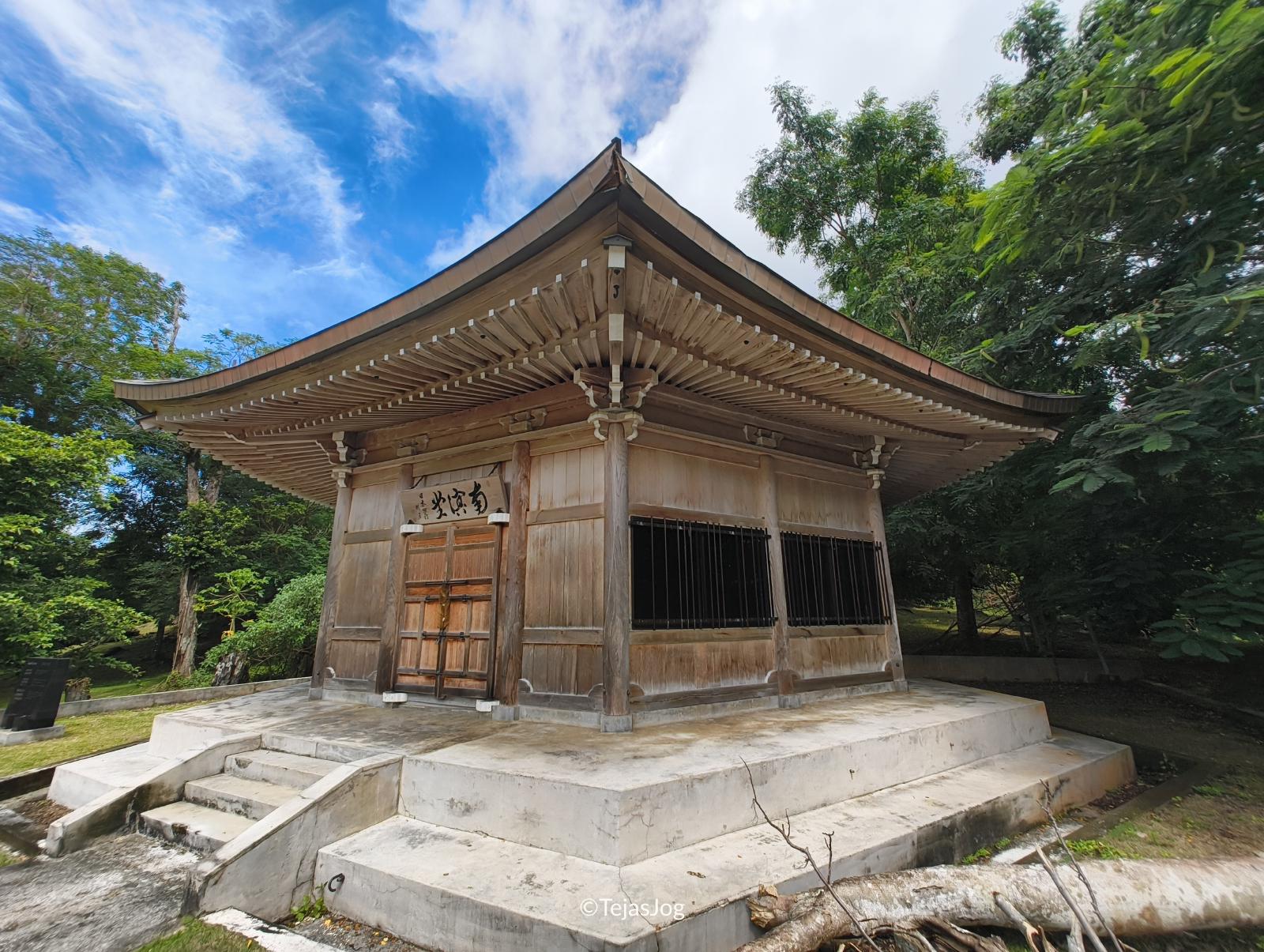
It is famous for its two monumental bells—the Bell of Peace and the Bell of Love—which serve as symbols of reconciliation and remembrance for those who perished during the Battle of Saipan.
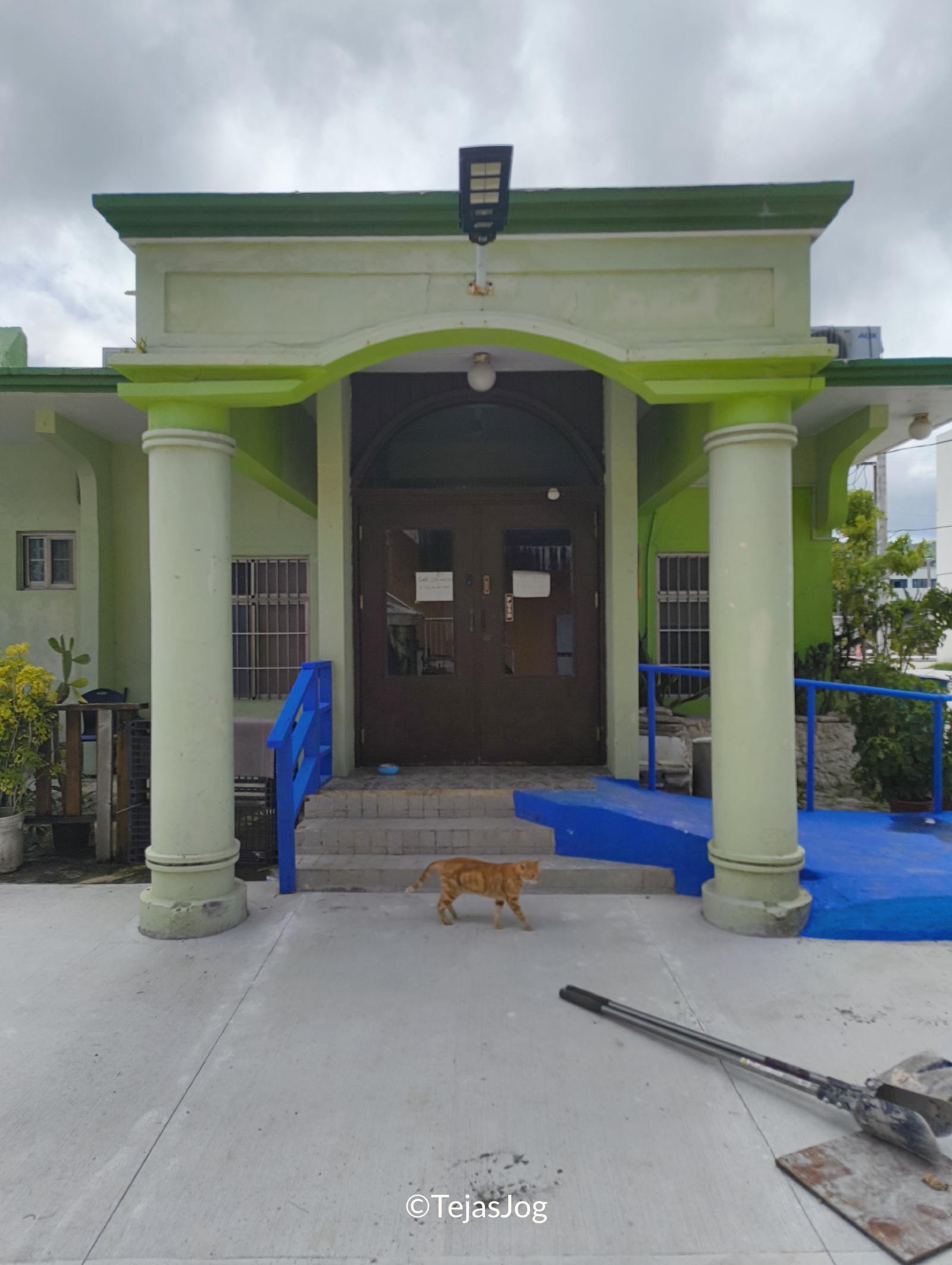
We then drove to the G.T. Guest House where we would be staying for two nights. There was street parking around the property. The place was neat and cozy.
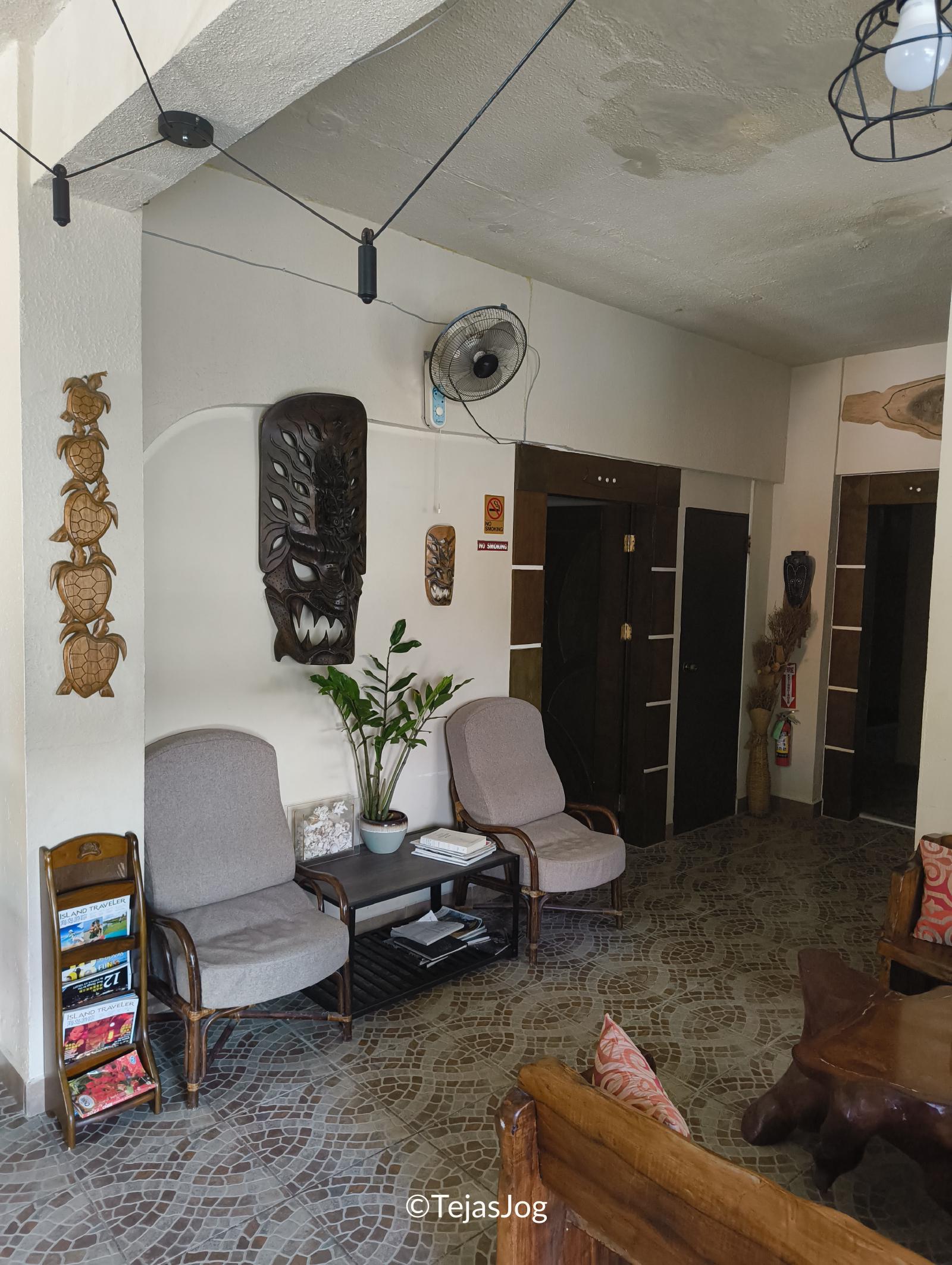
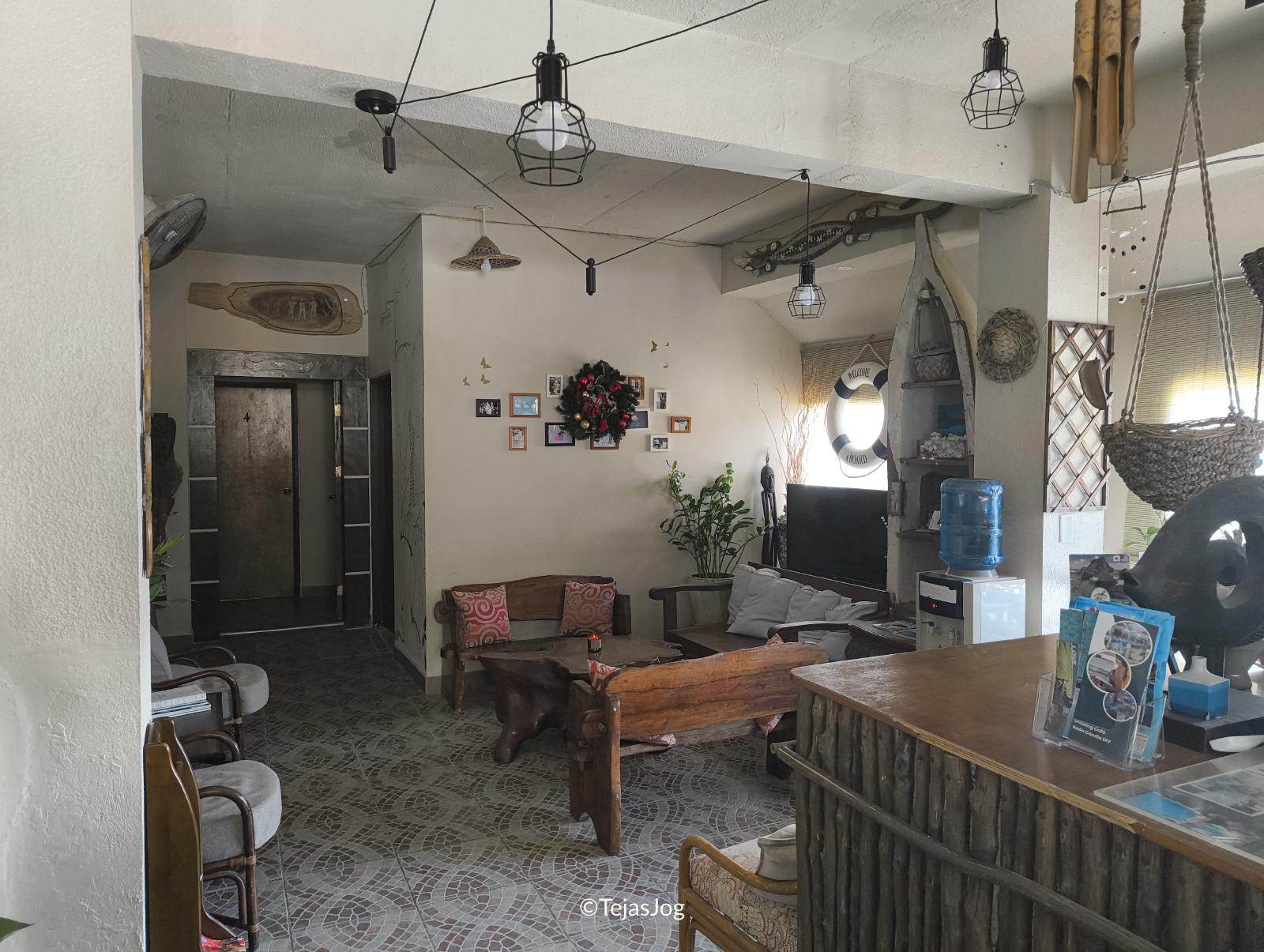
Our room was spacious and comfortable, and the bathroom was large and clean.
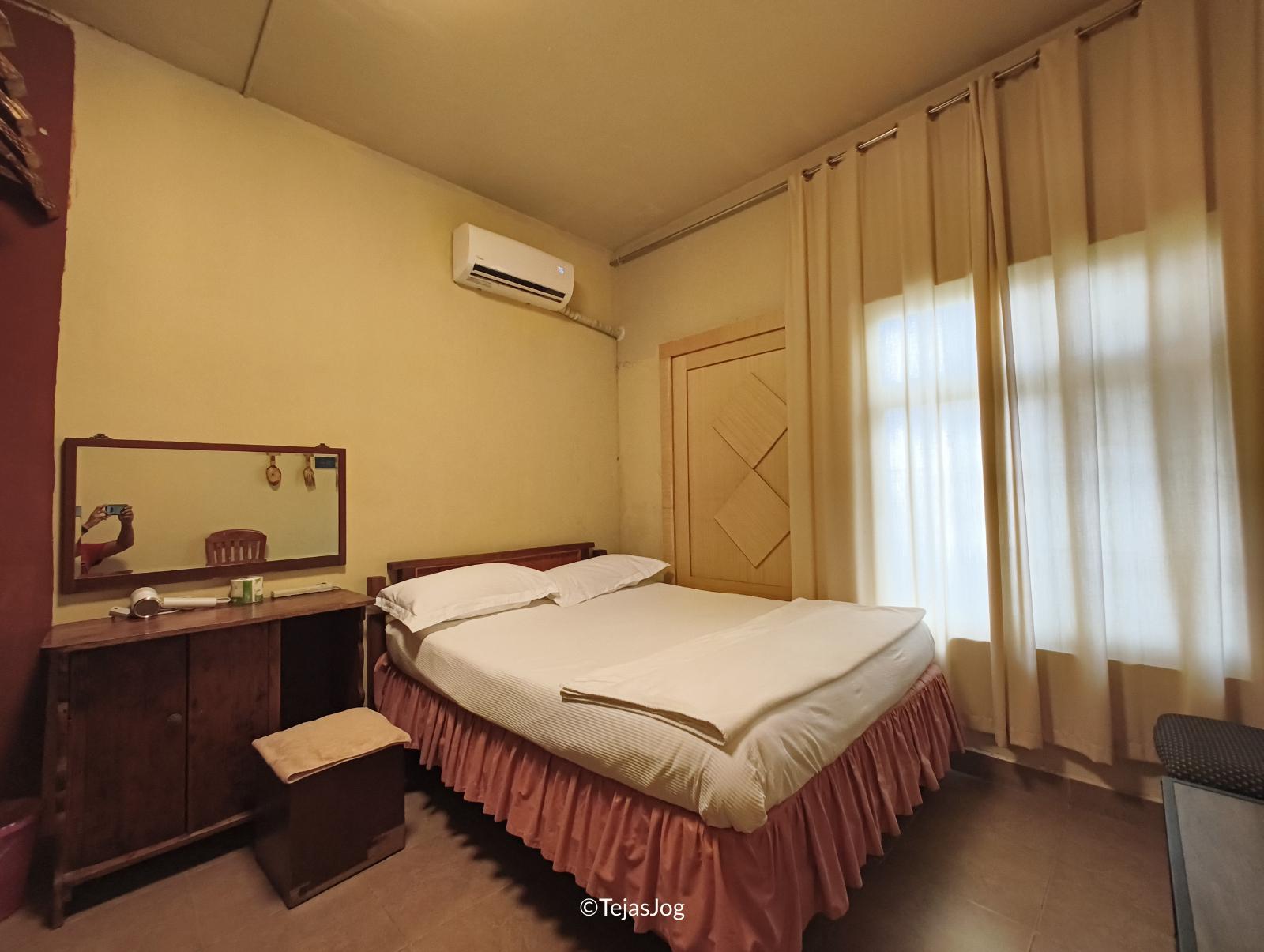
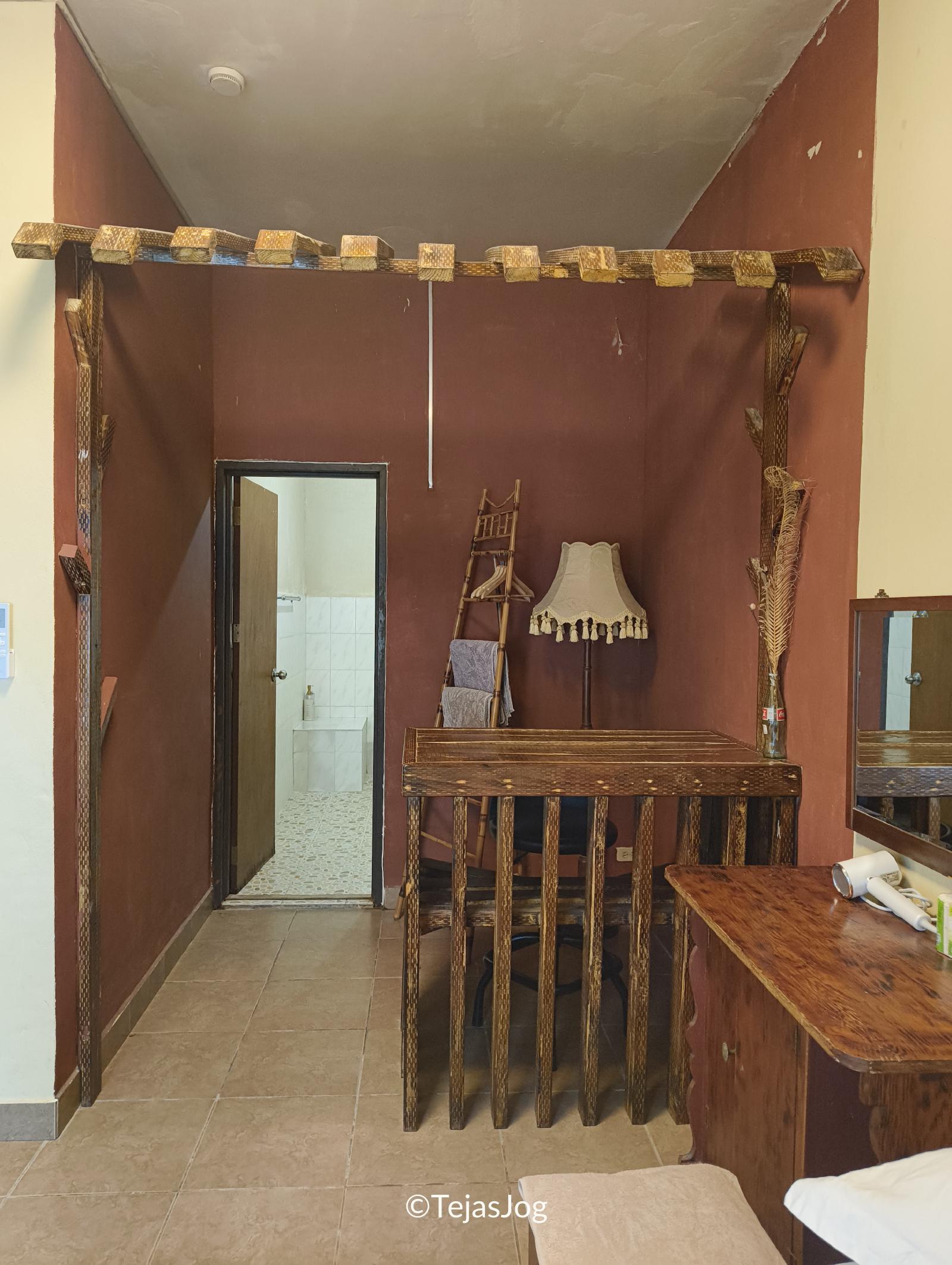
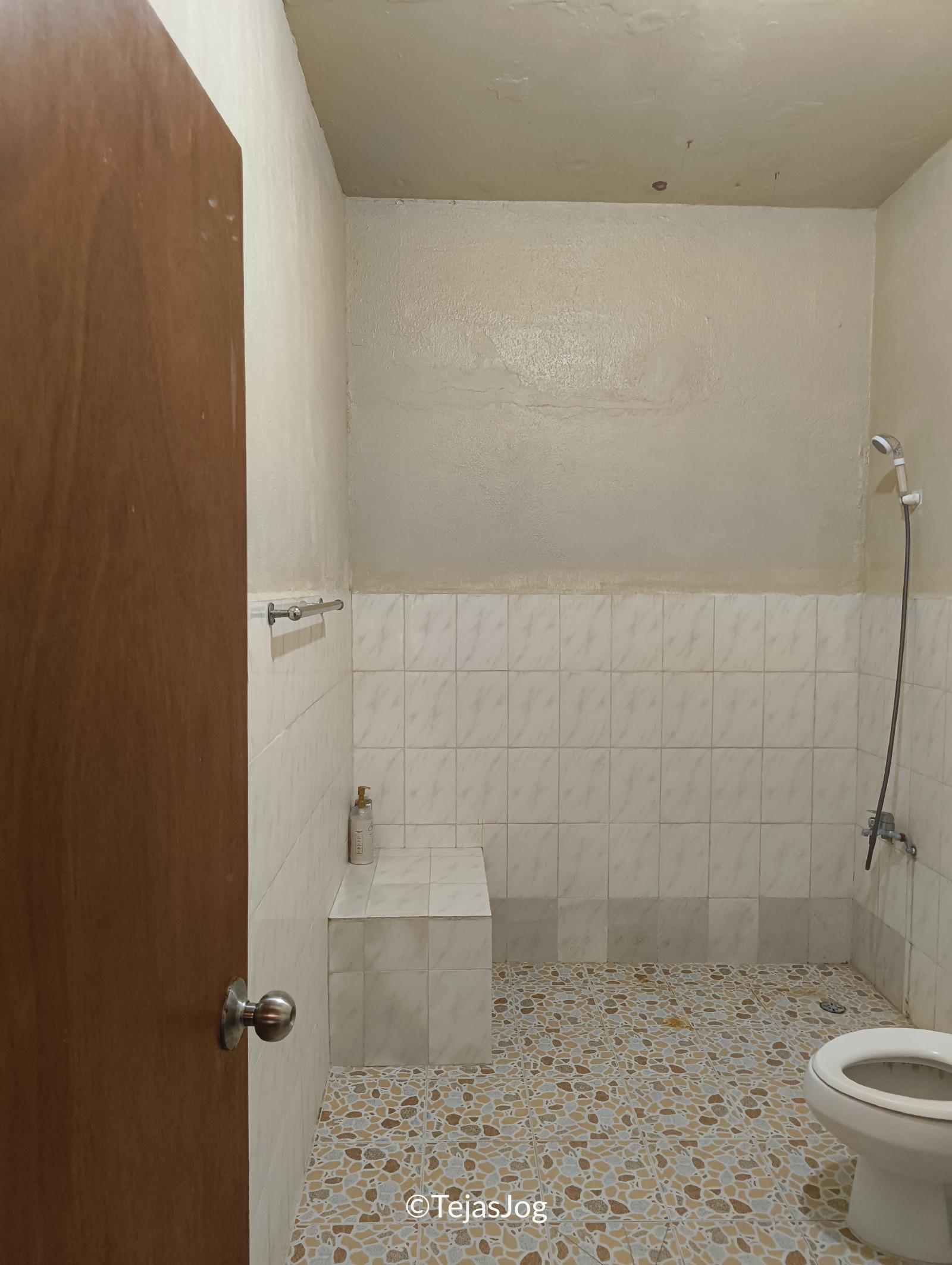
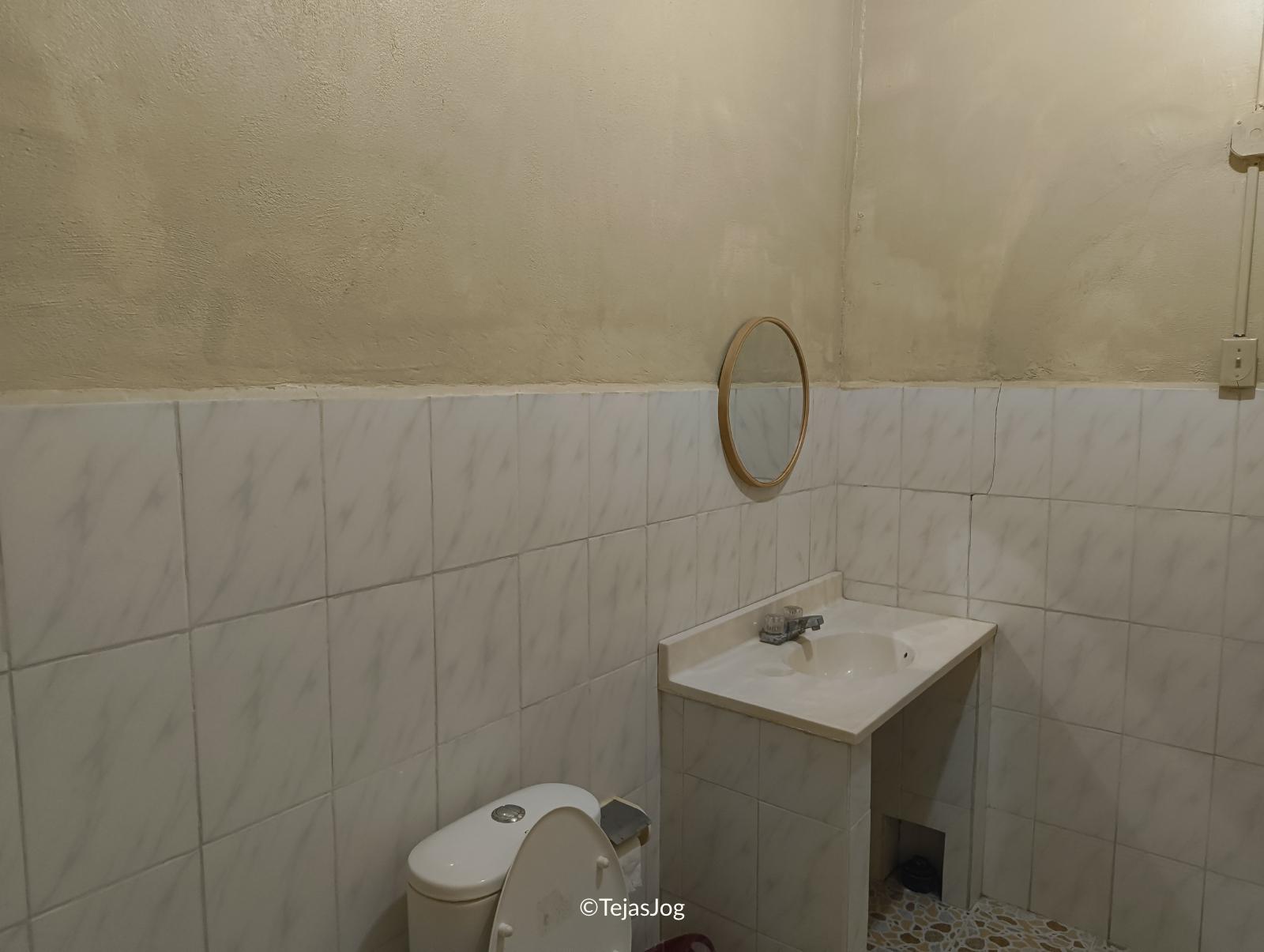
We dropped off our bags and then walked to Guangzhou Restaurant for lunch before continuing with the rest of our day.
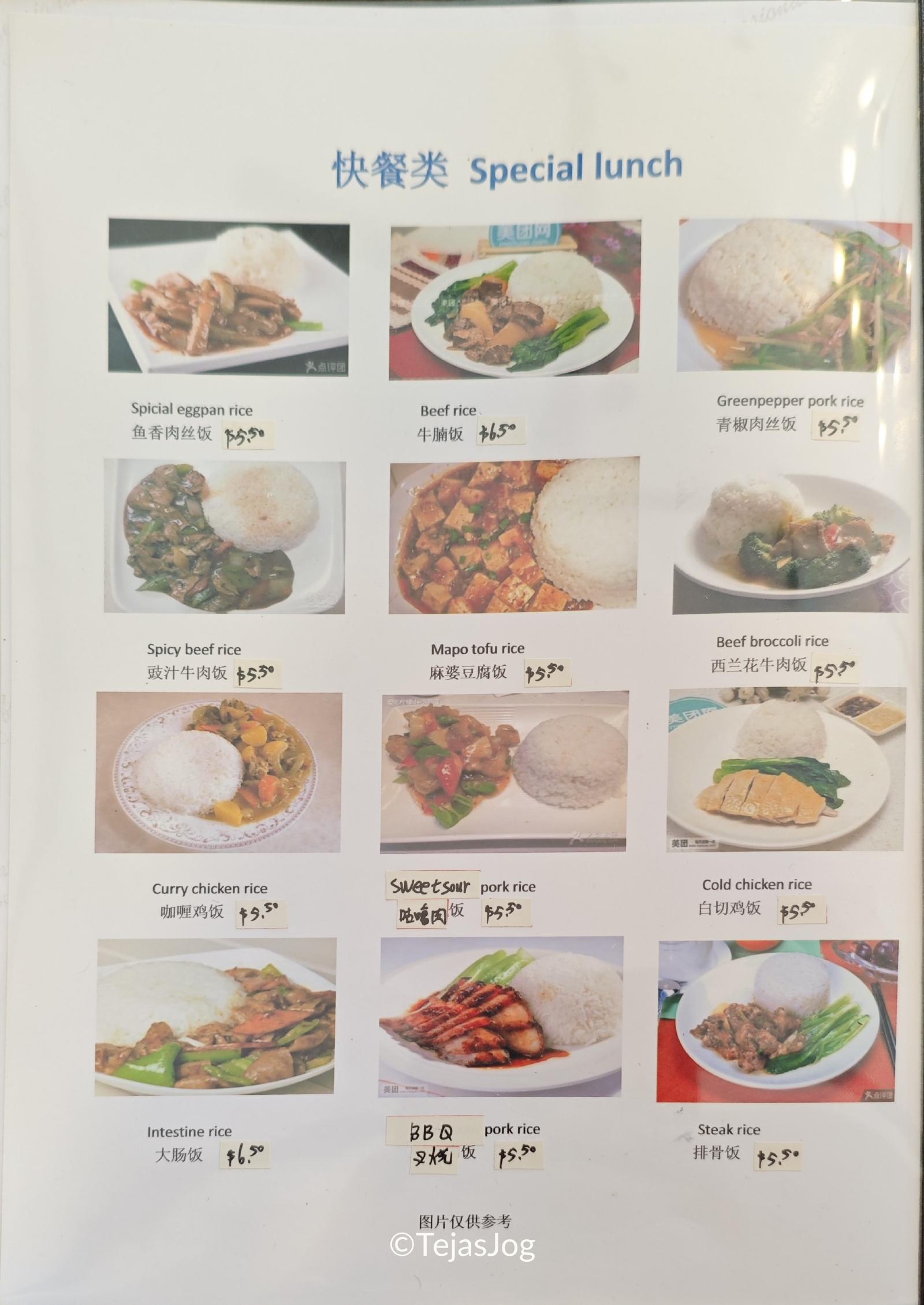
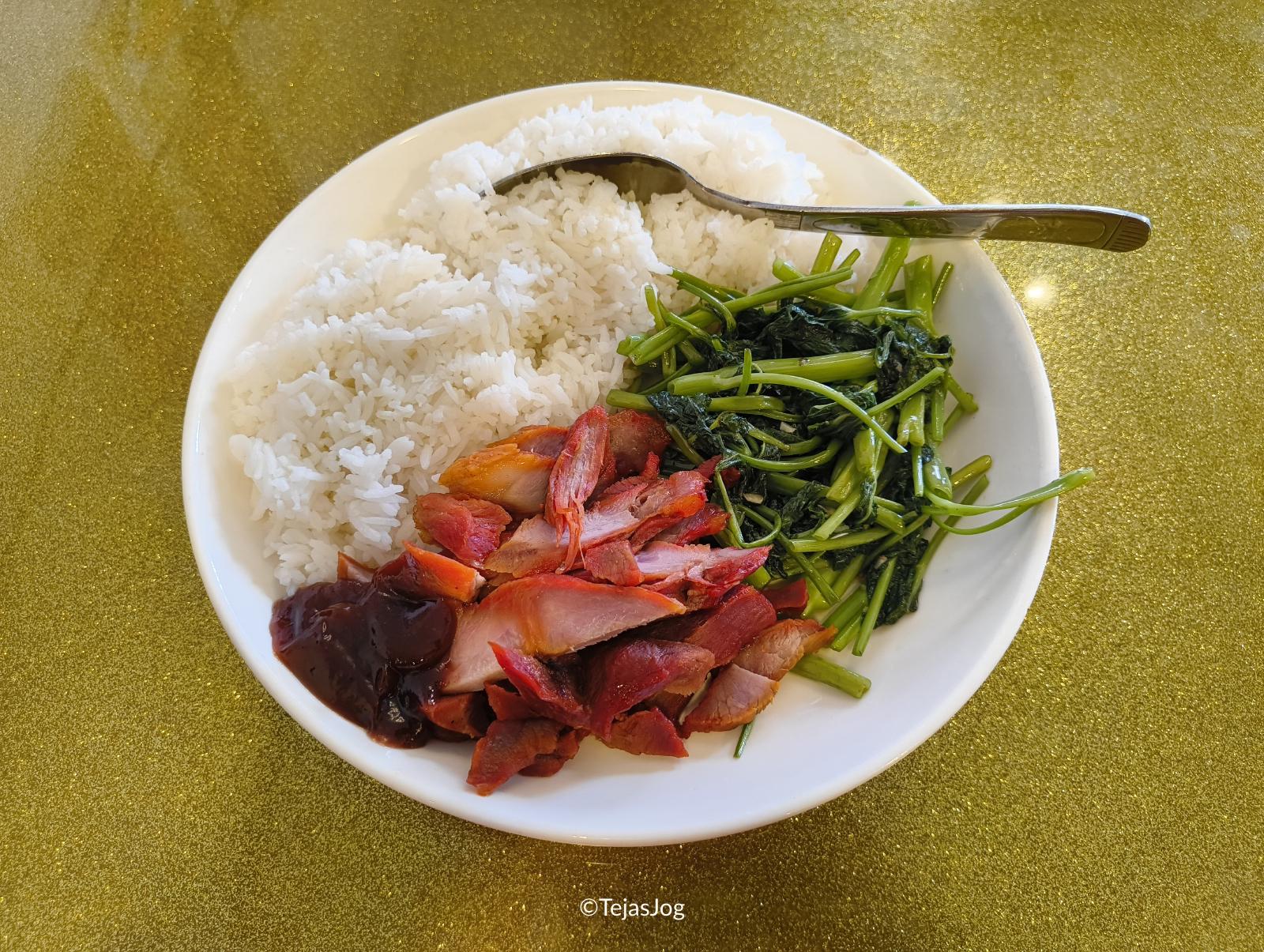
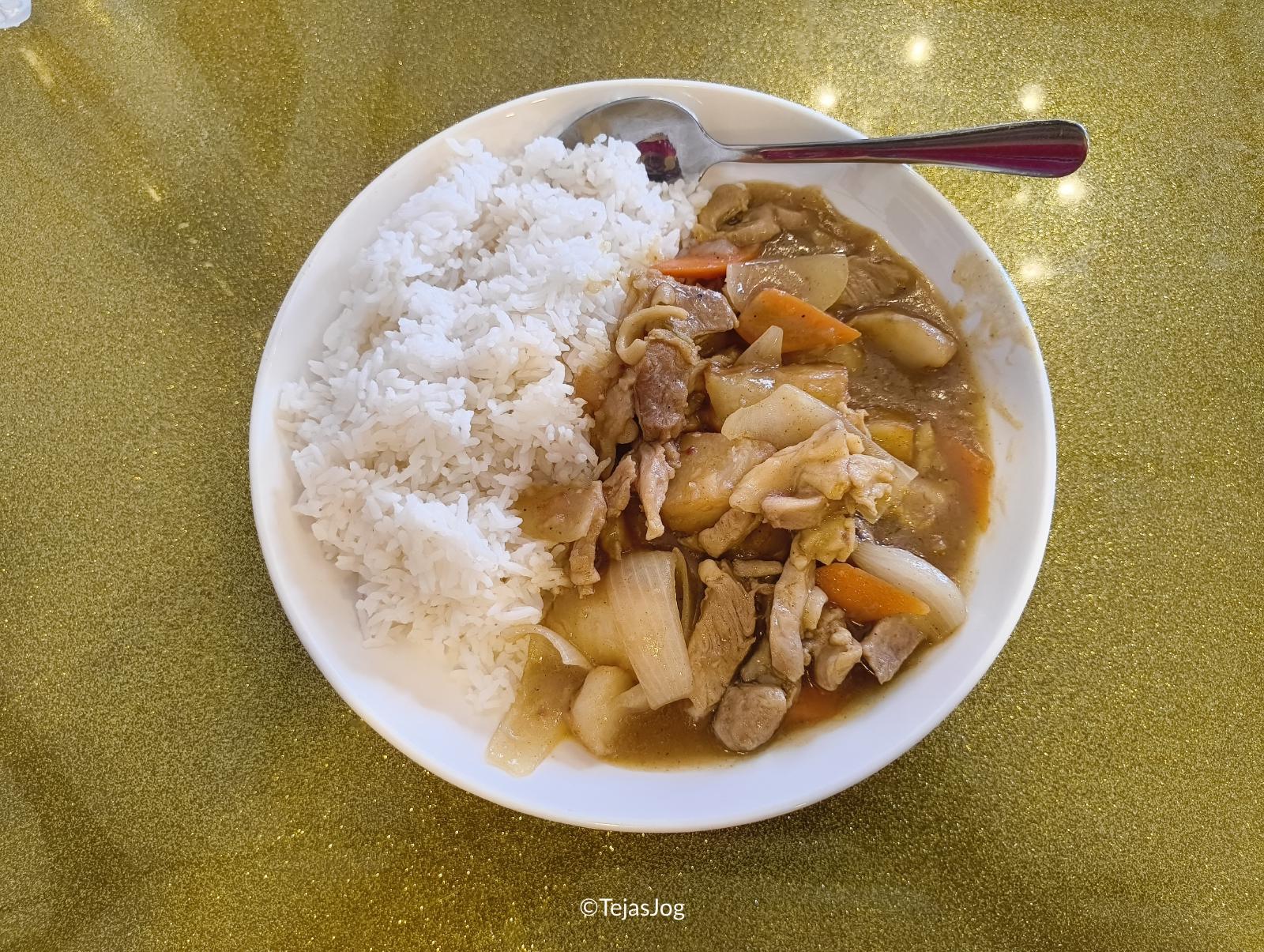
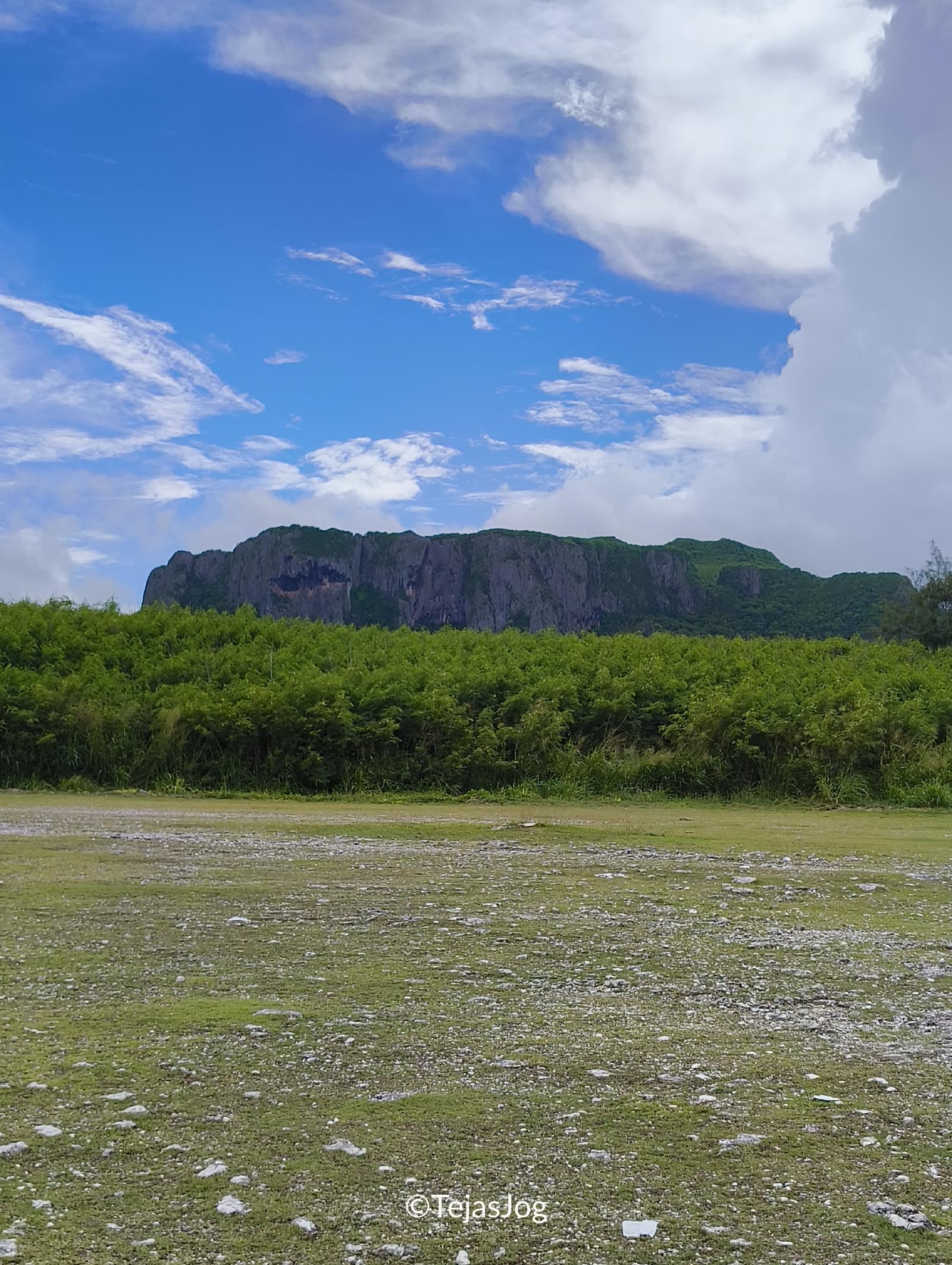
After lunch, we drove to the northernmost tip of Saipan to see the Banzai Cliff Monument. The area is populated with numerous stone monuments and markers erected by various Japanese organizations and families.
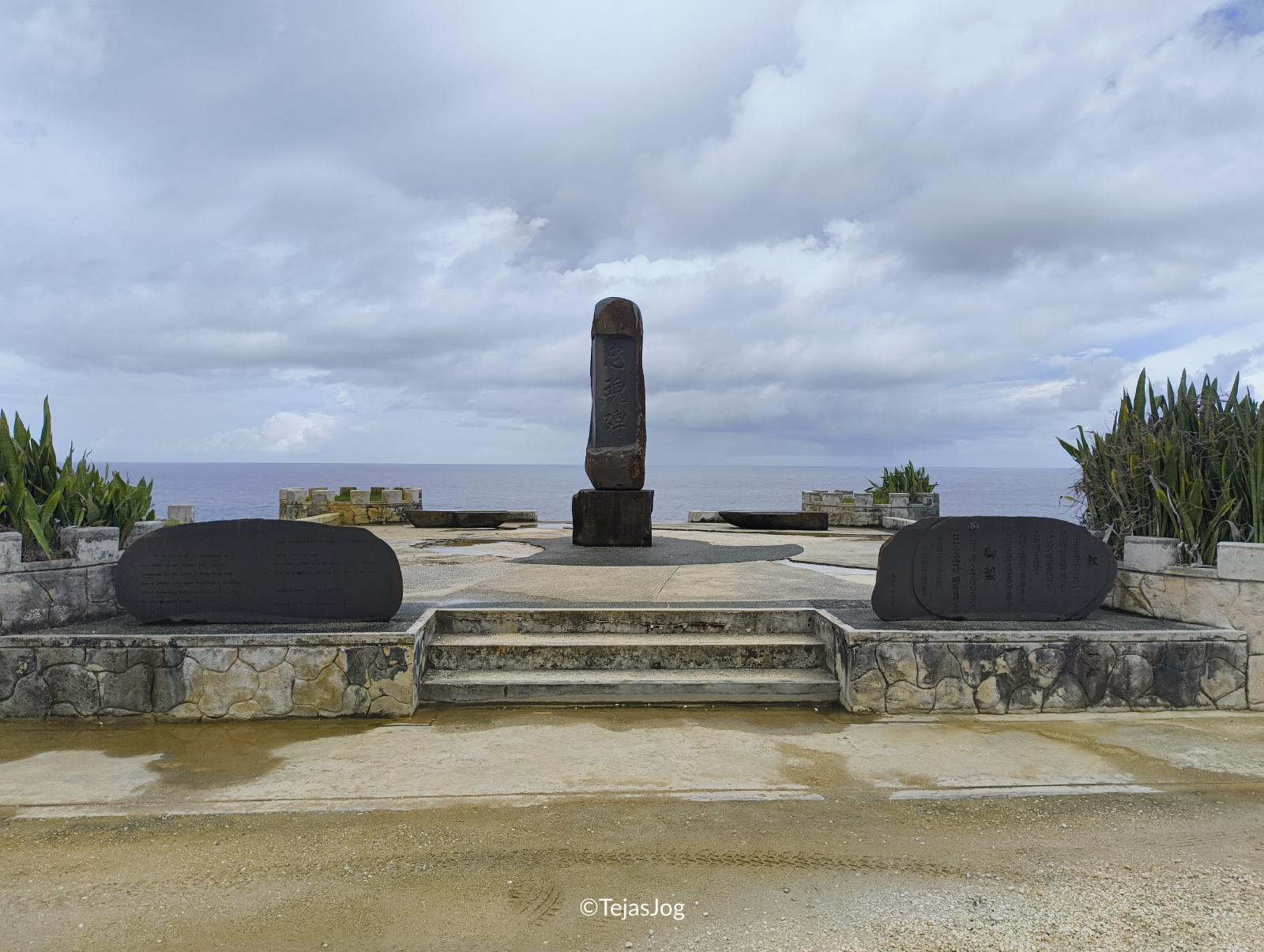
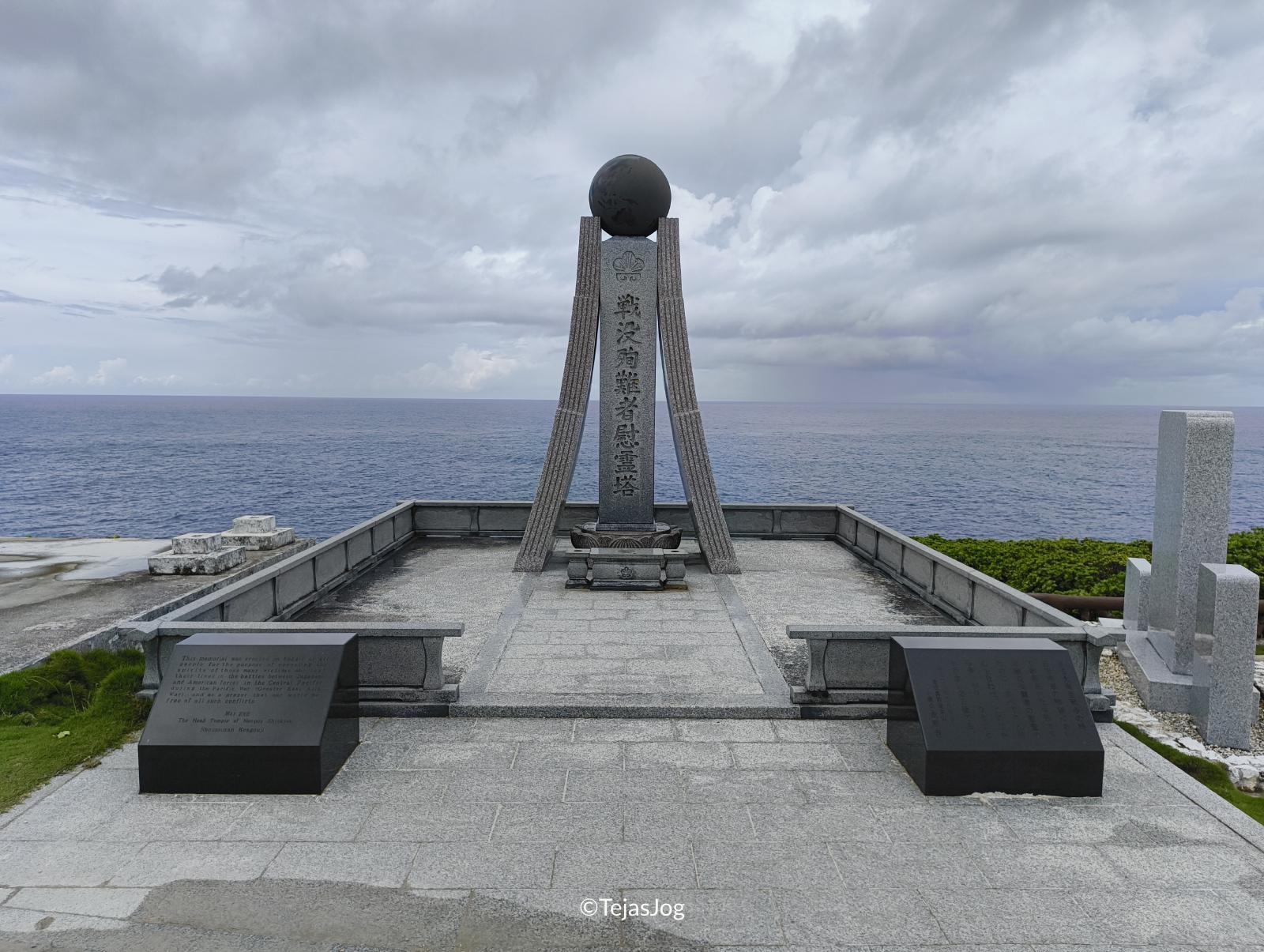
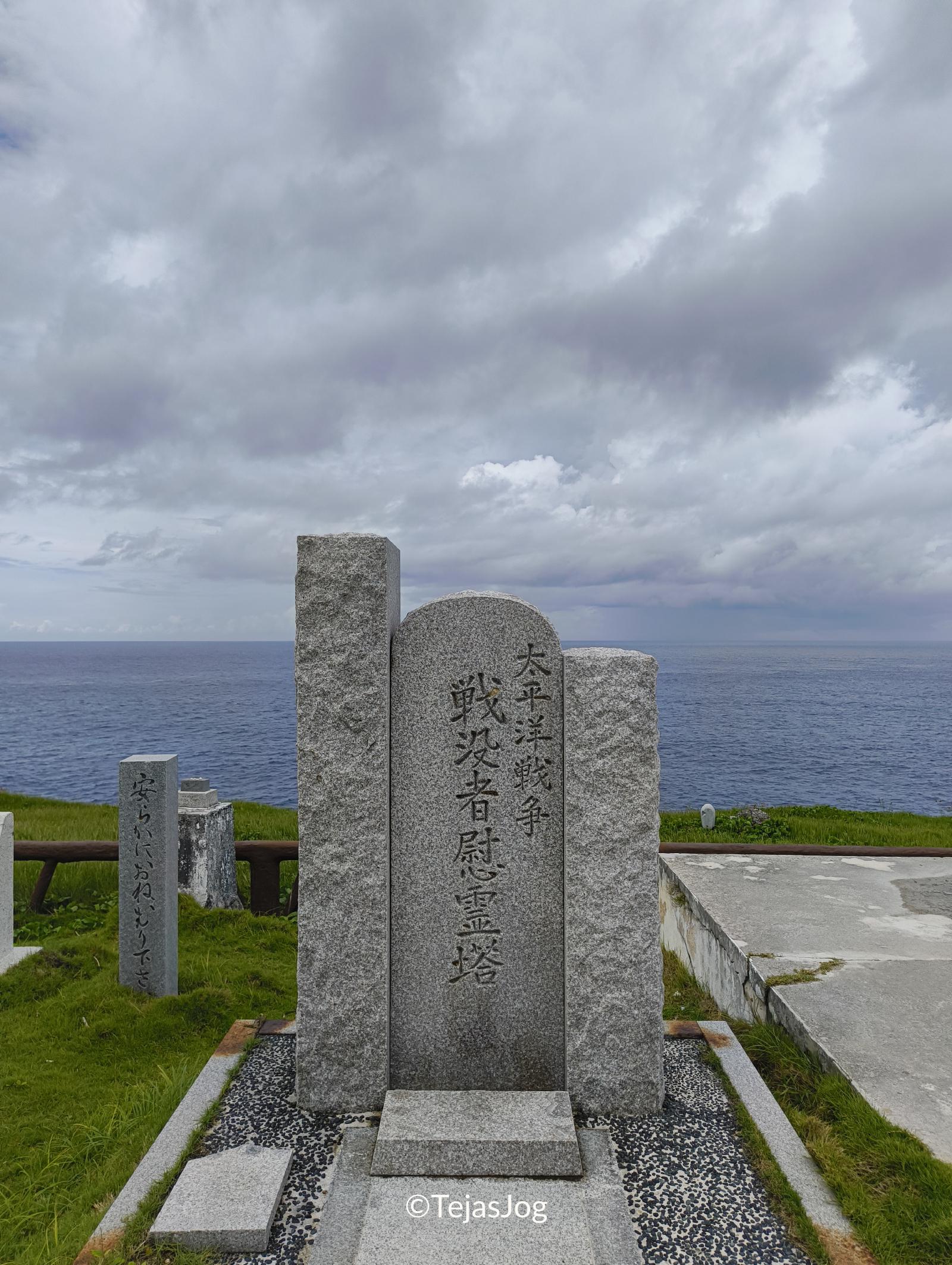
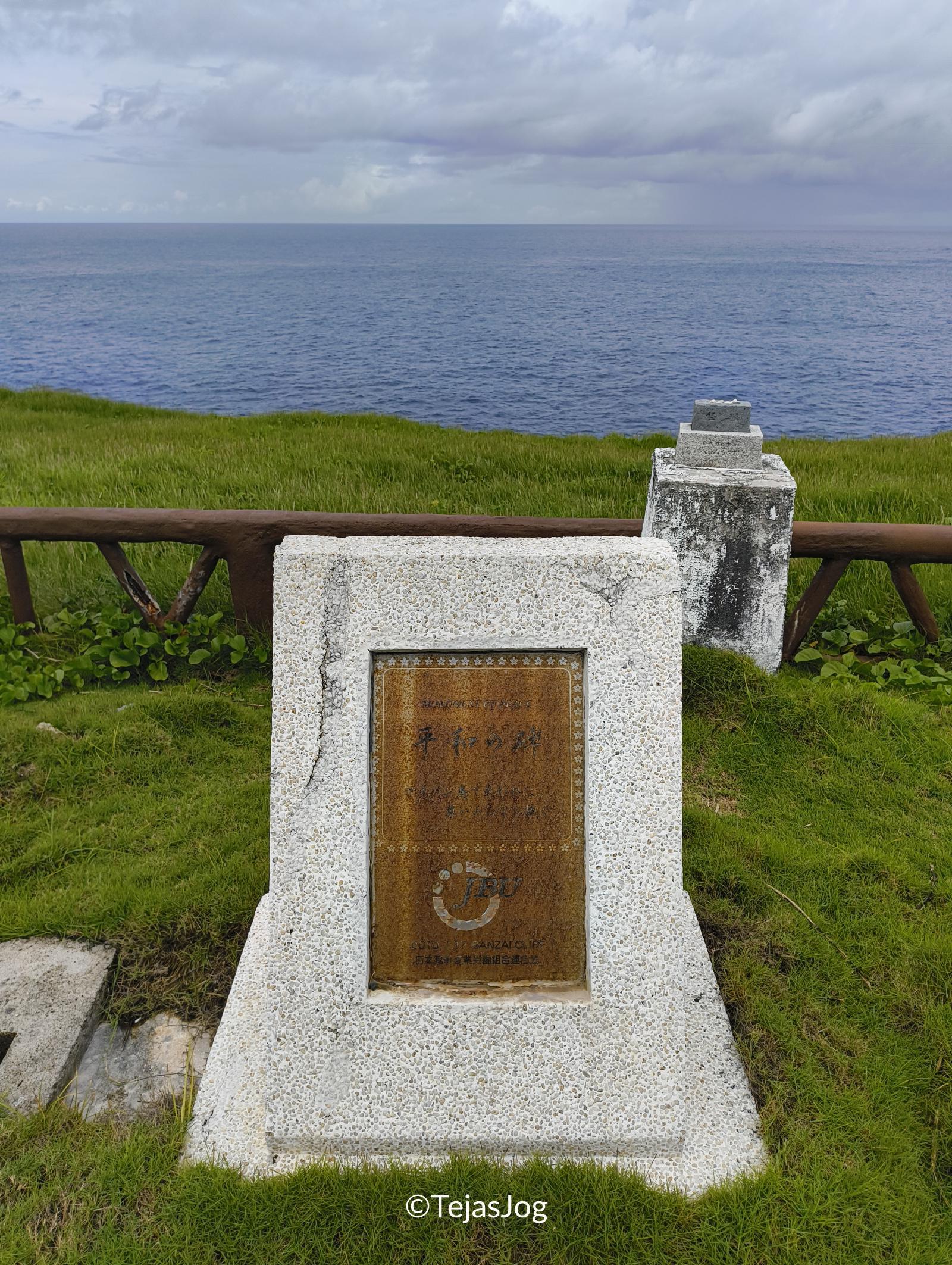
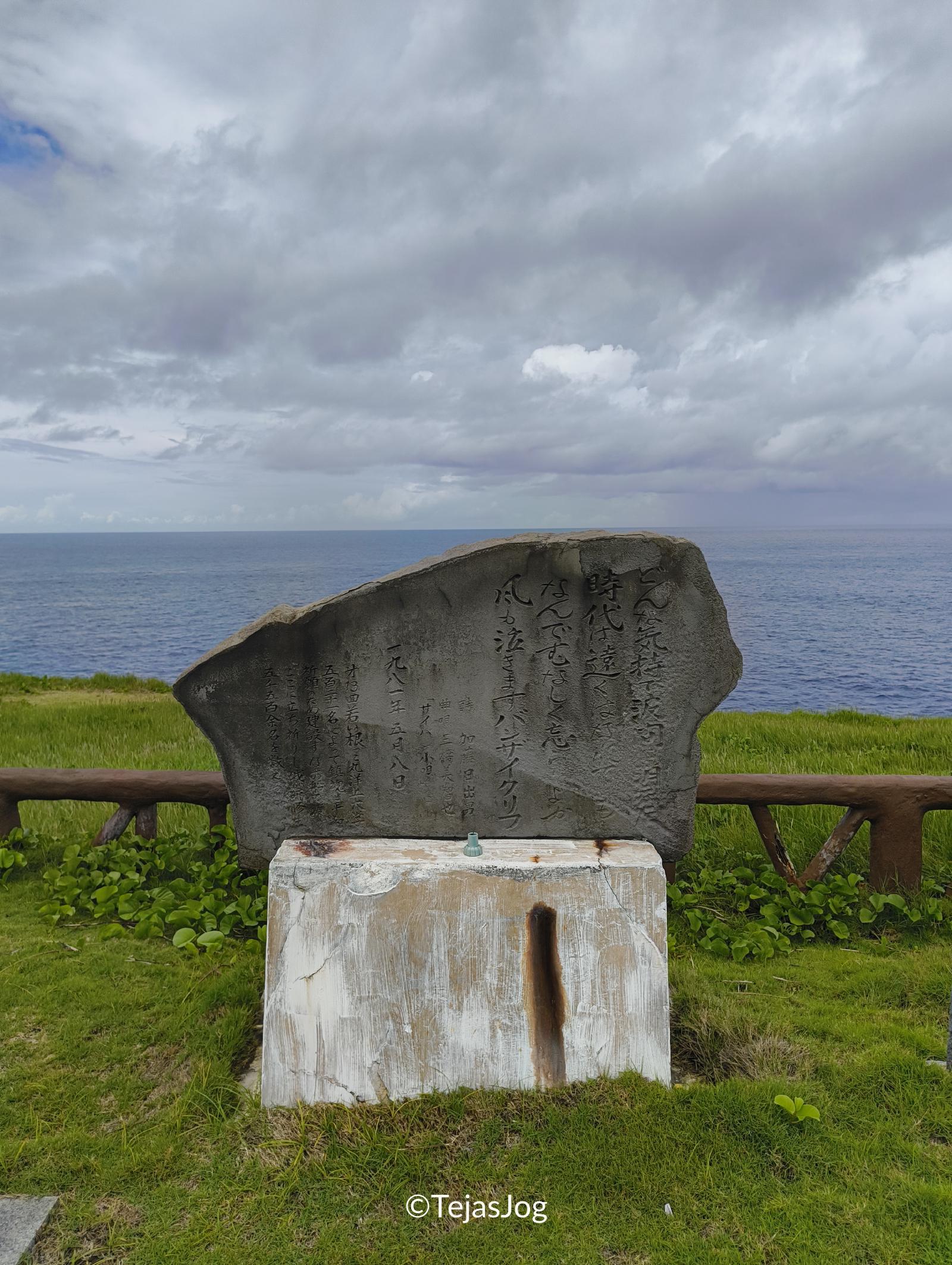
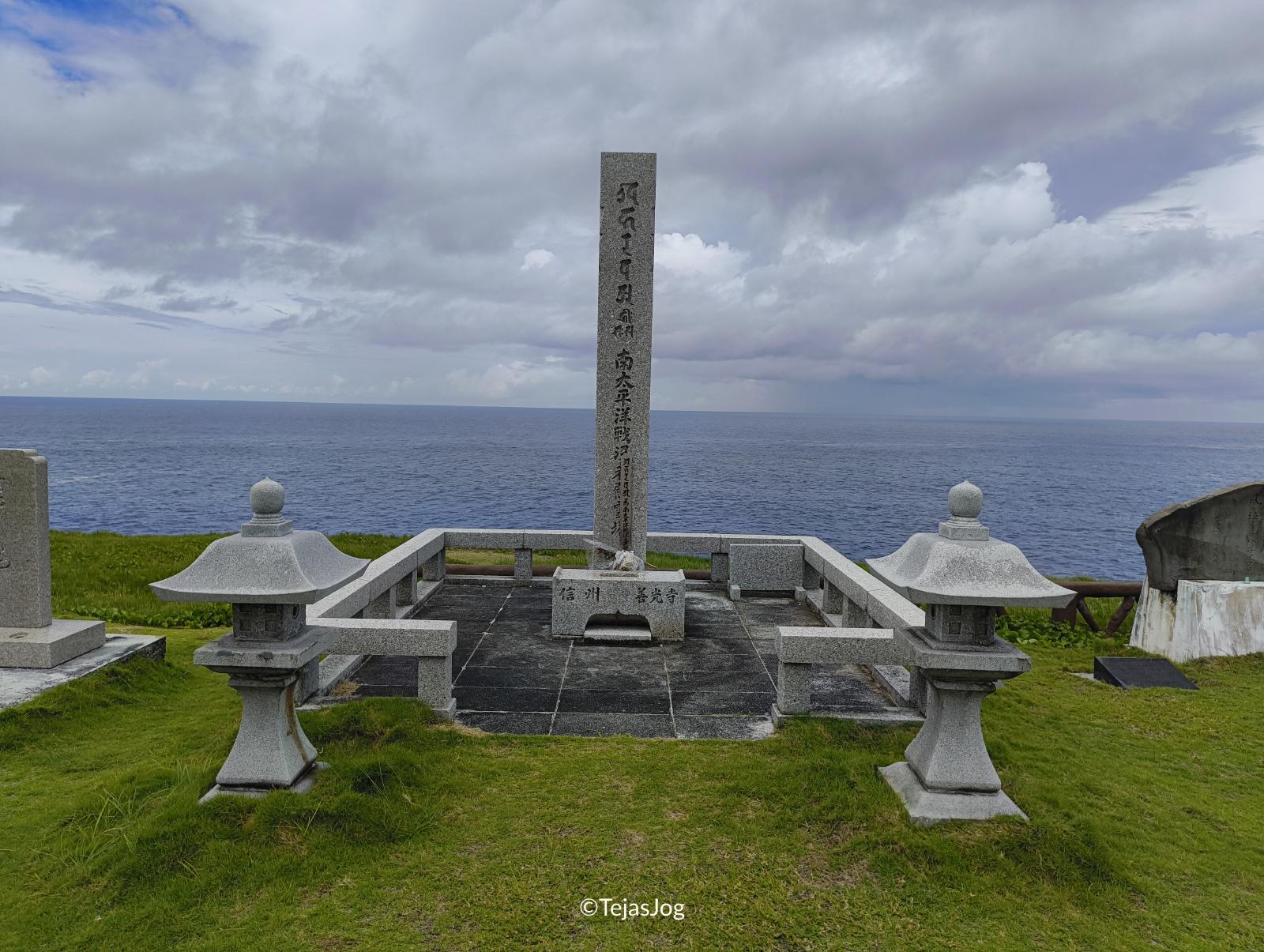
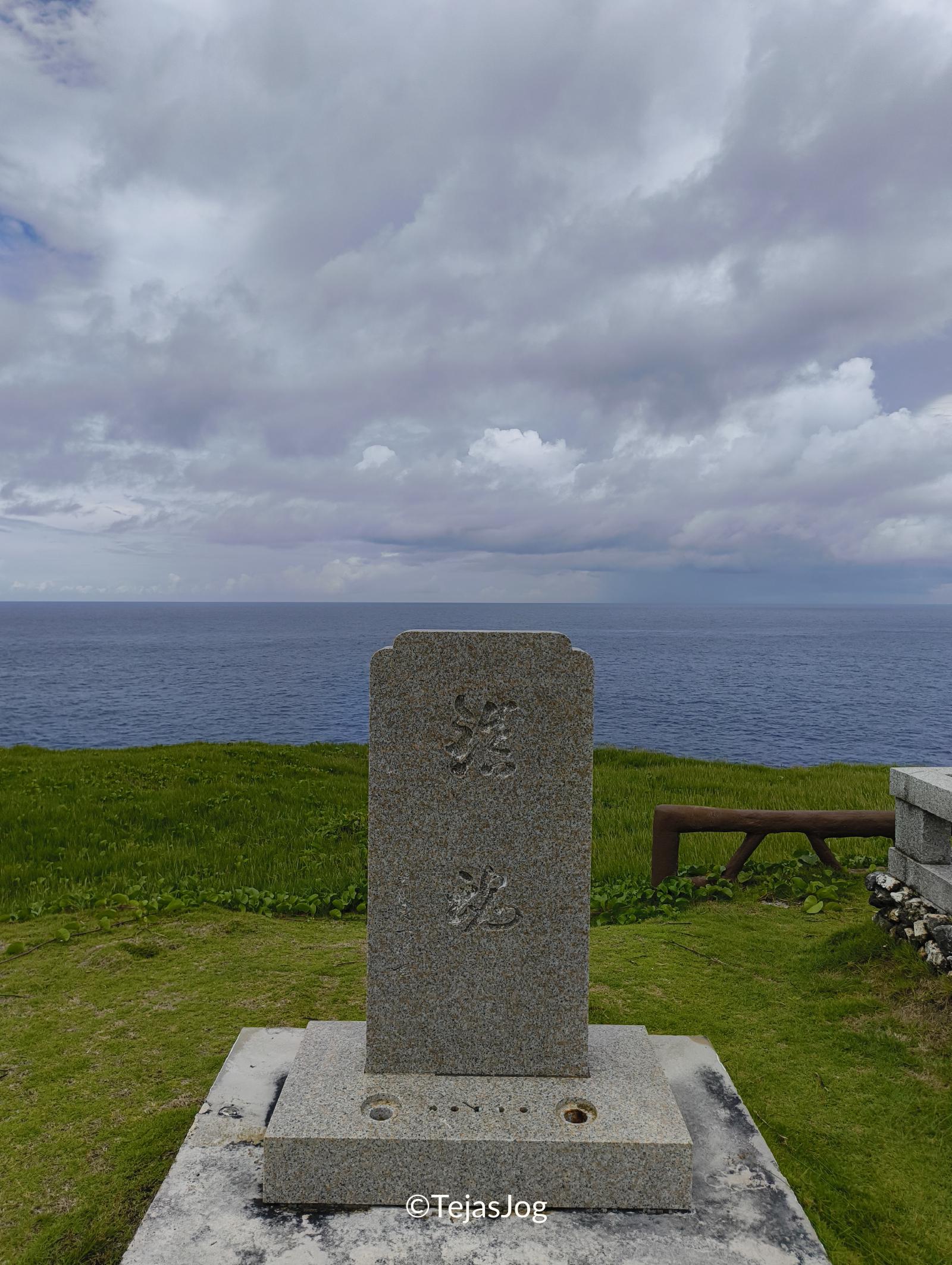
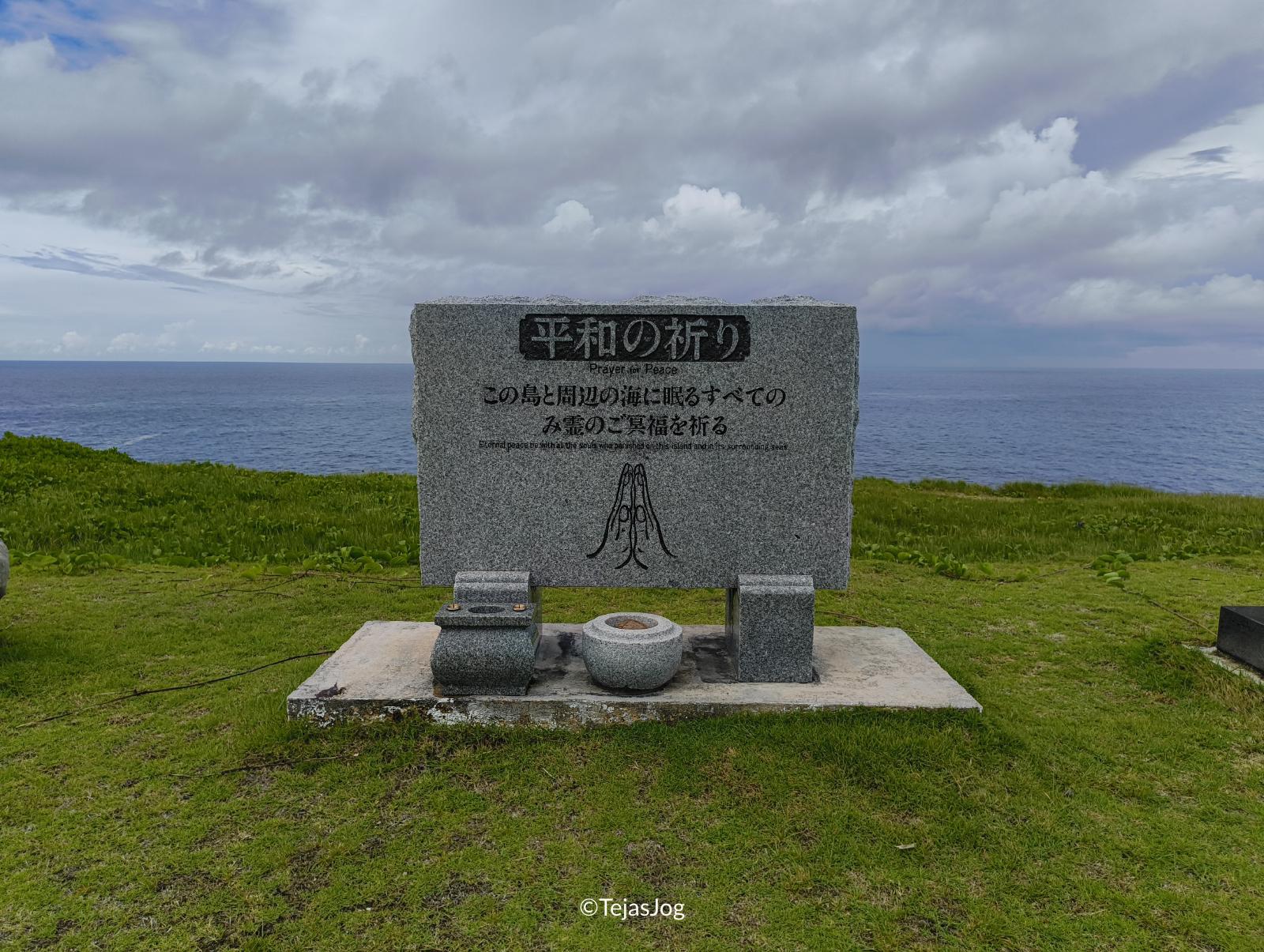
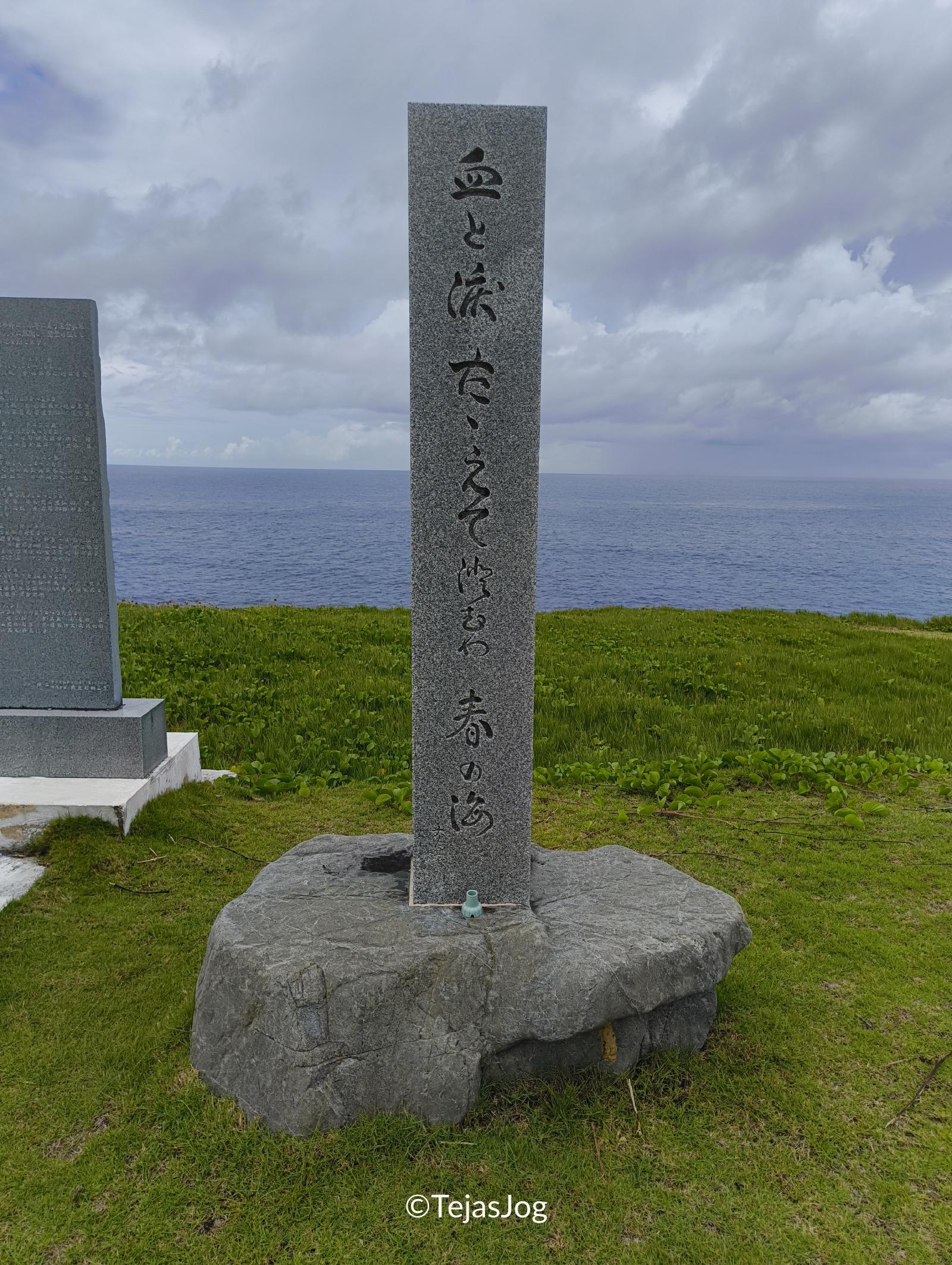
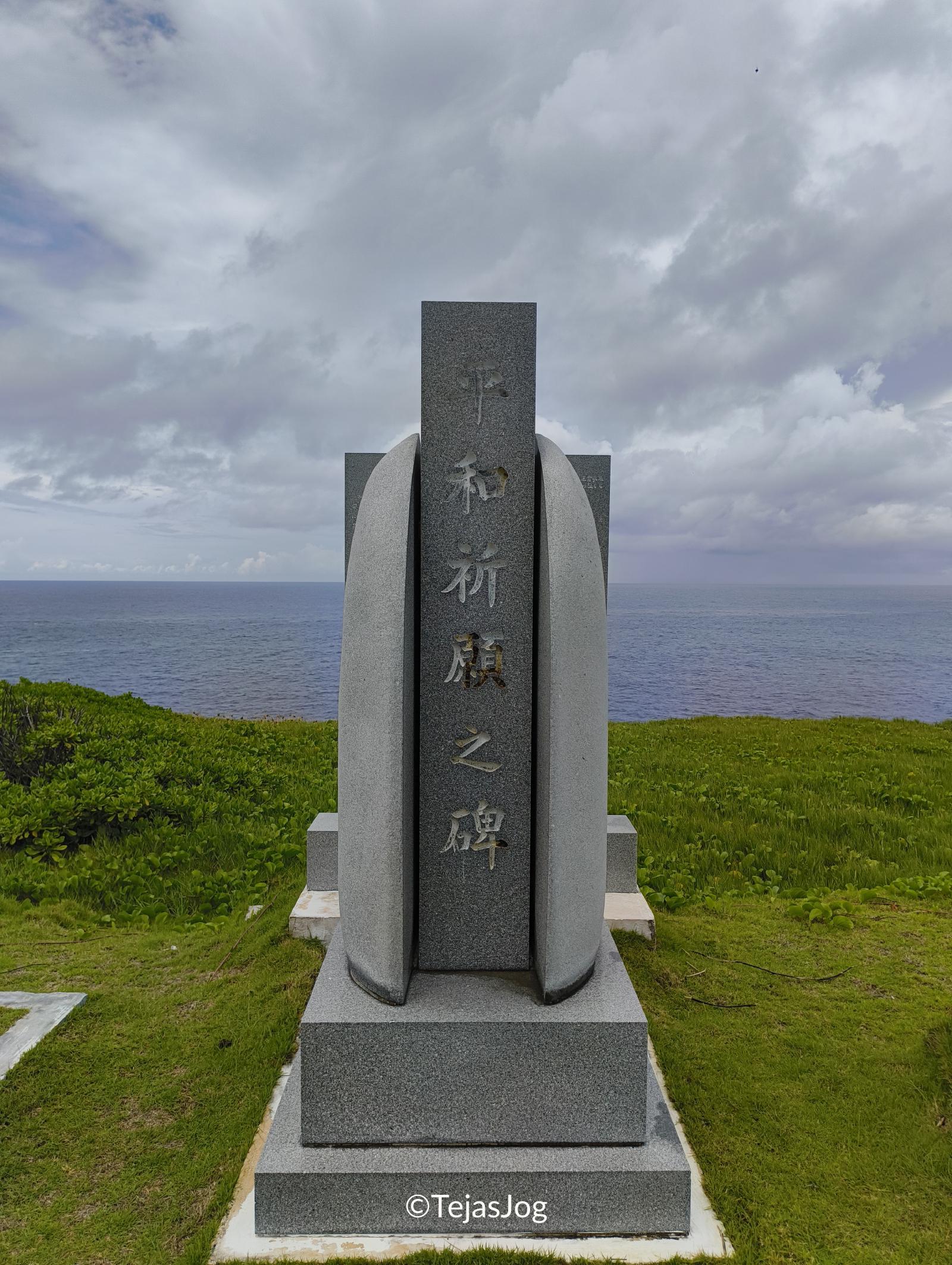
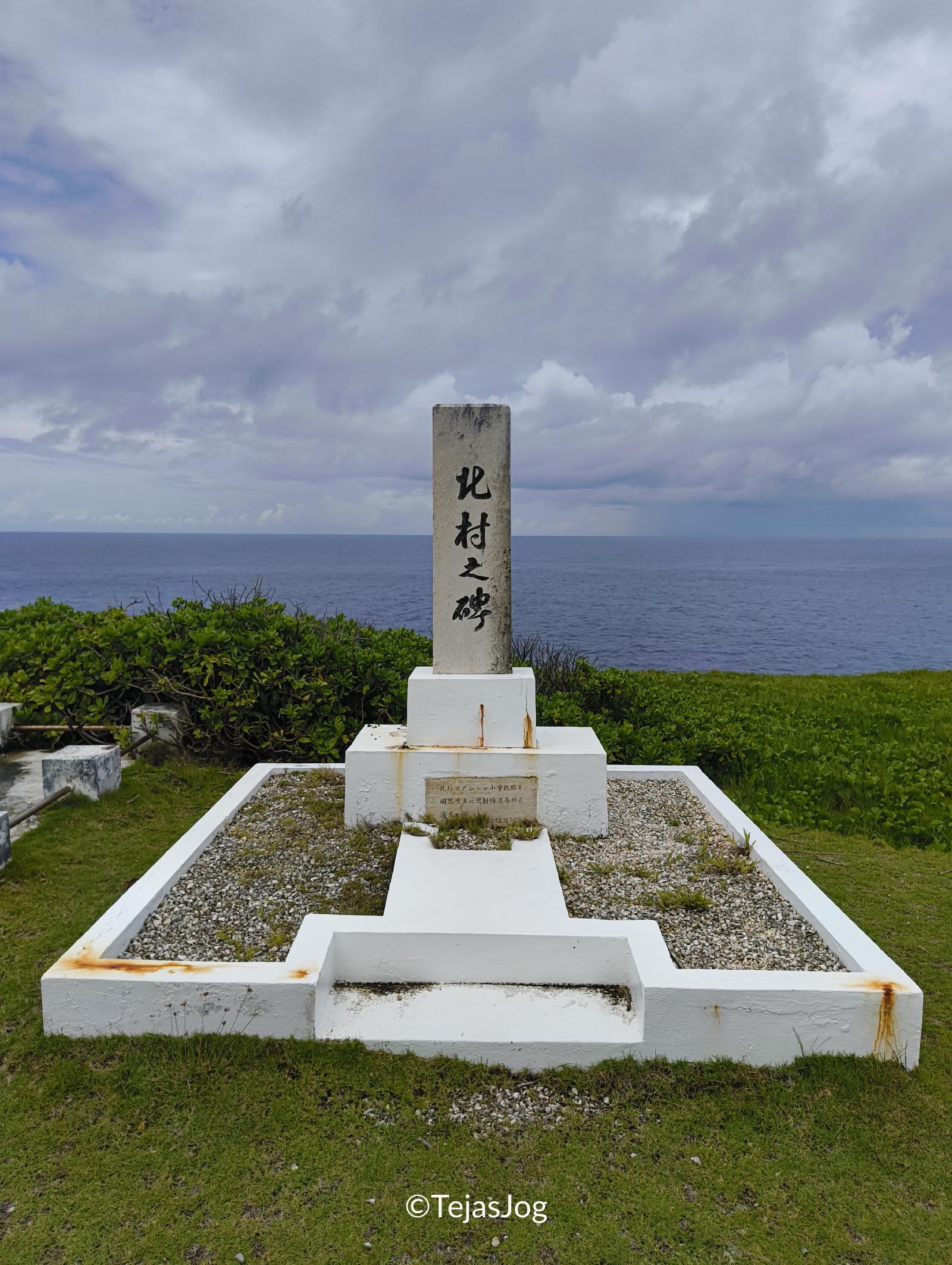
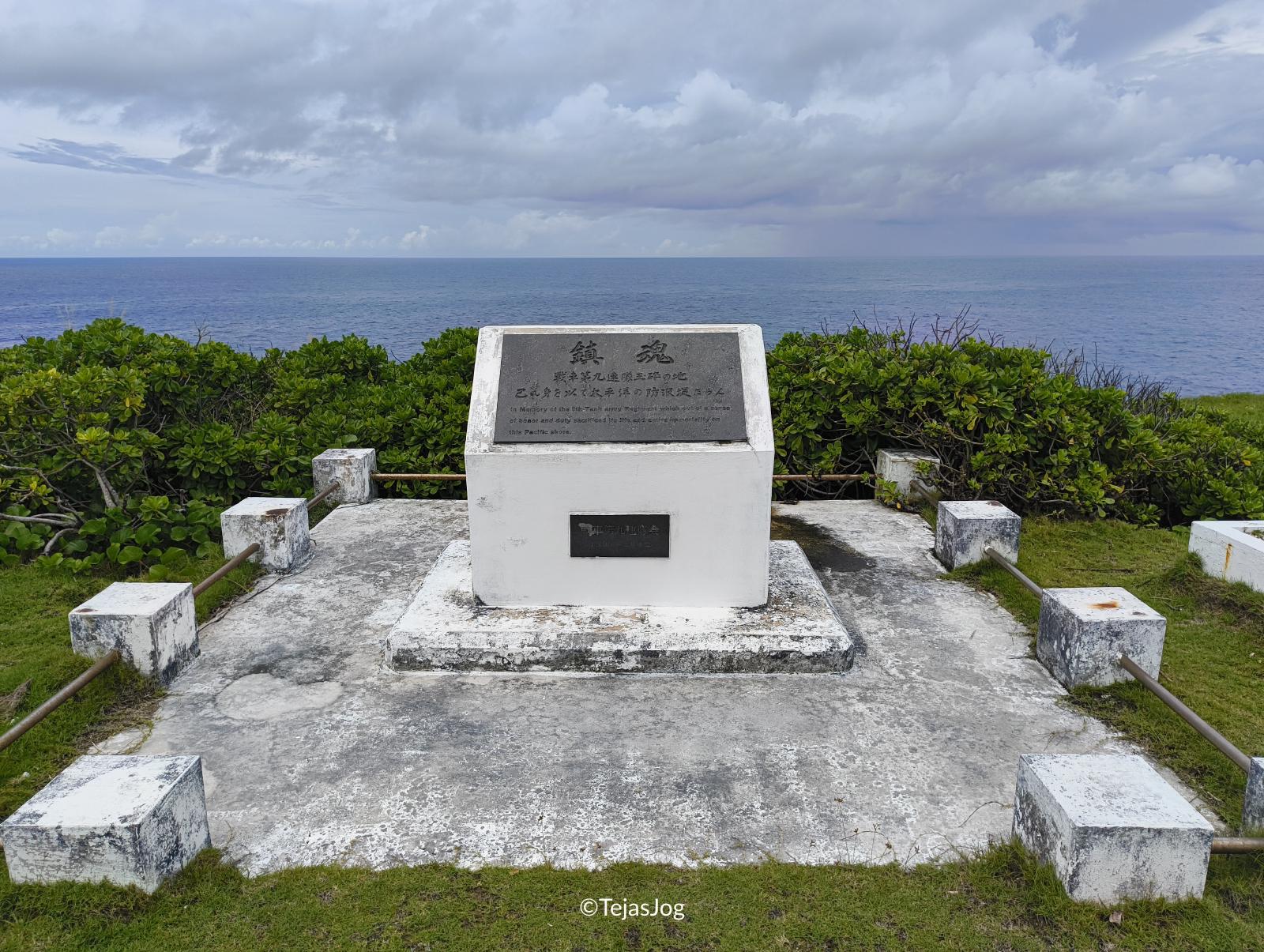
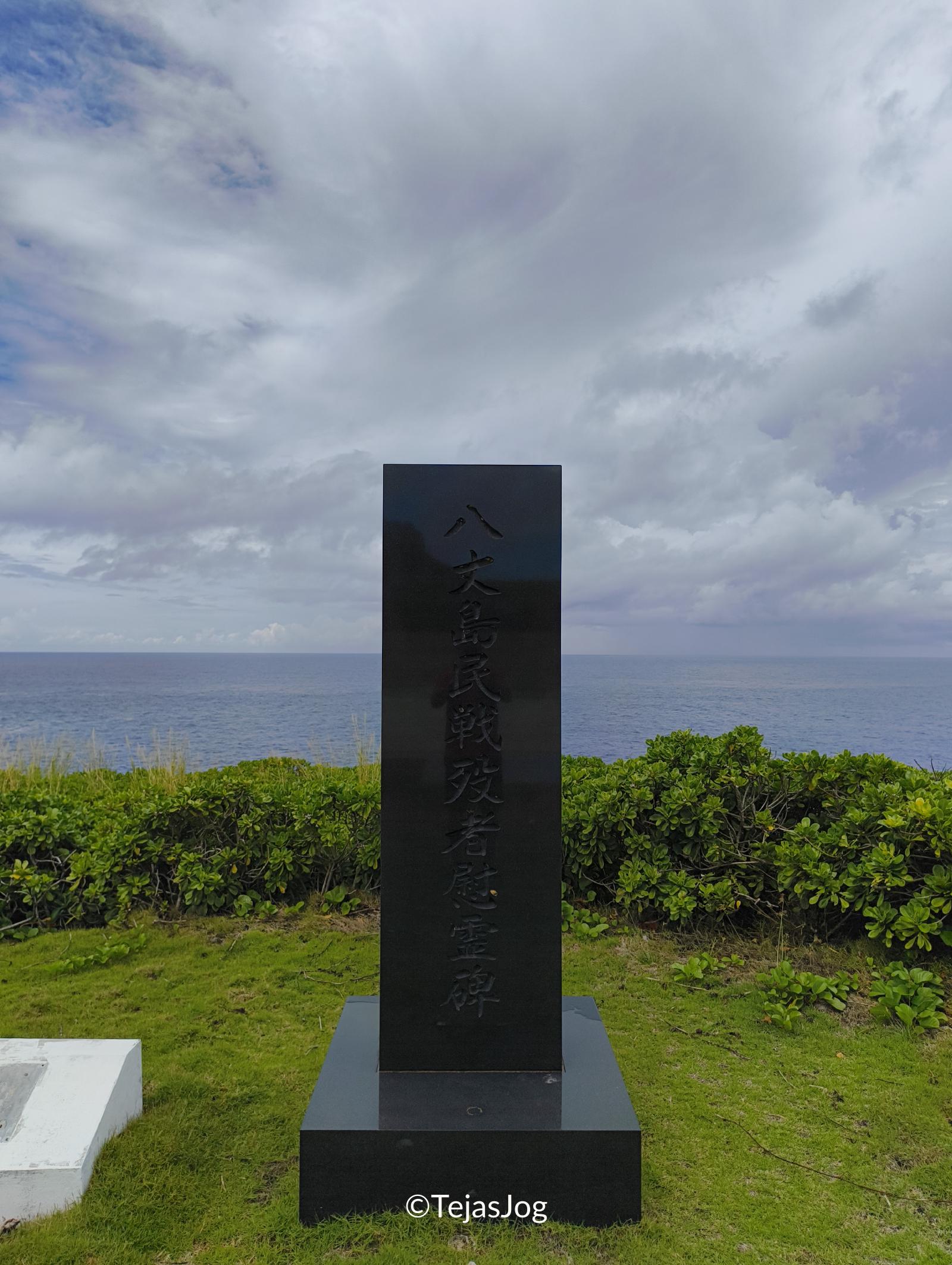
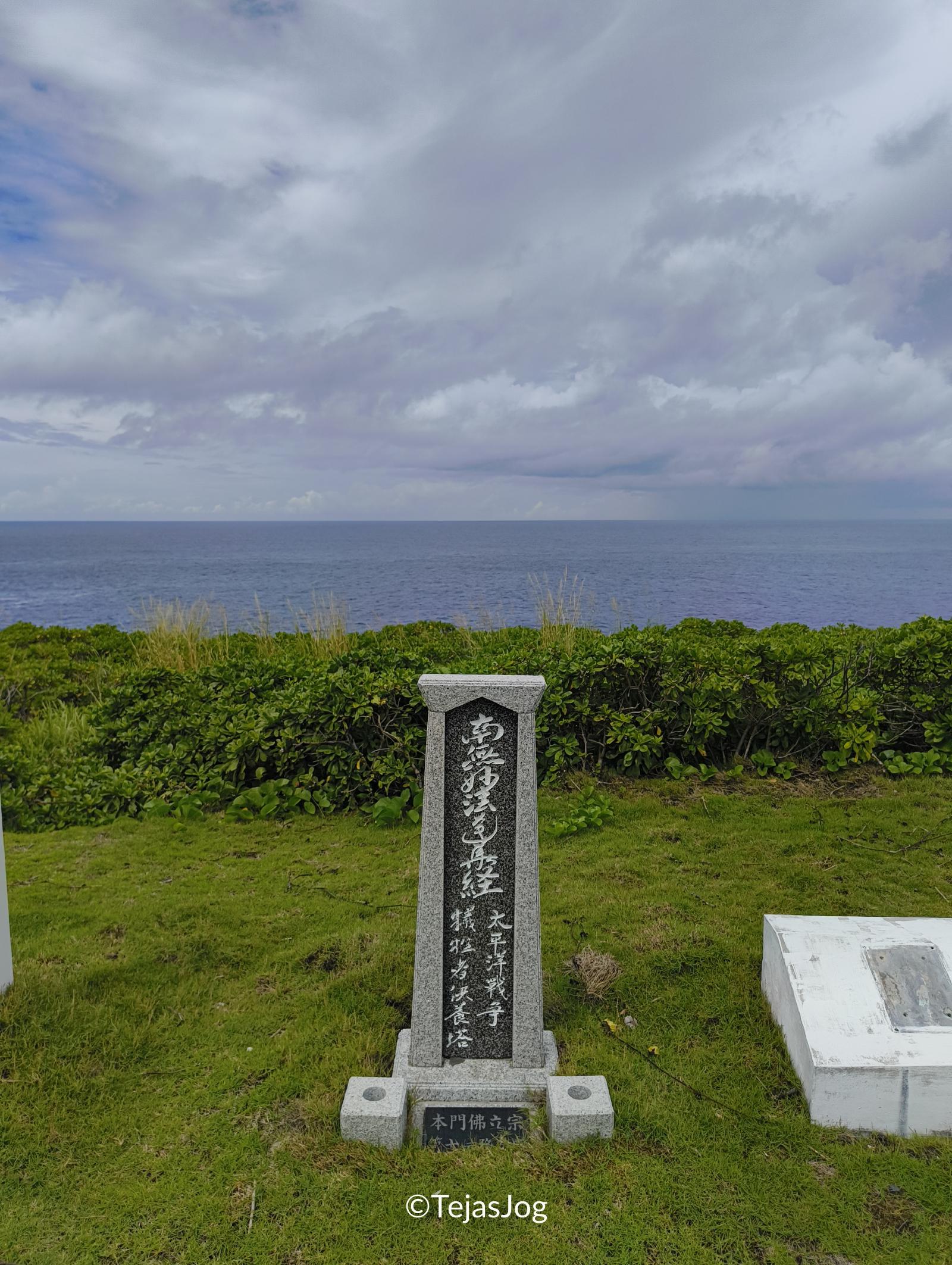
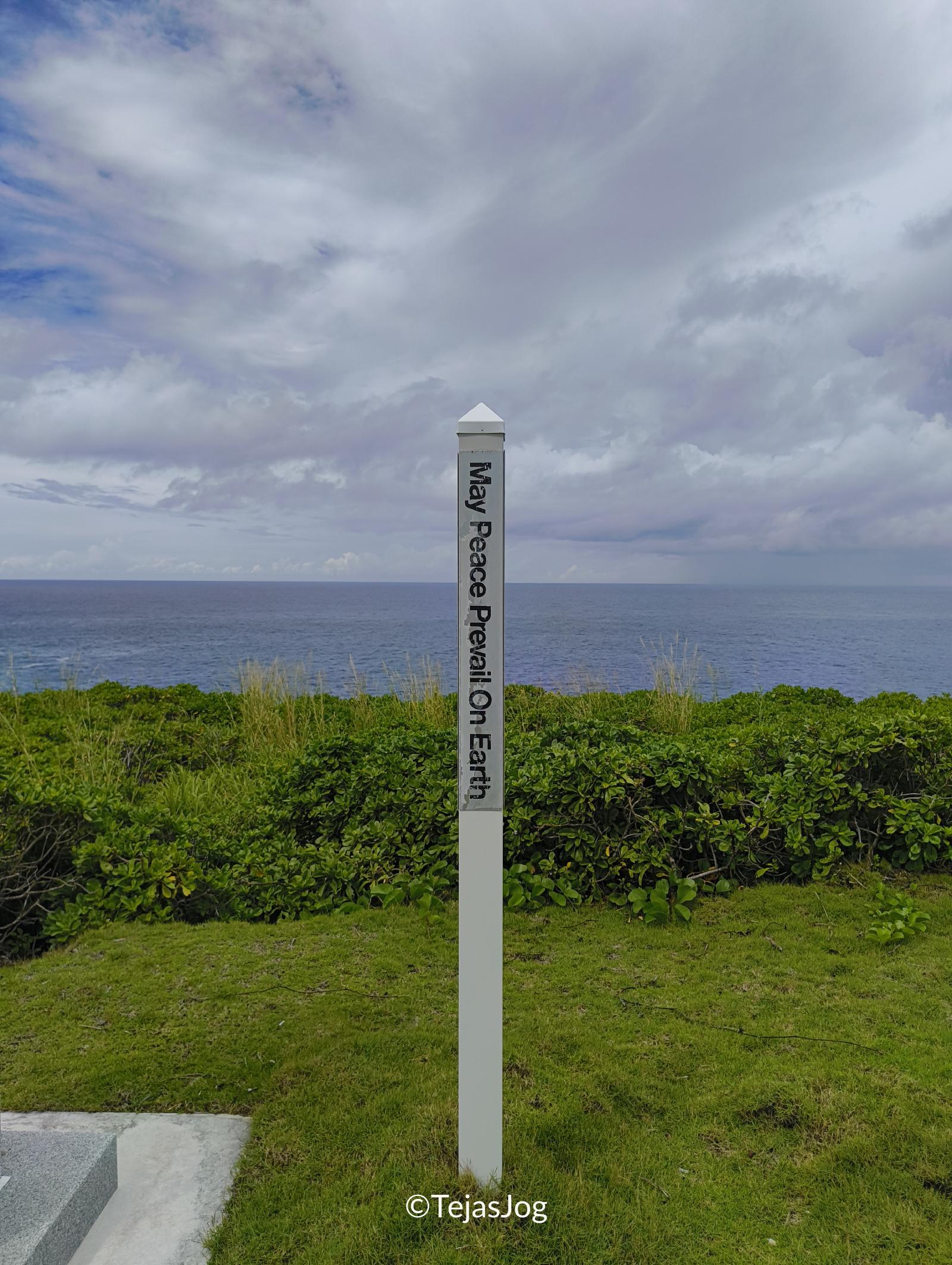
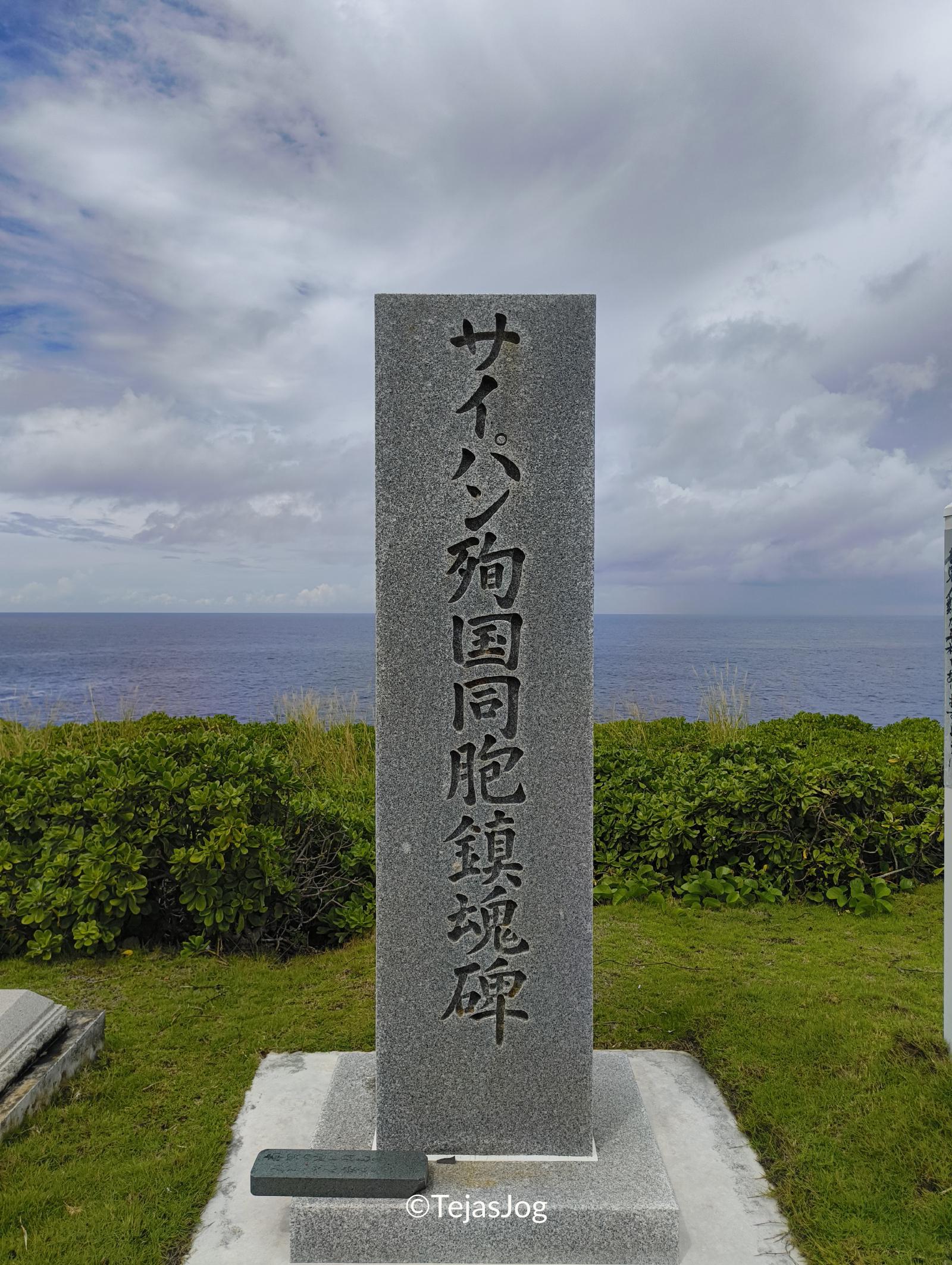
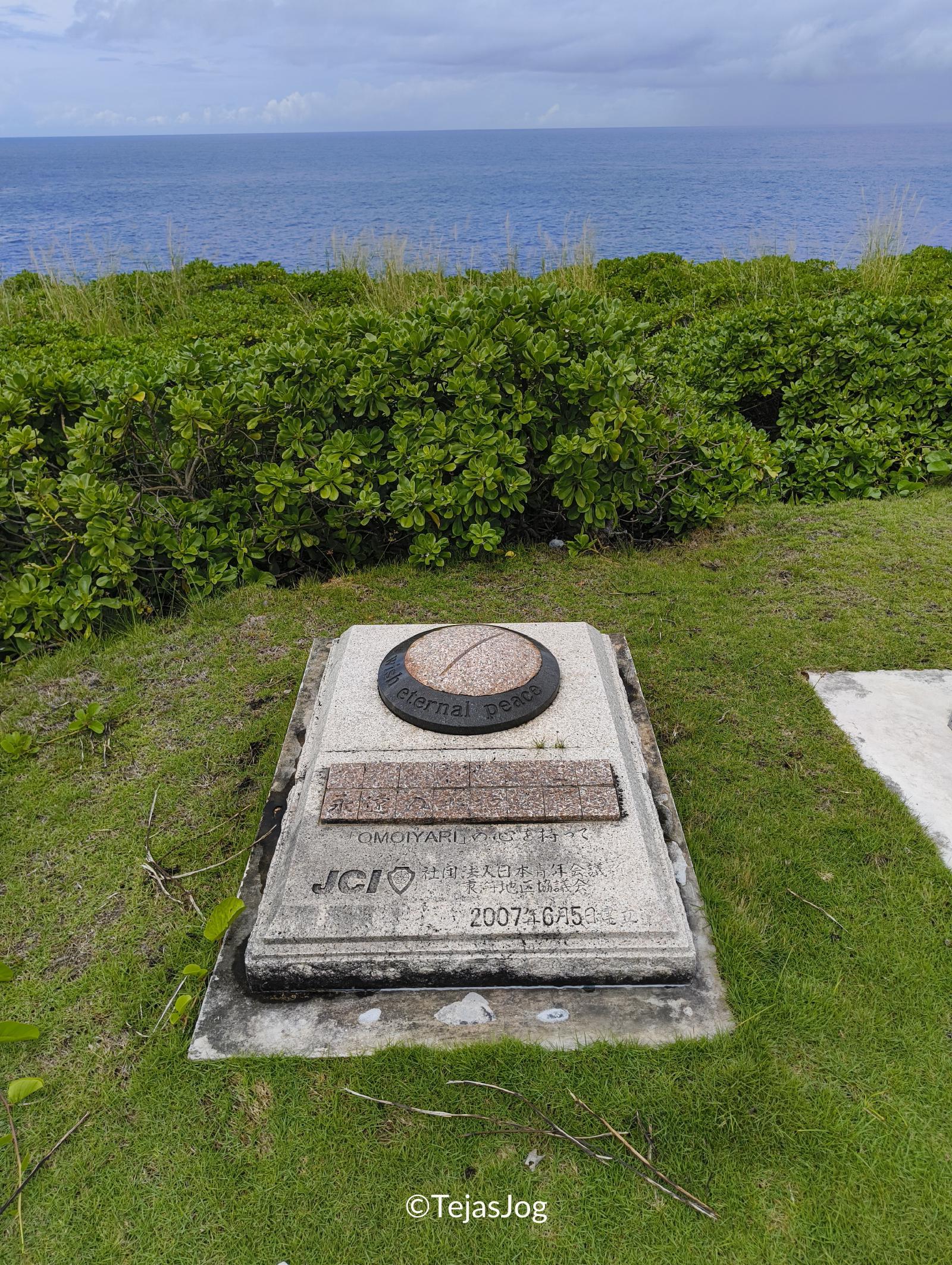
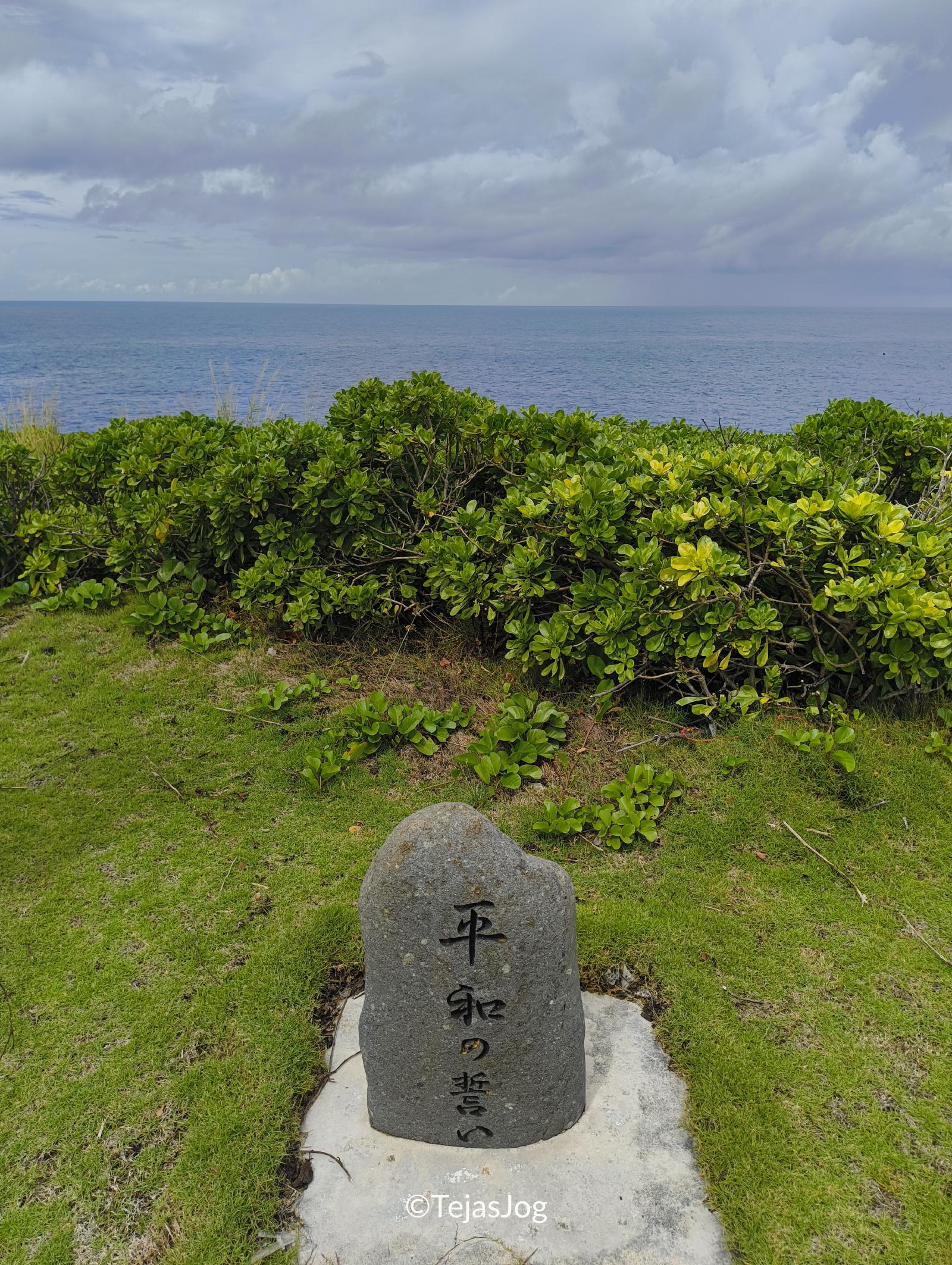
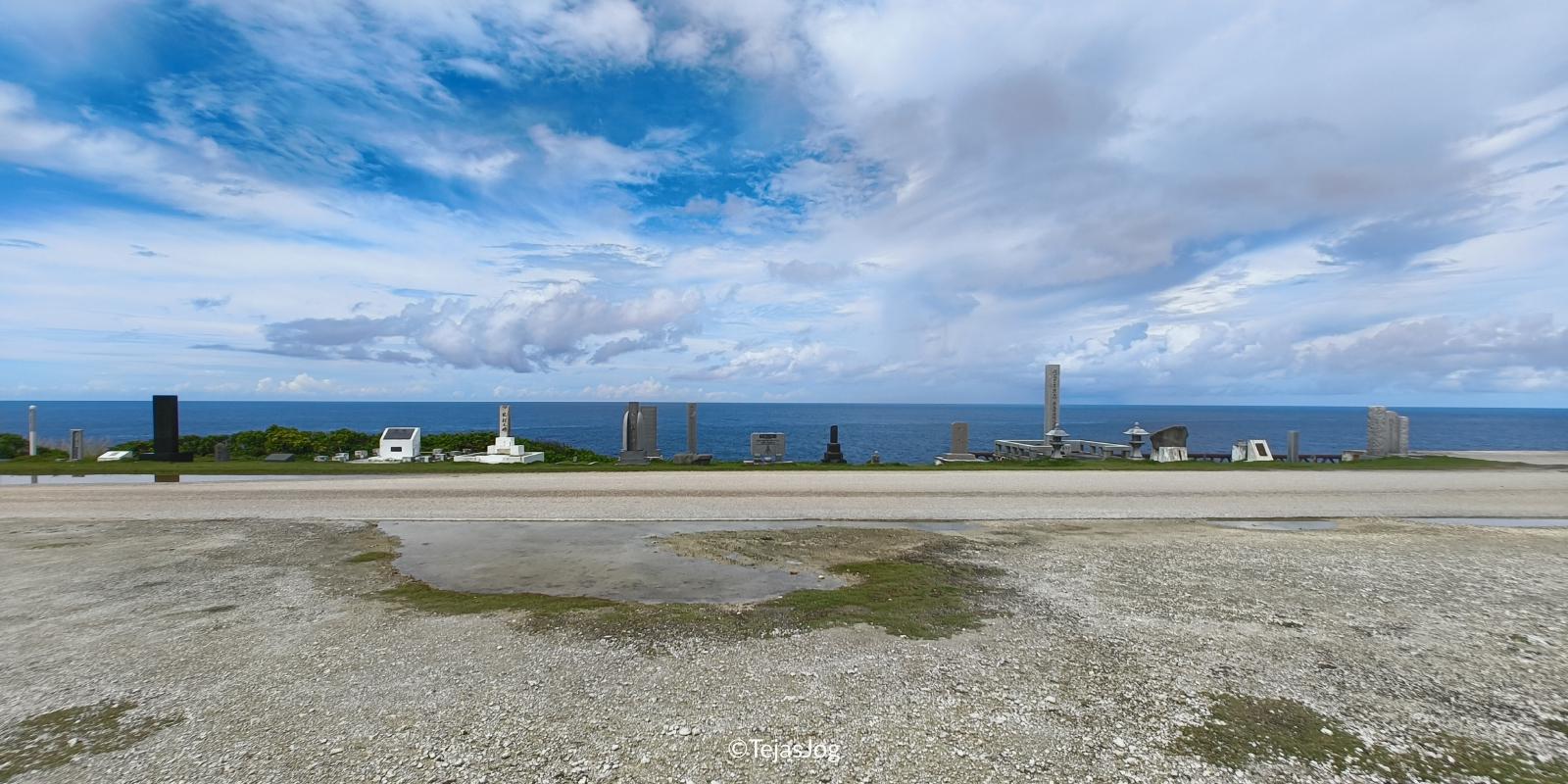
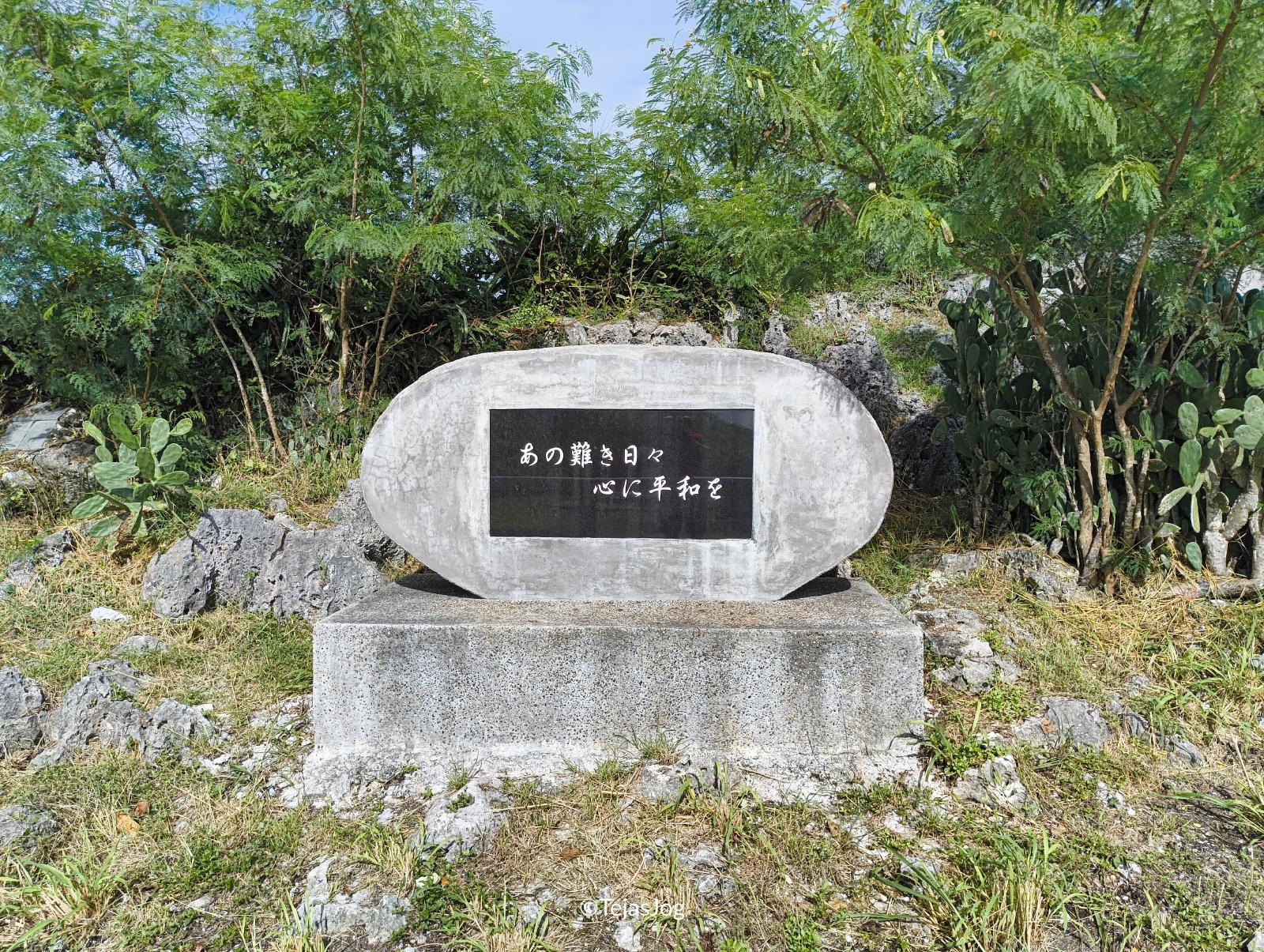
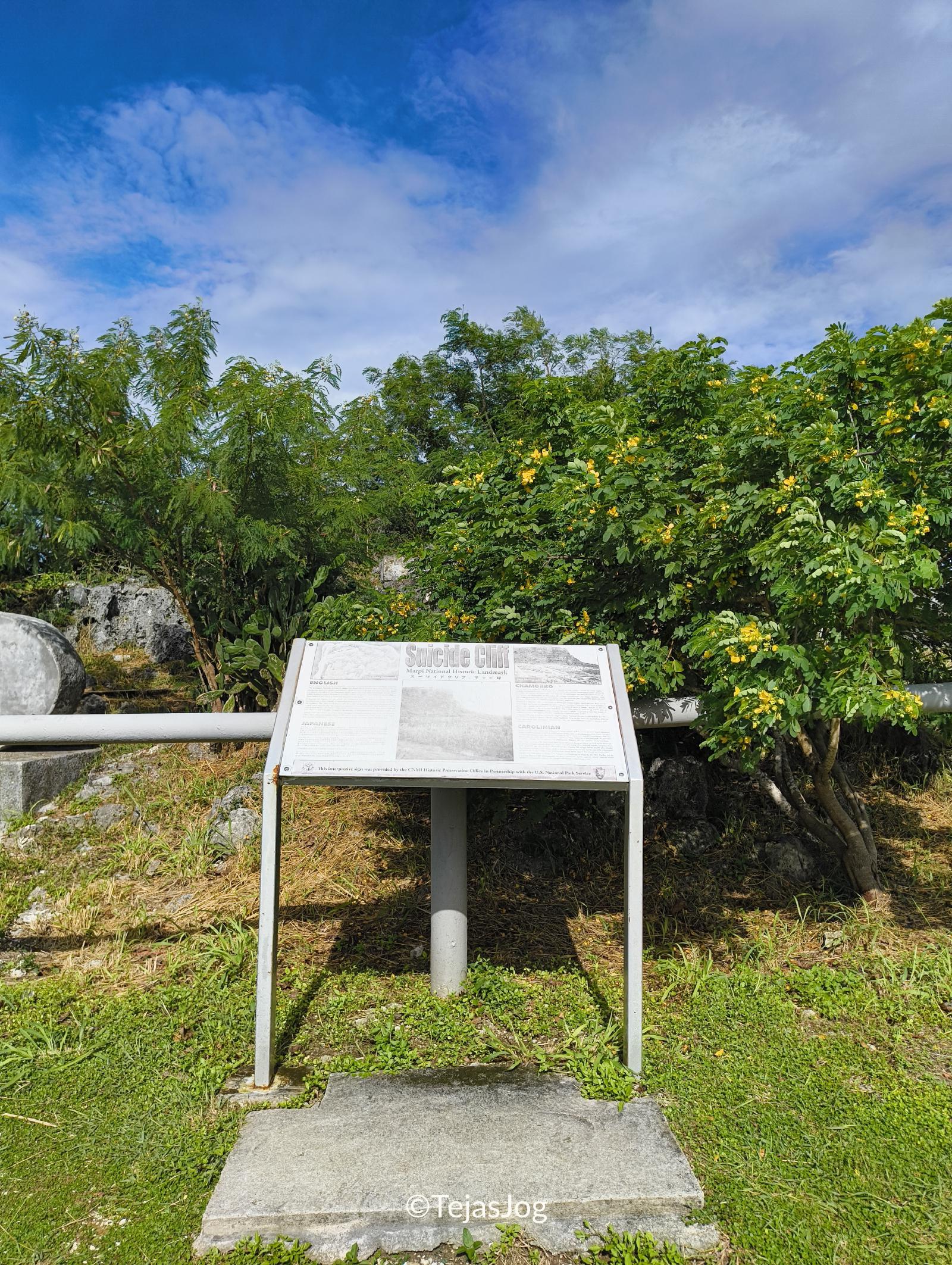
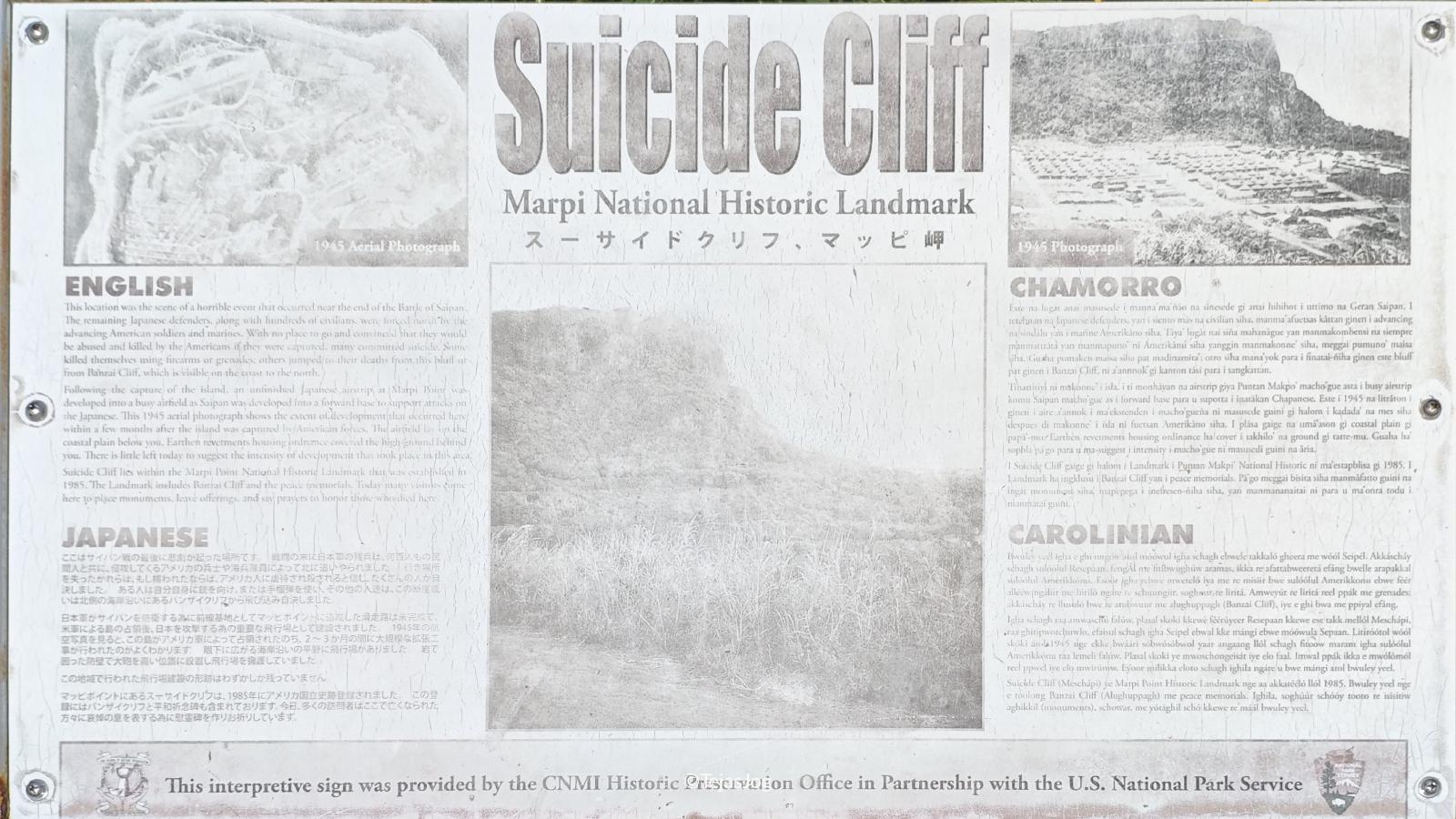
Facing inland, we could also see Suicide Cliff. This was the site where thousands of Japanese civilians and soldiers jumped to their deaths during the final days of the Battle of Saipan in 1944.
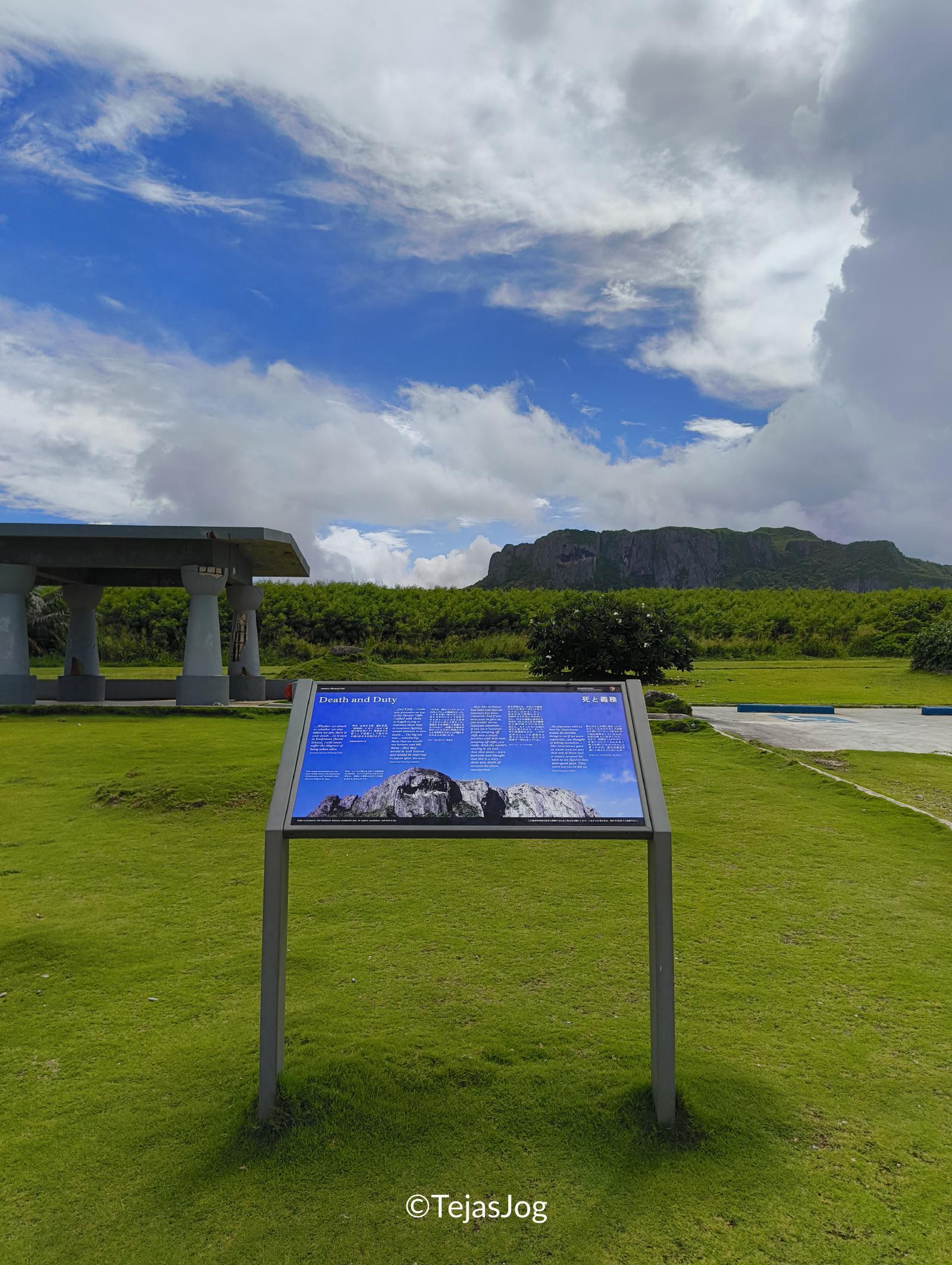
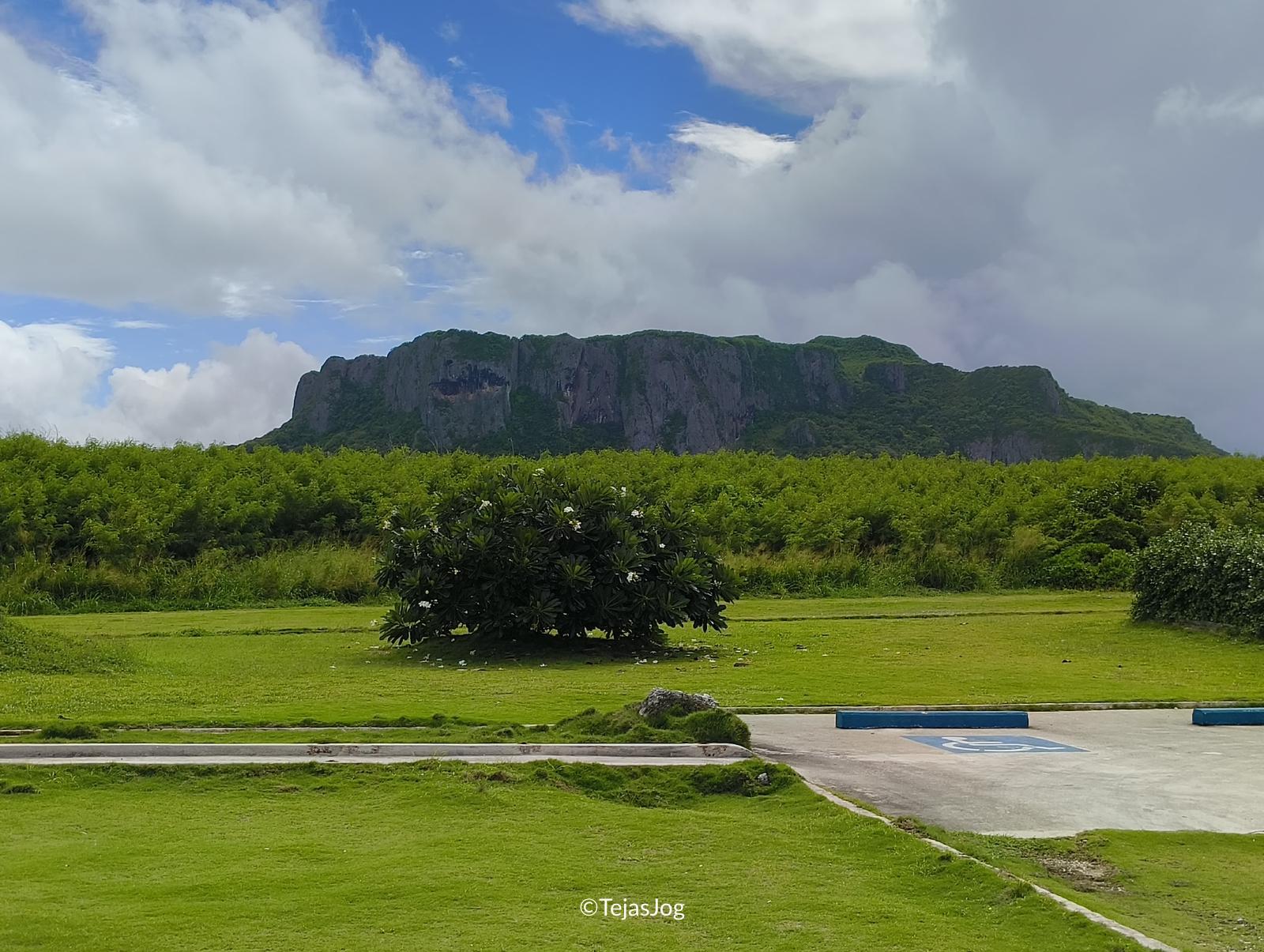
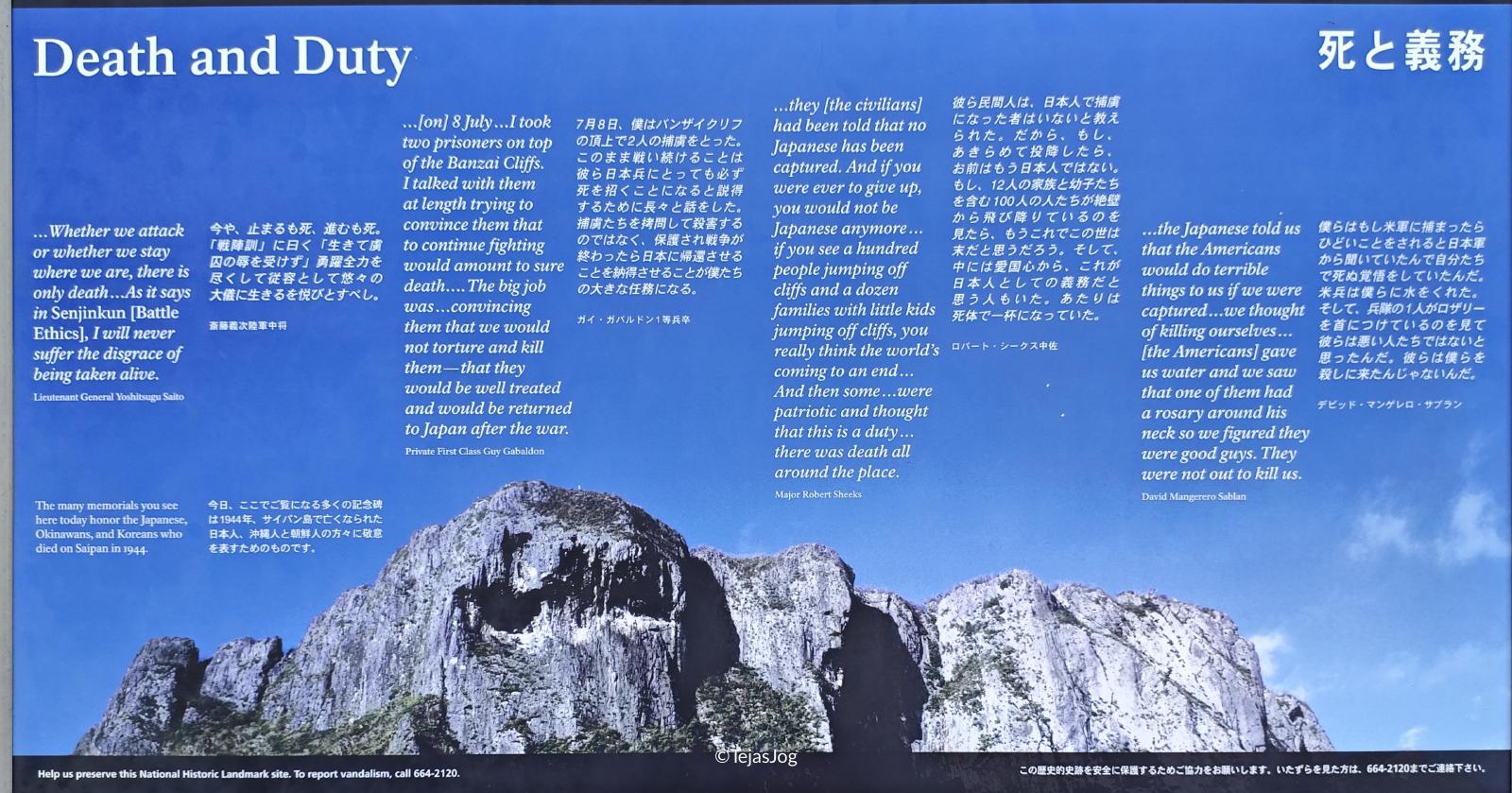
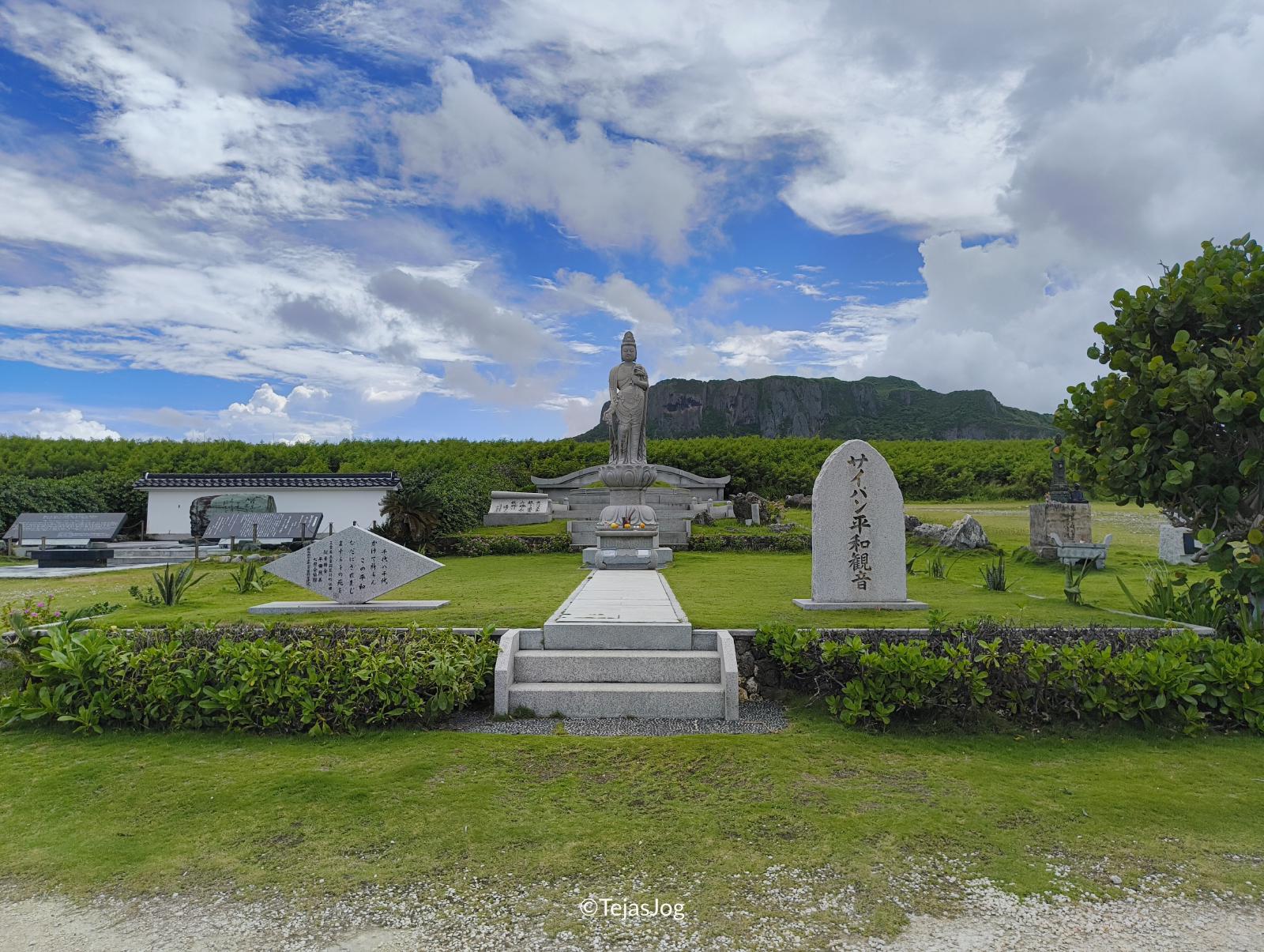
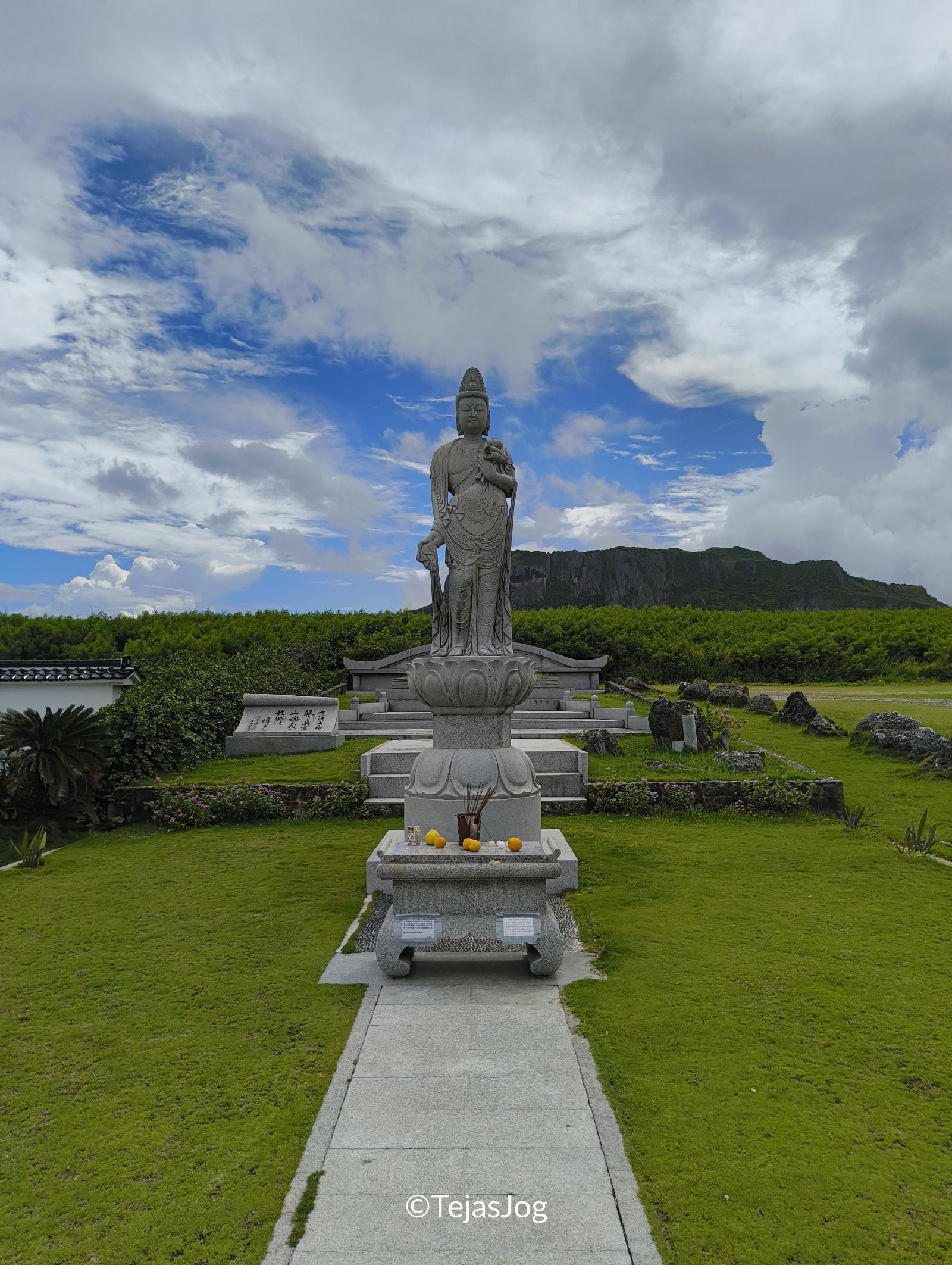
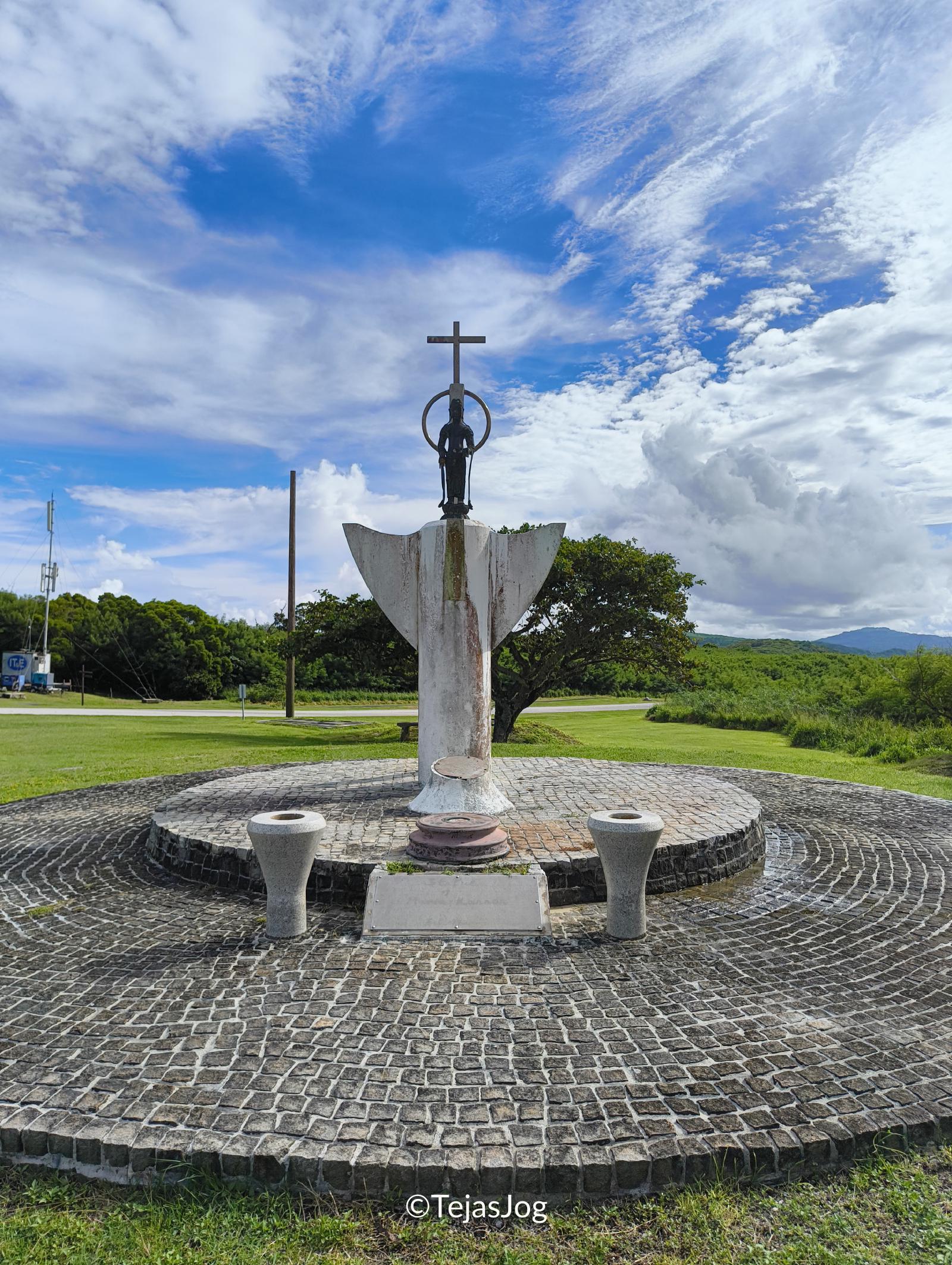
A prominent memorial there featured the Buddhist Goddess of Mercy (Kannon) overlooking the sea to offer spiritual protection for those lost.
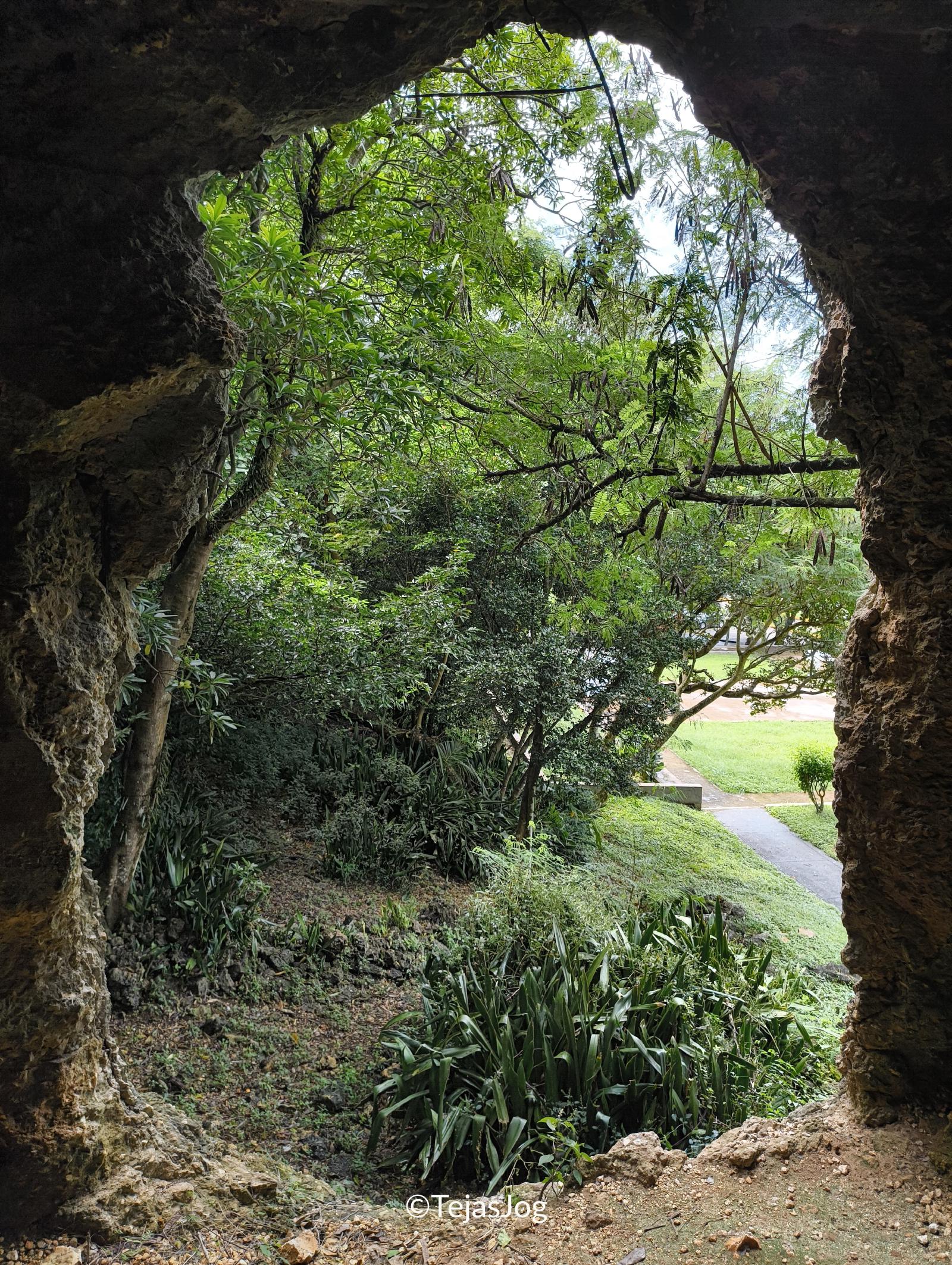
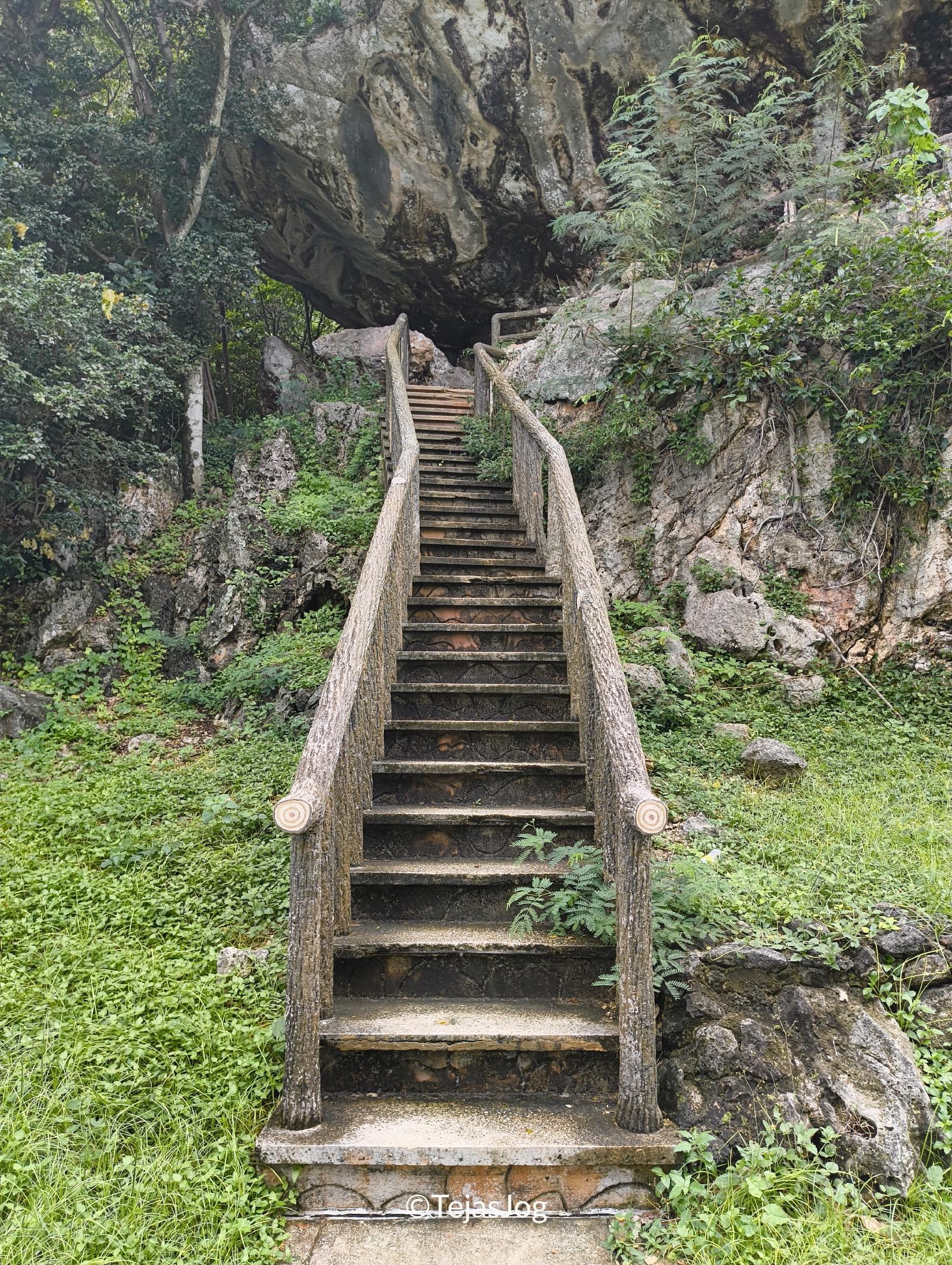
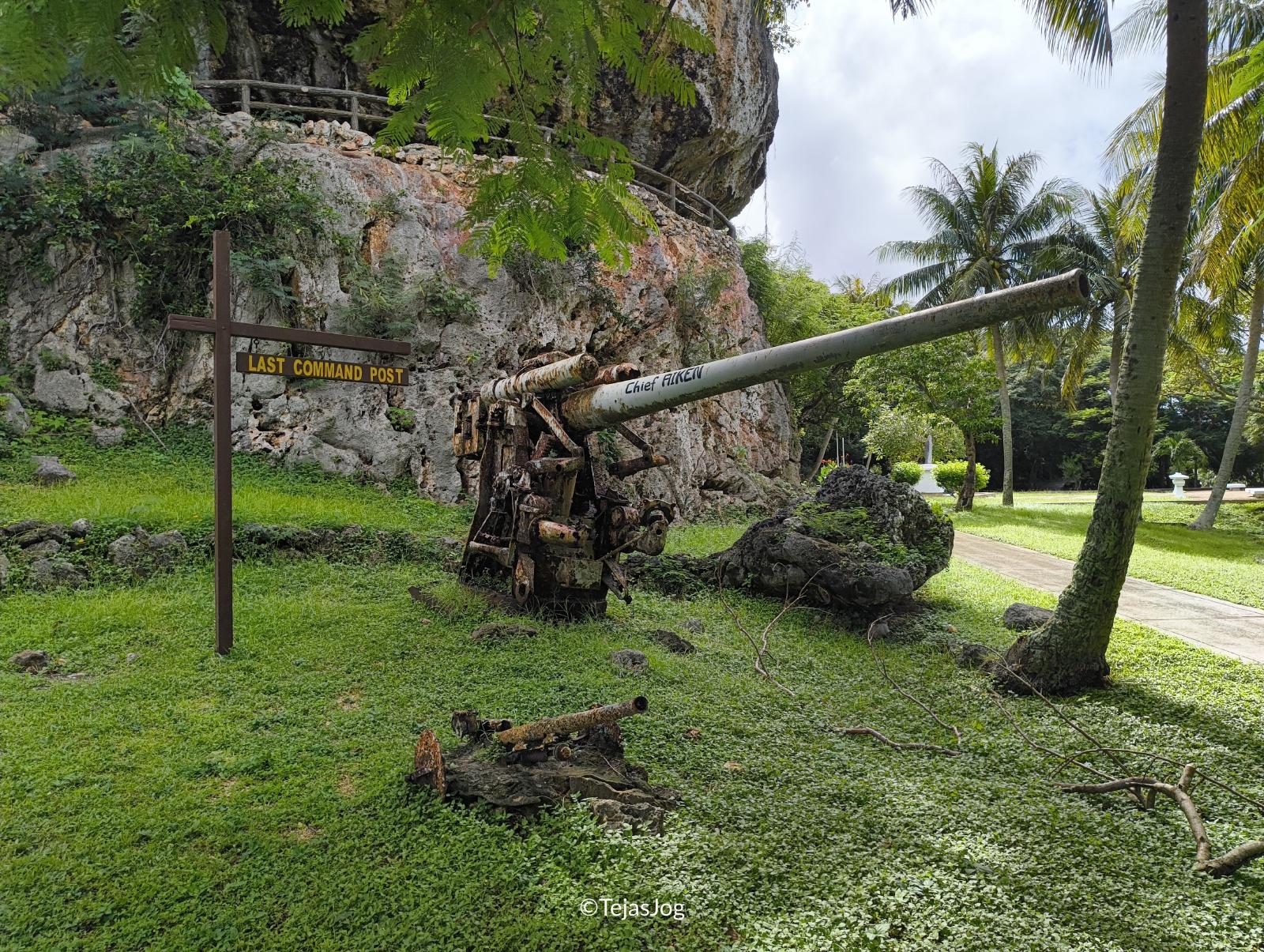
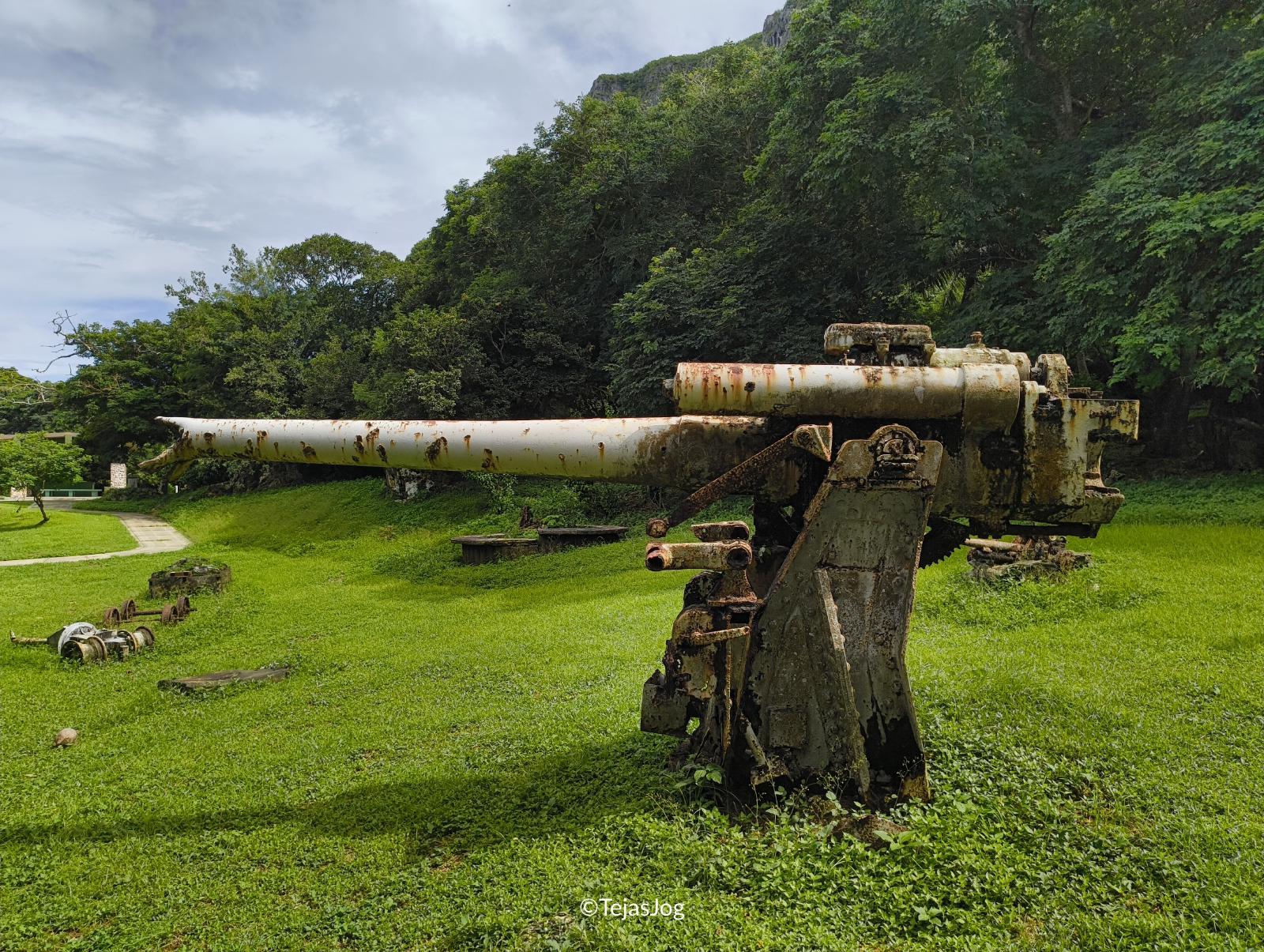
Next, we stopped to see the Last Japanese Command Post which served as the final operational headquarters for the Japanese military during the U.S. invasion in 1944. The post is built into a natural limestone cave and is now surrounded by an open-air display of rusted WWII relics like anti-aircraft guns.
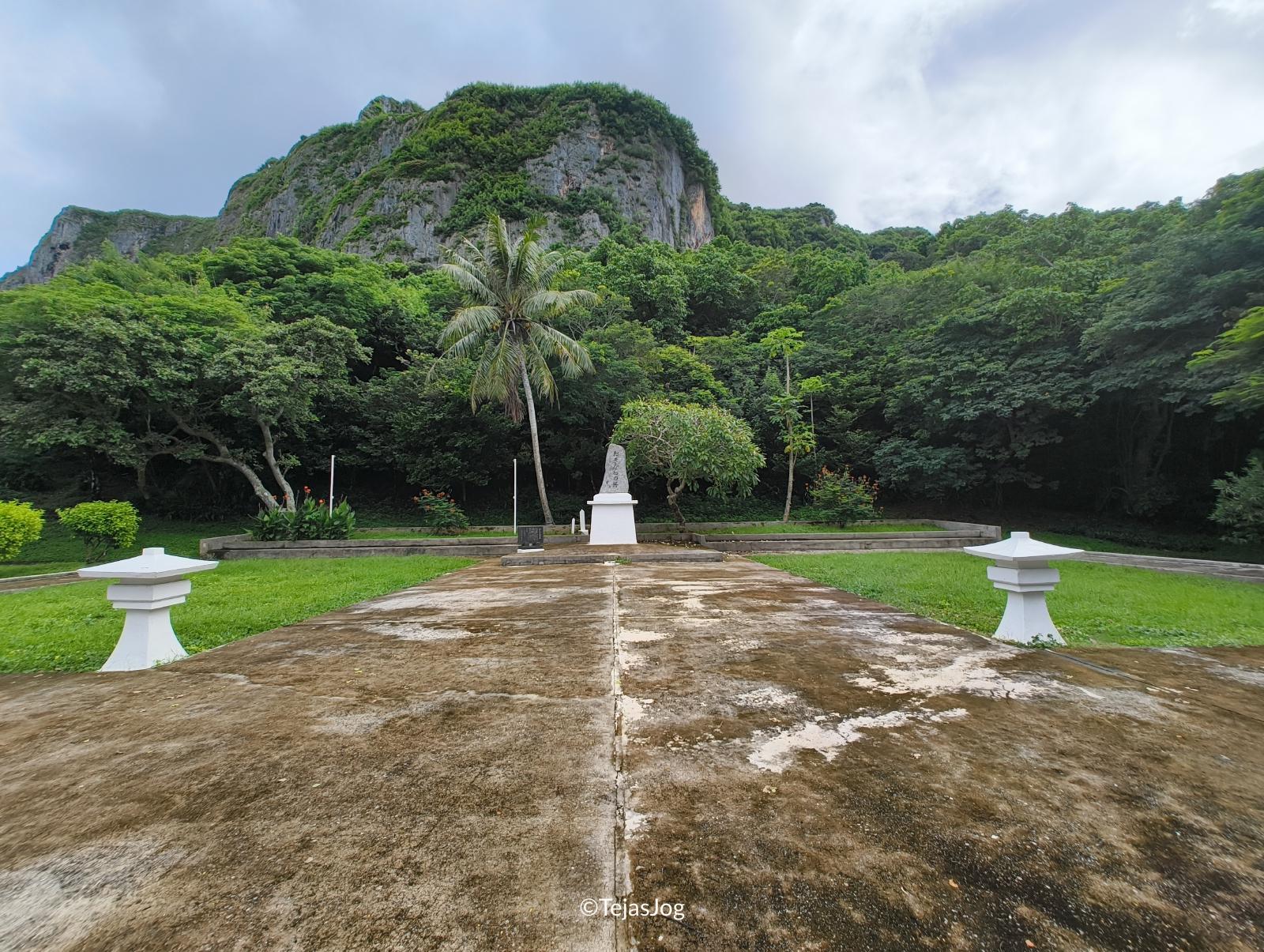
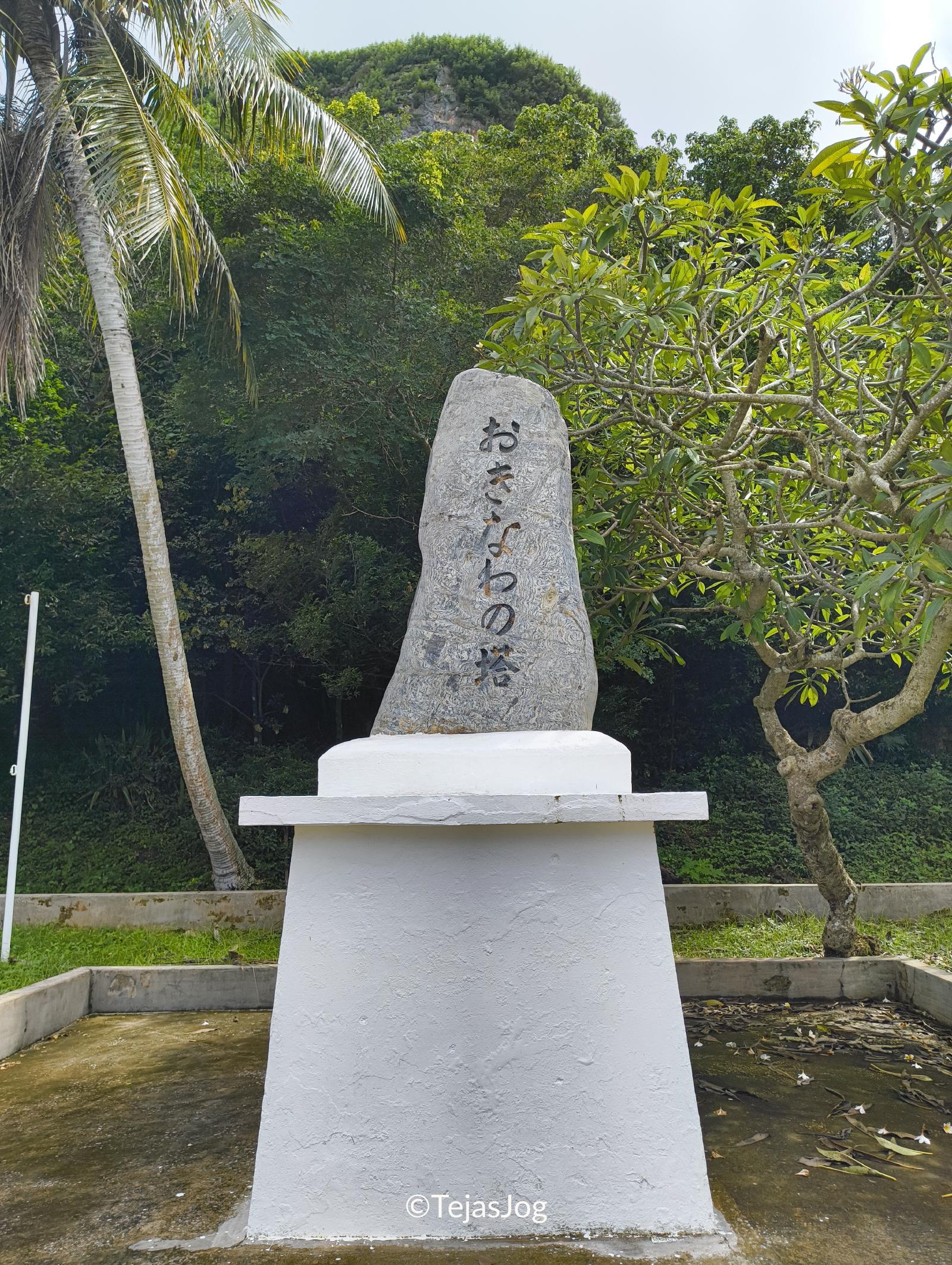
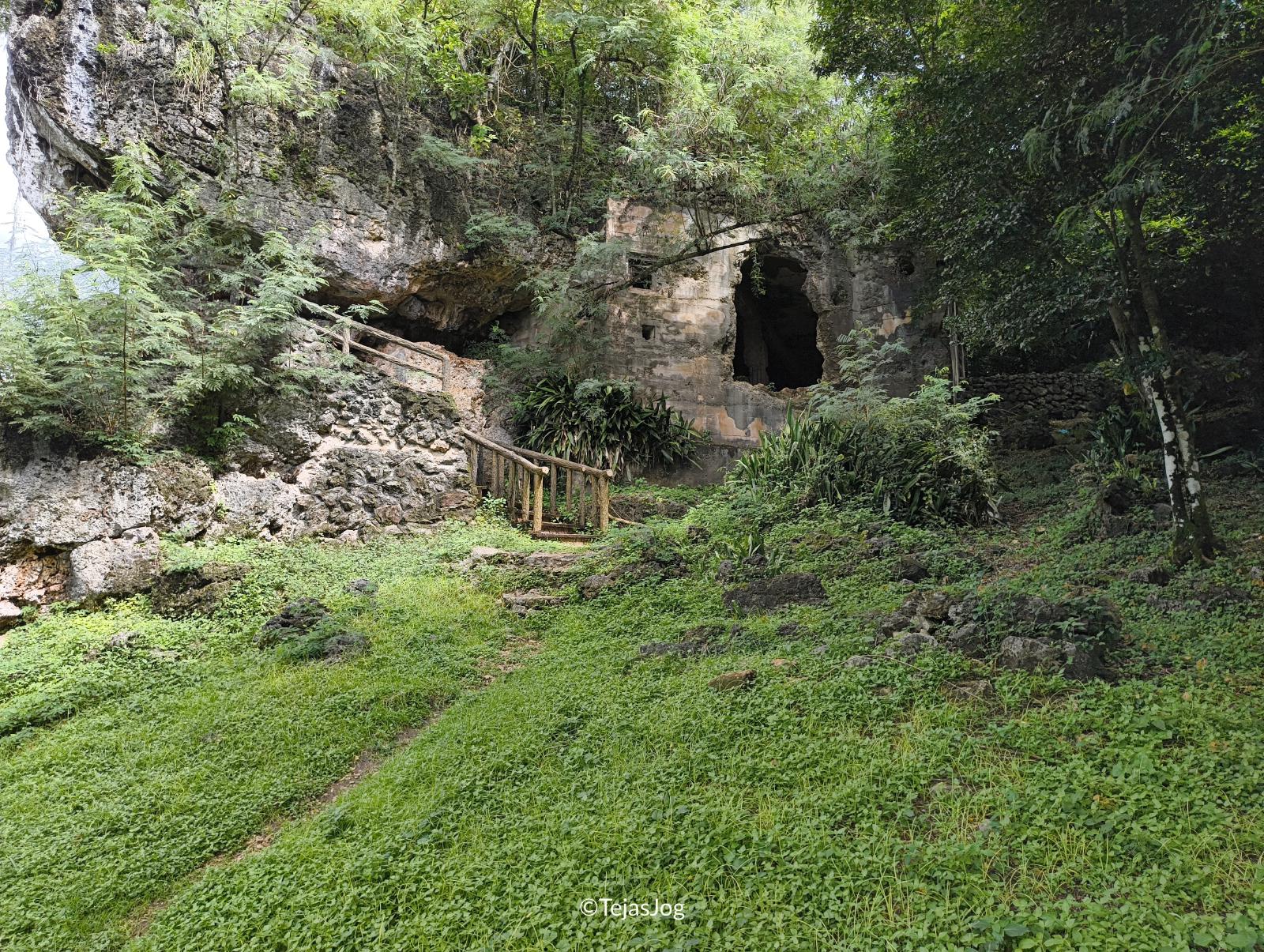
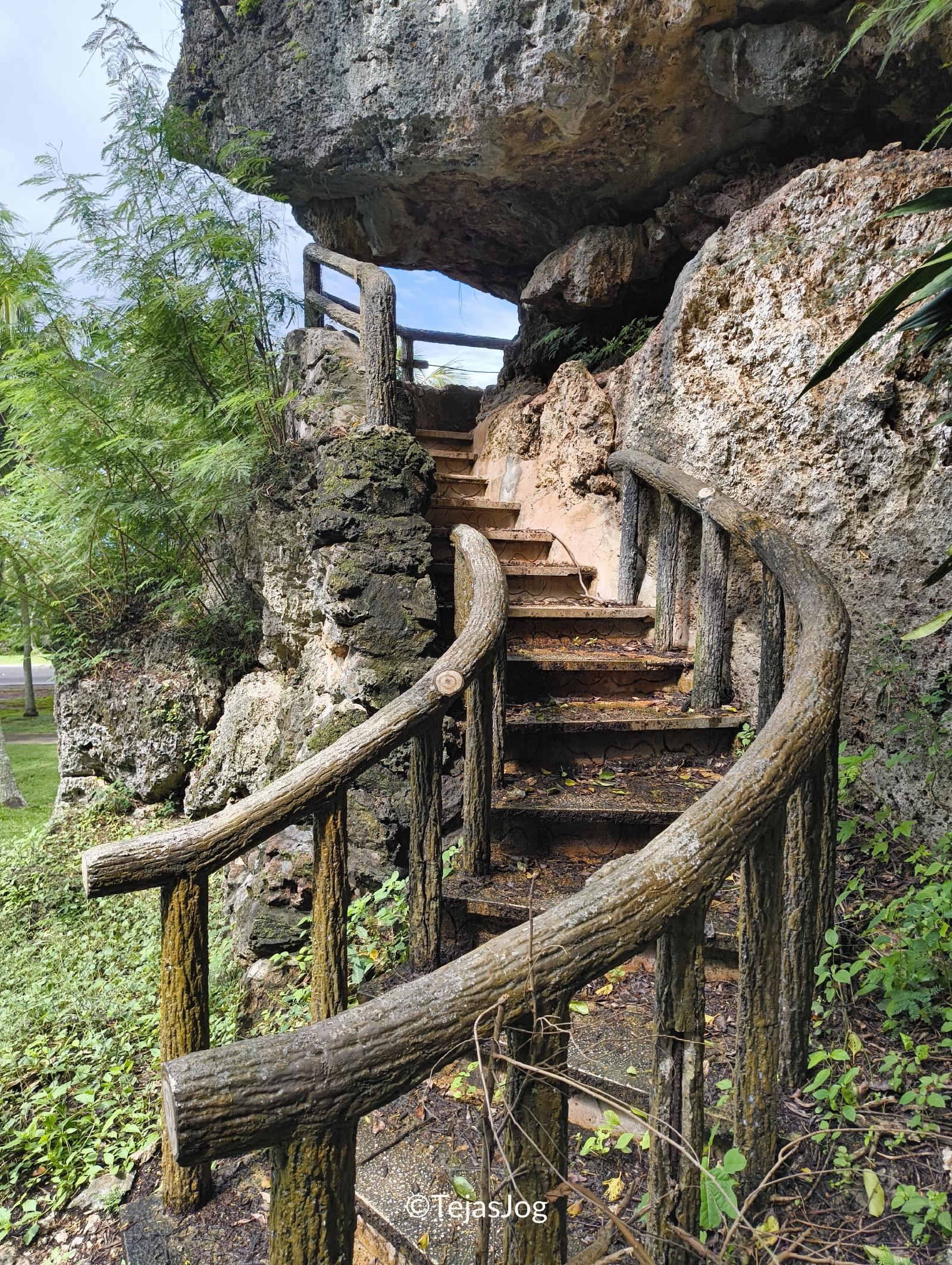
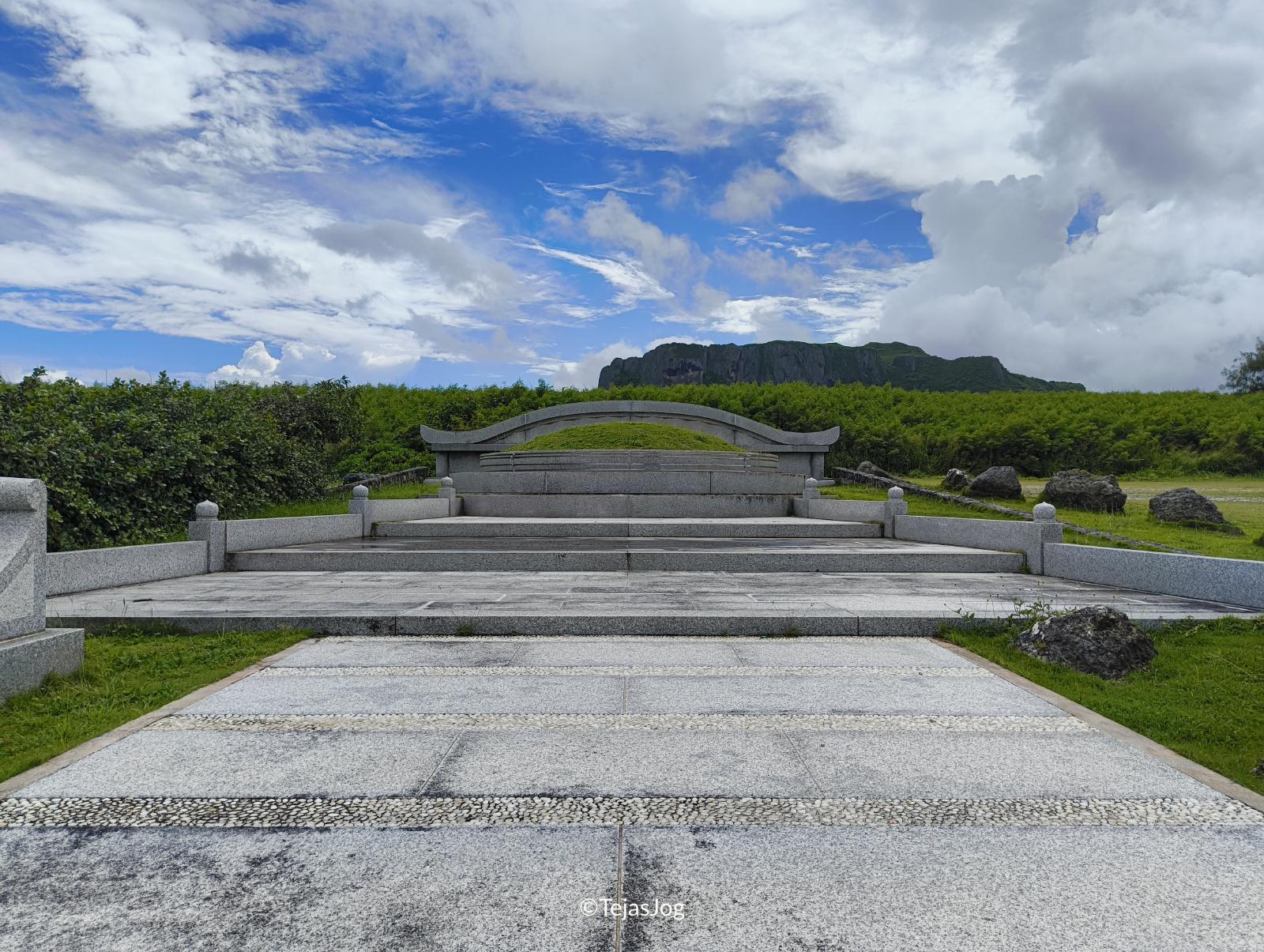
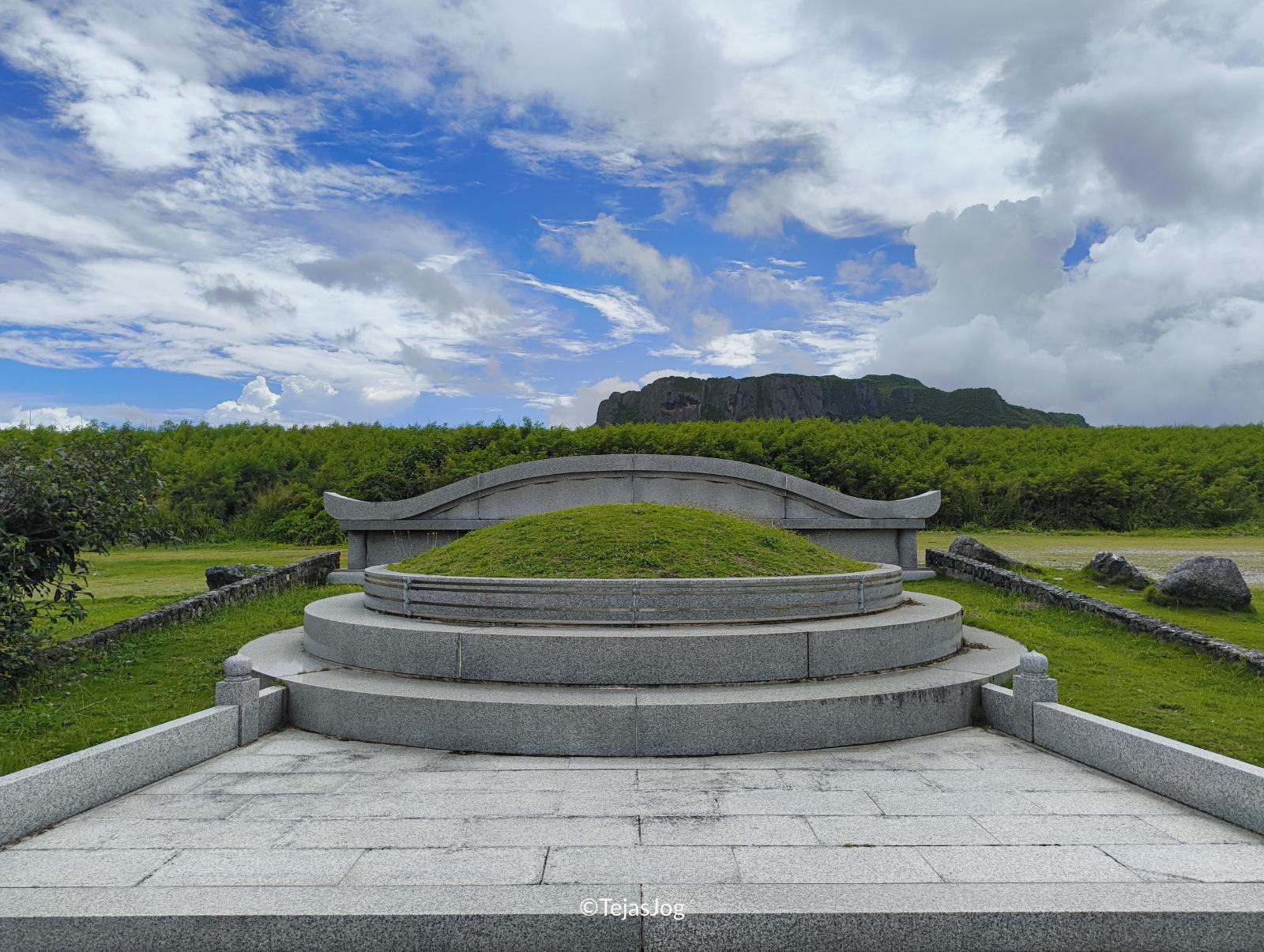
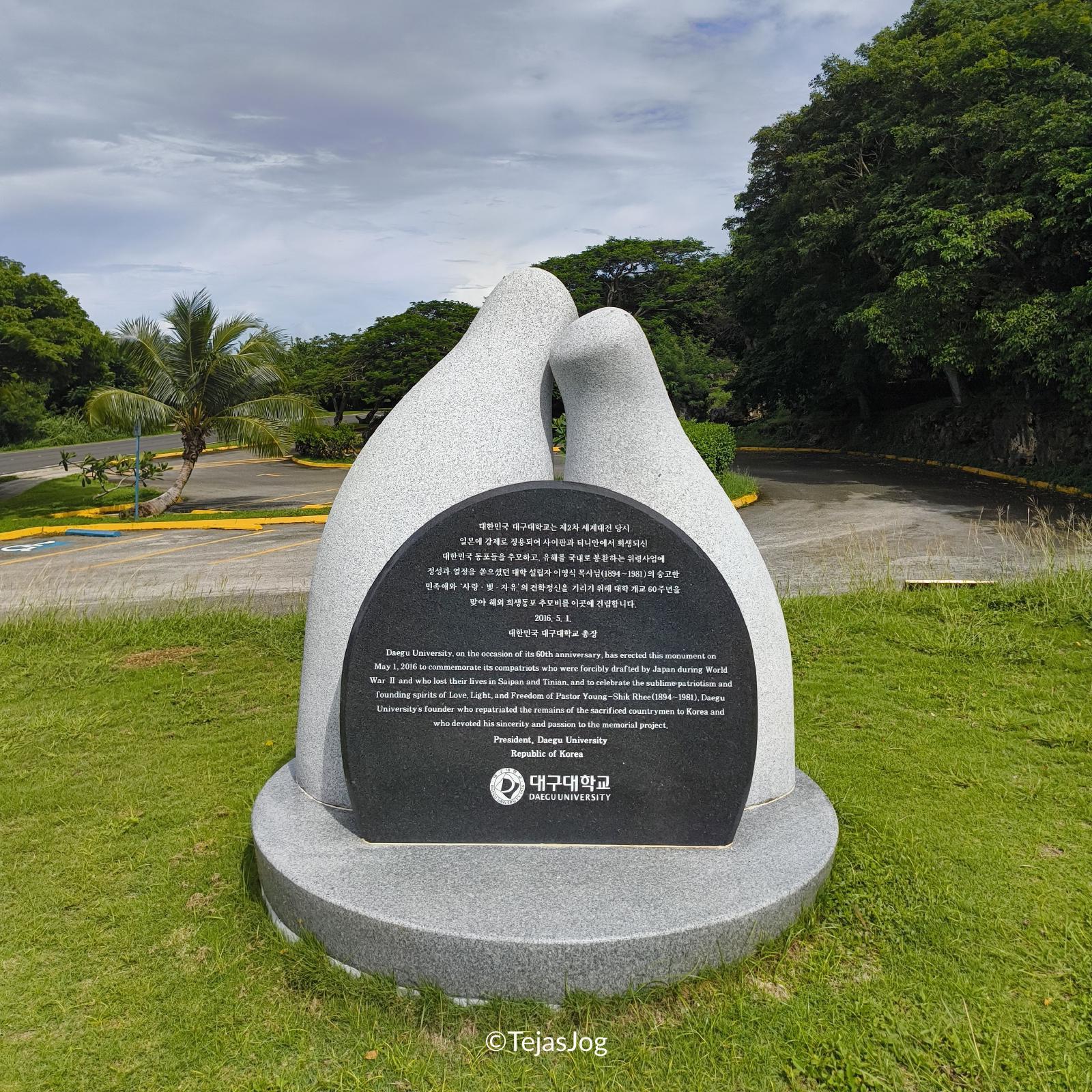
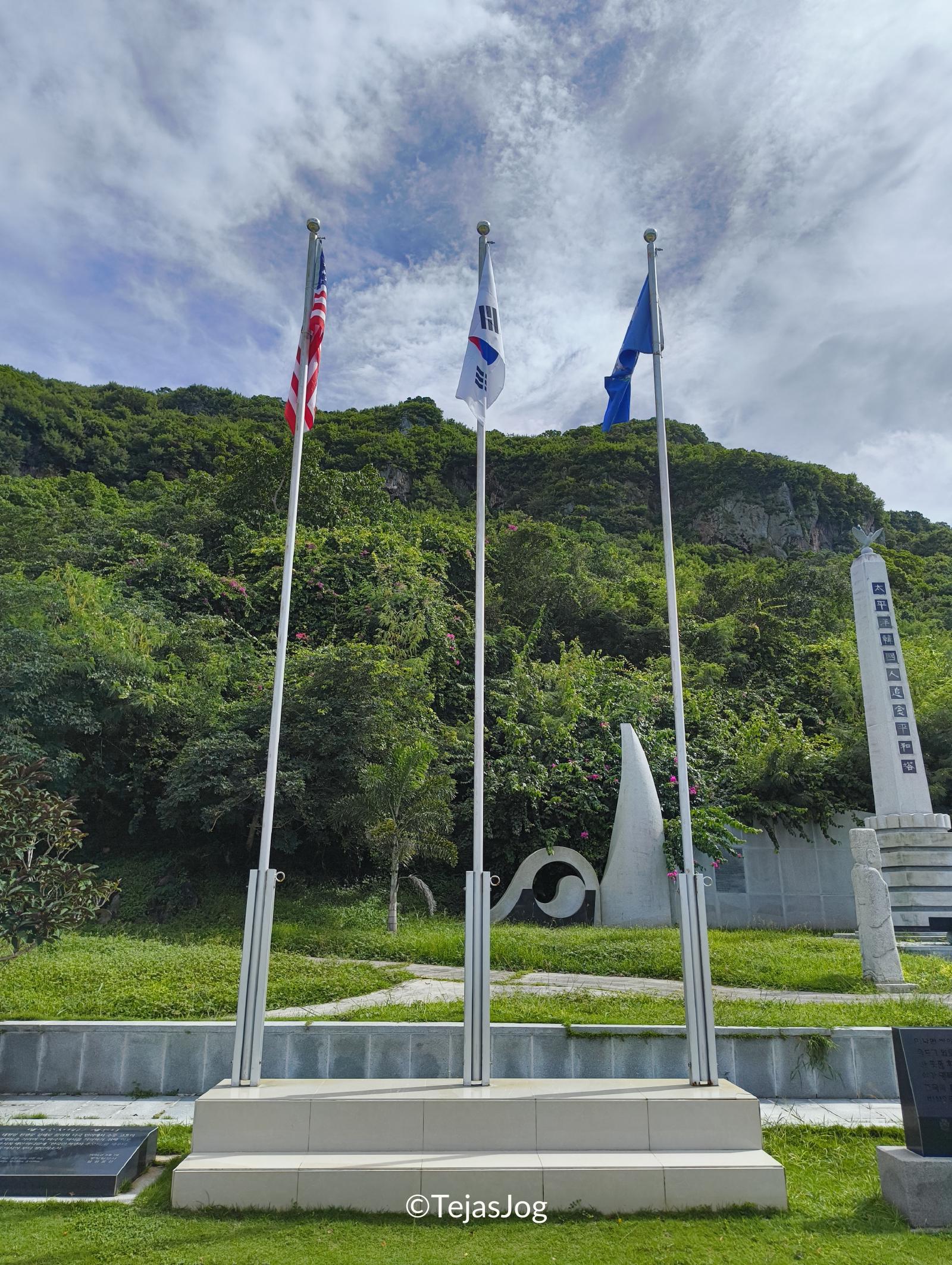
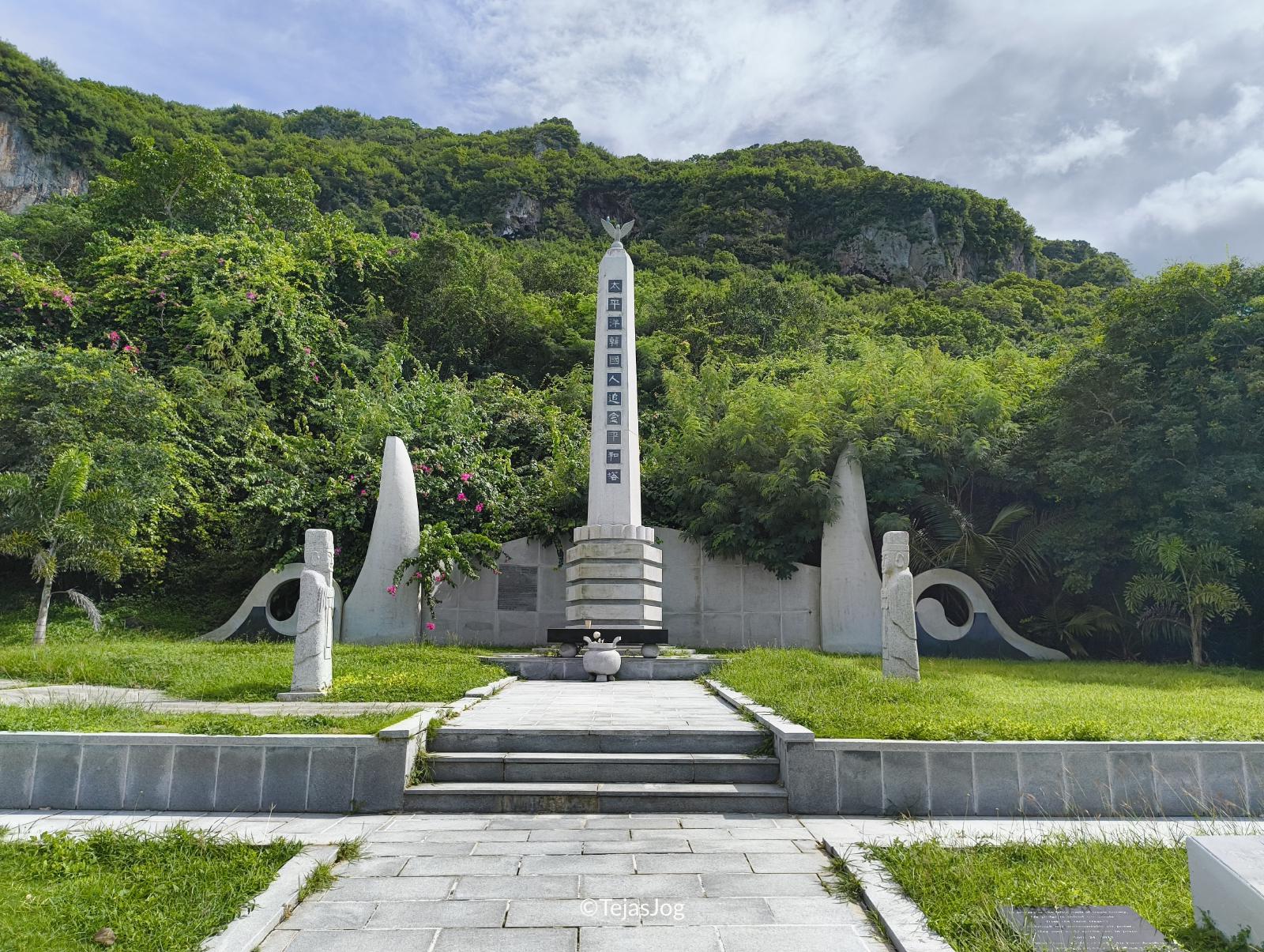
We saw the Korean Peace Memorial, a commemorative site and tribute to the thousands of Koreans who were brought to the island during the Japanese administration and lost their lives during World War II. Notably, the memorial is oriented to face northwest, toward the Korean Peninsula, to symbolically look back at the homeland the victims were taken from.
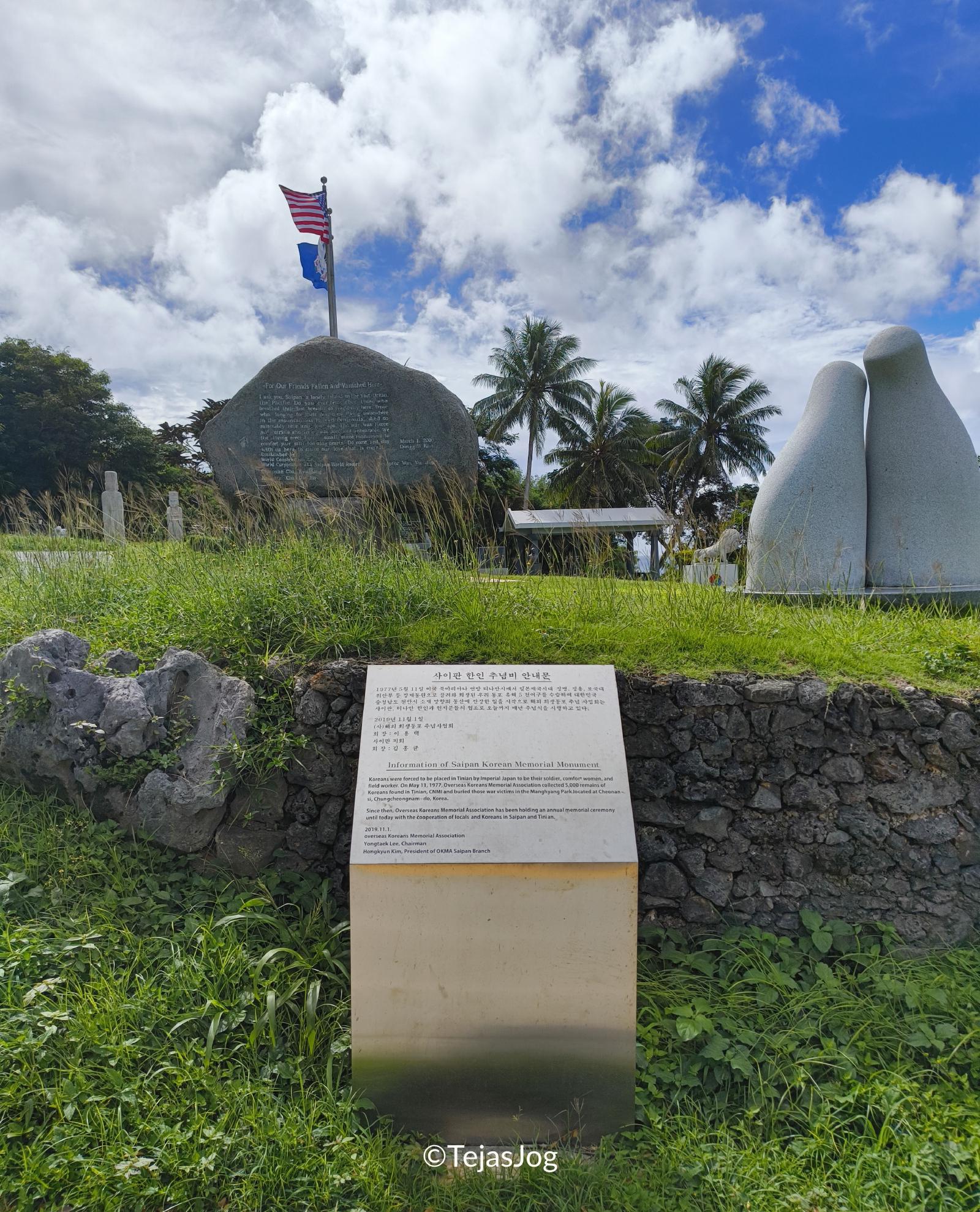
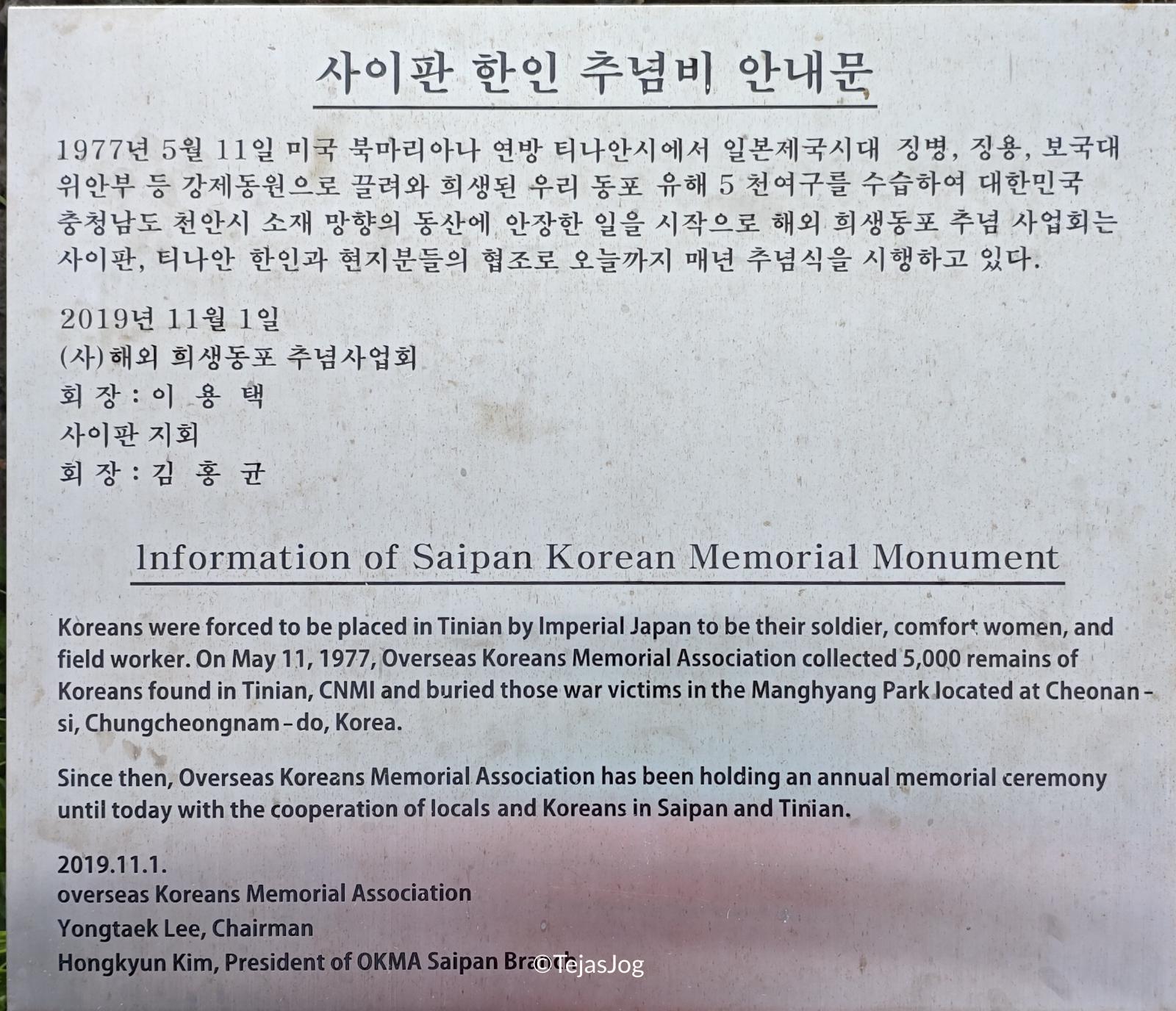
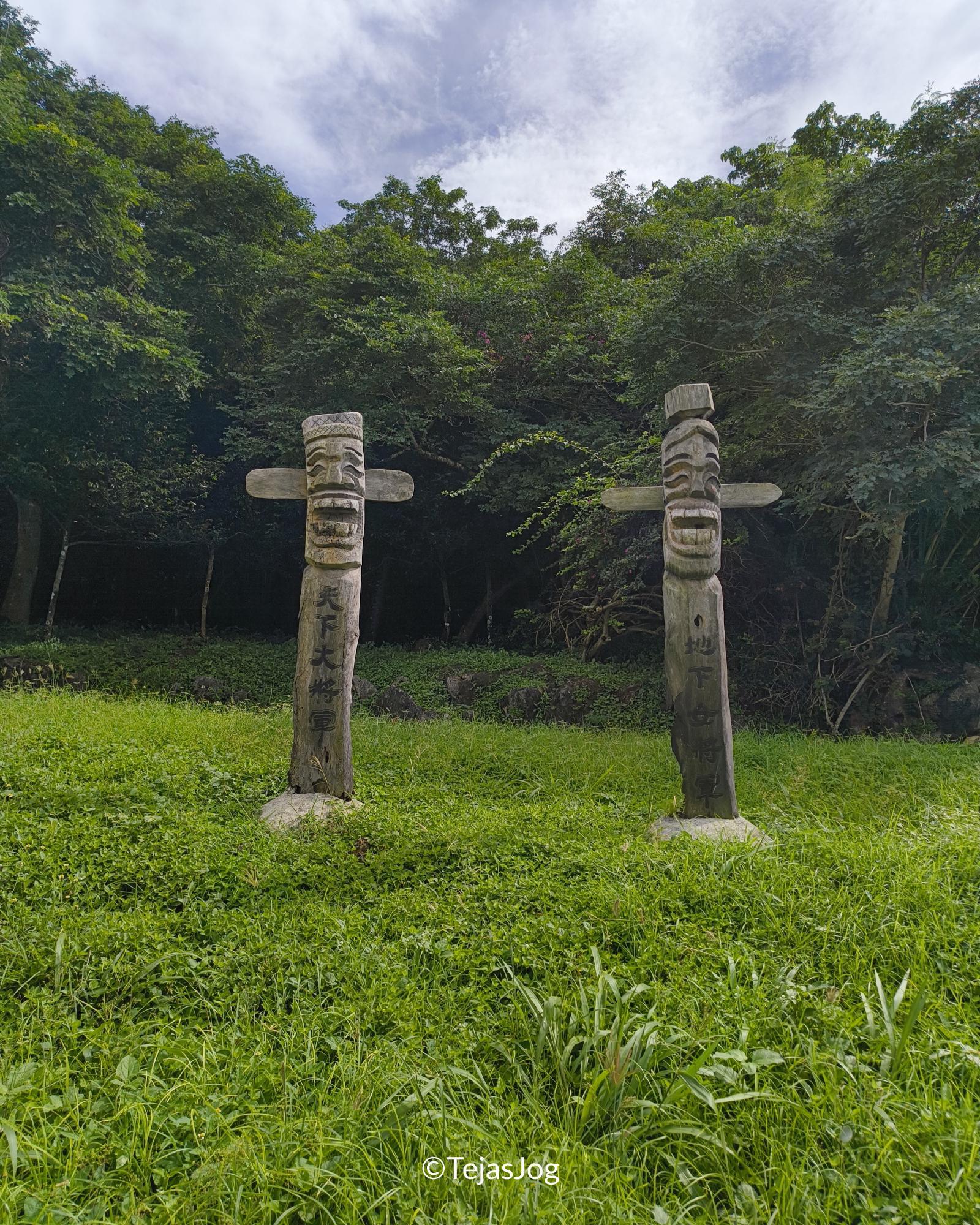
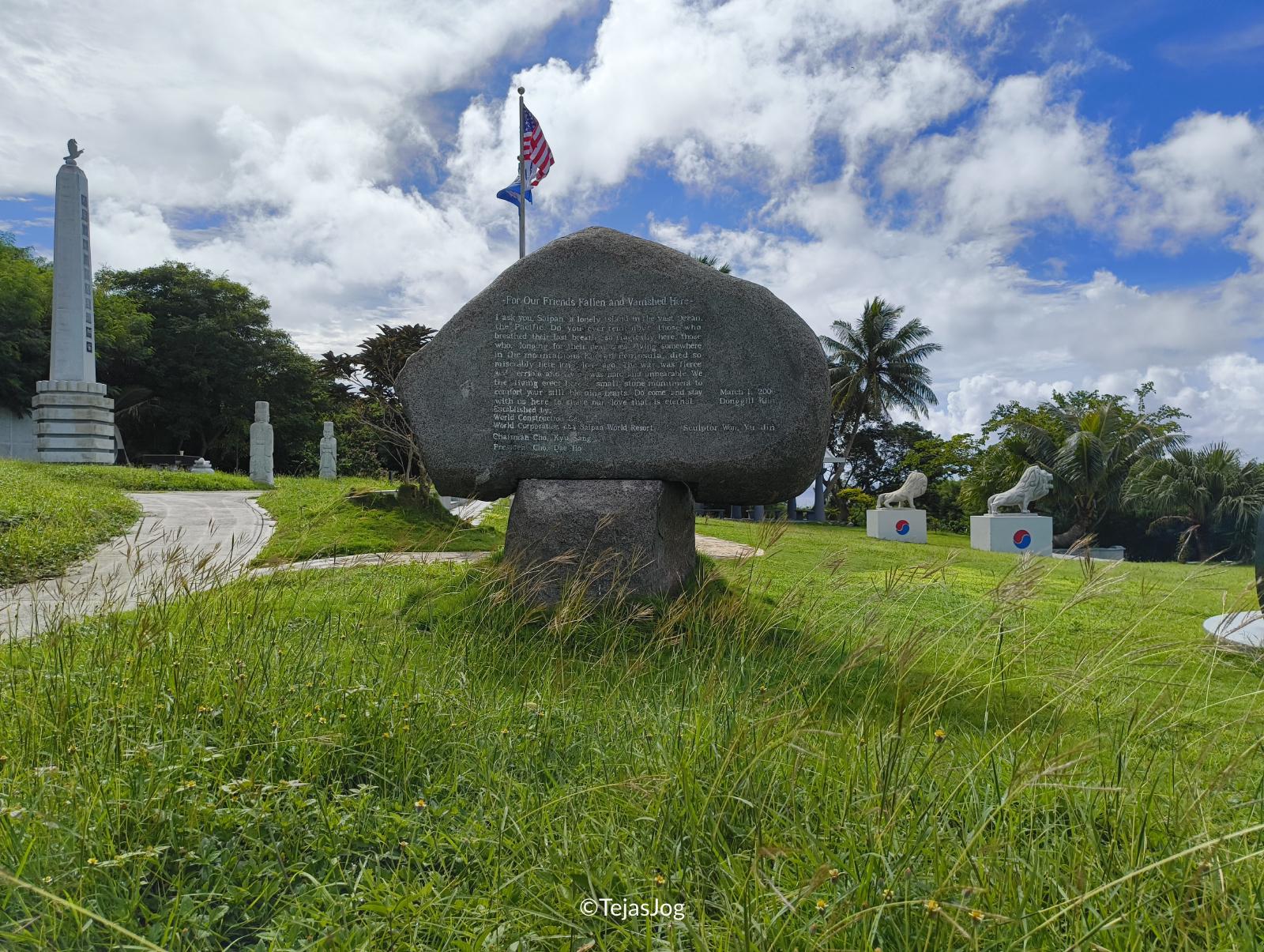
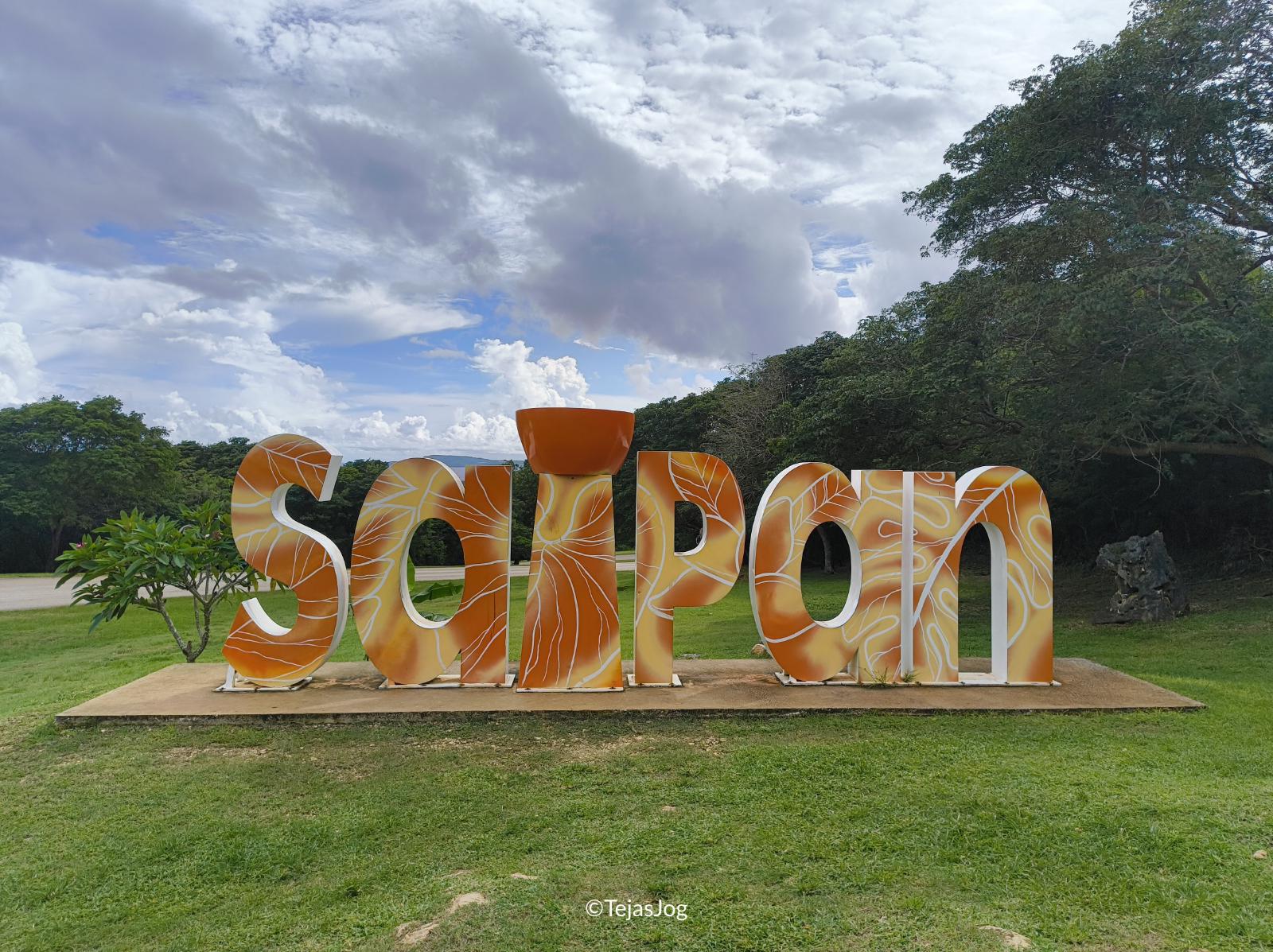
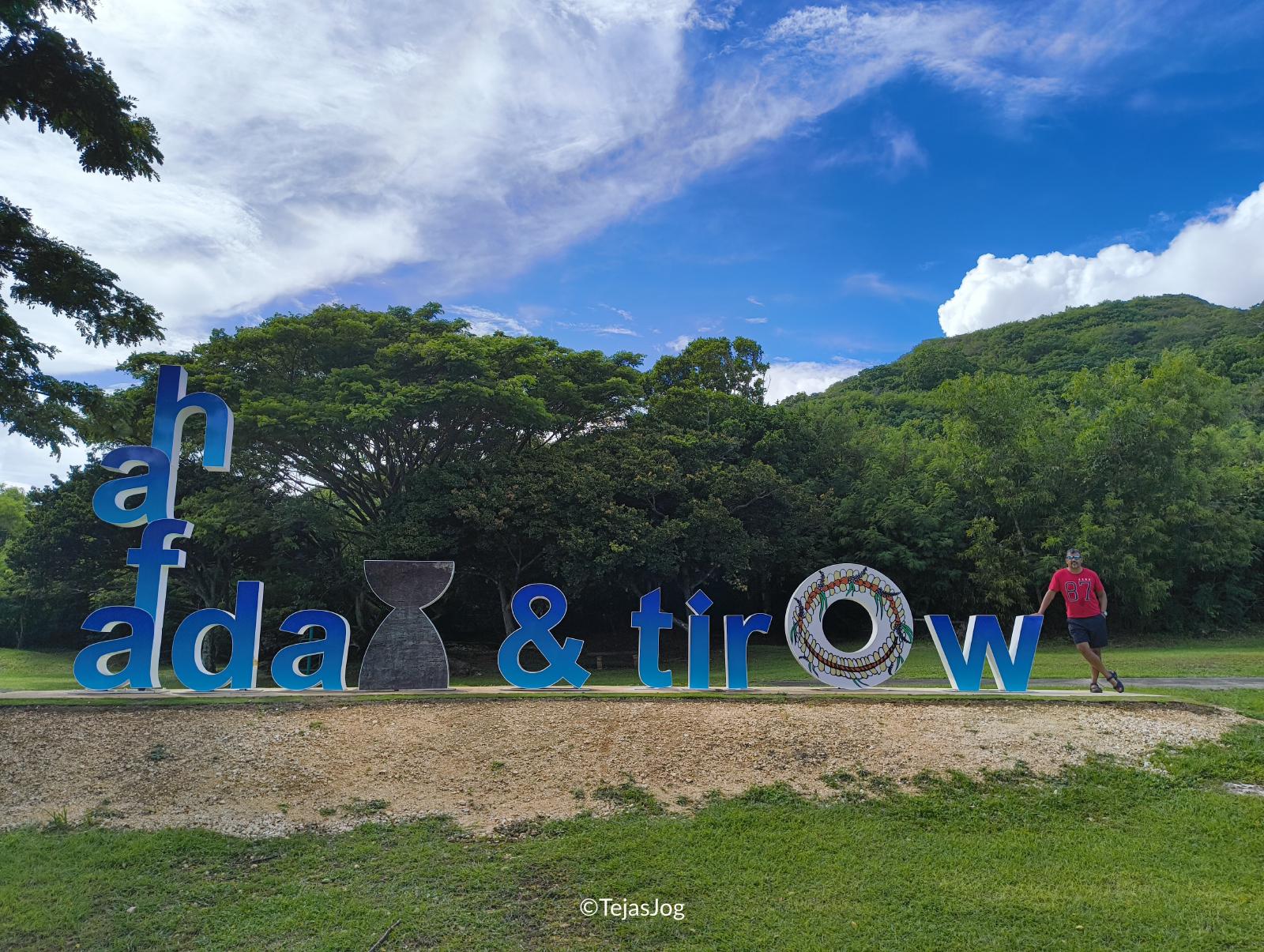
We started driving to the top of Suicide Cliff and stopped to see the Instagrammable Saipan sign on the way. We also saw the Hafa Adai & Tirow sign which features the two indigenous greetings of the Northern Mariana Islands: “Hafa Adai” (Chamorro) and “Tirow” (Carolinian).
We followed the road to the top where viewing platforms offered a 360-degree view of northern Saipan, including the USA Veterans Cemetery and Banzai Cliff below. This location represented the last defensive line for the Japanese high command before the island was declared secure by U.S. forces.
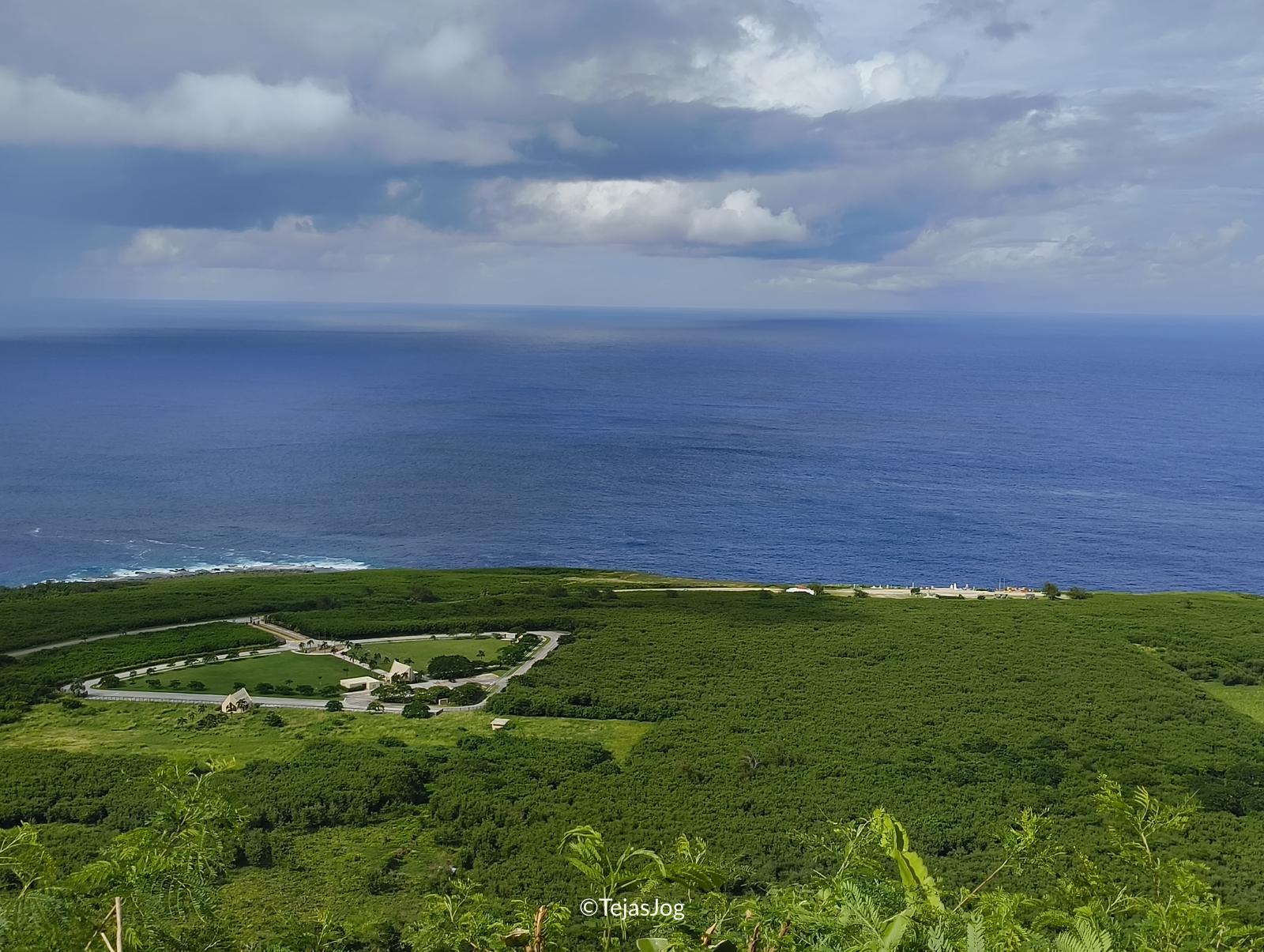
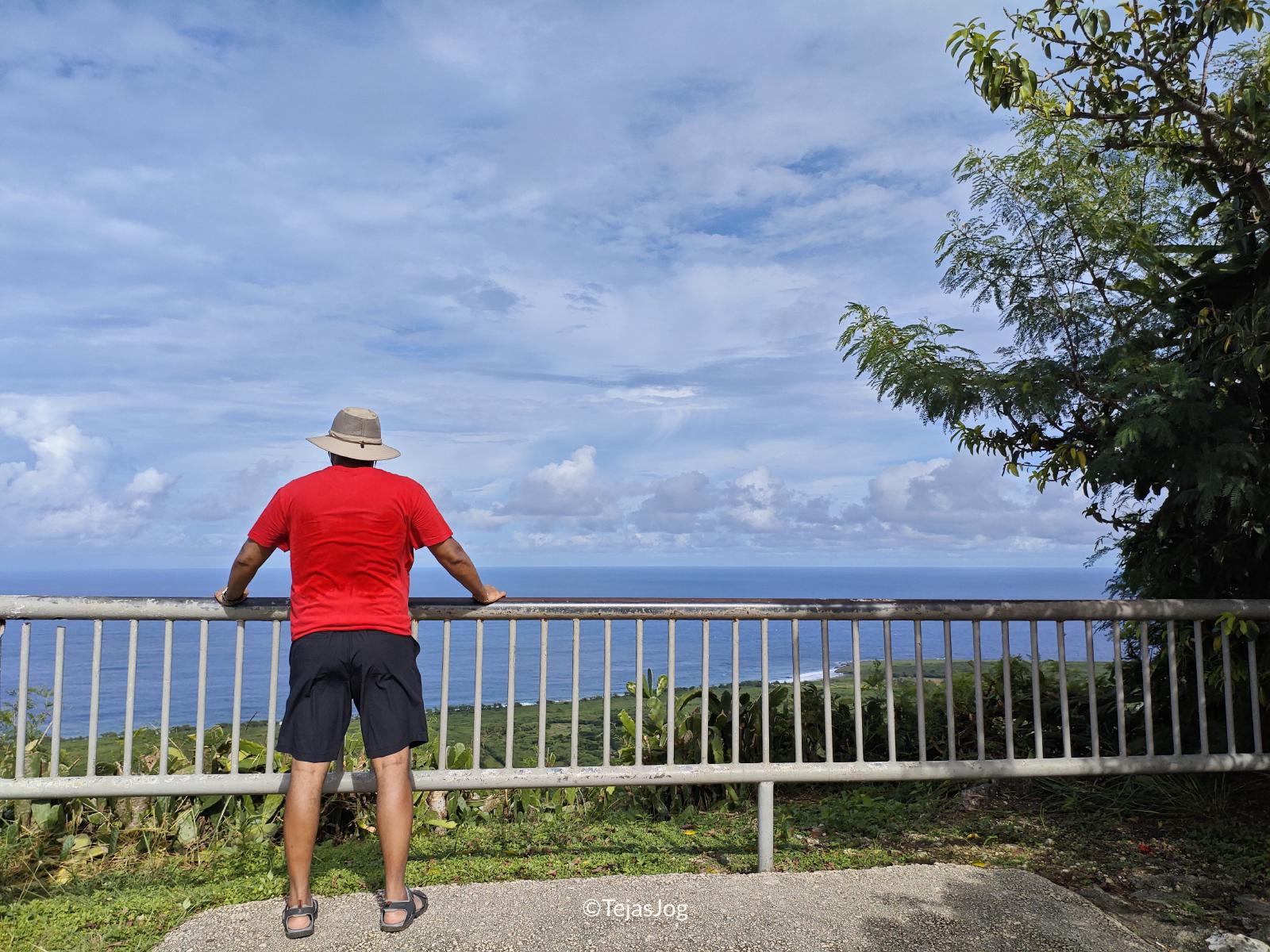
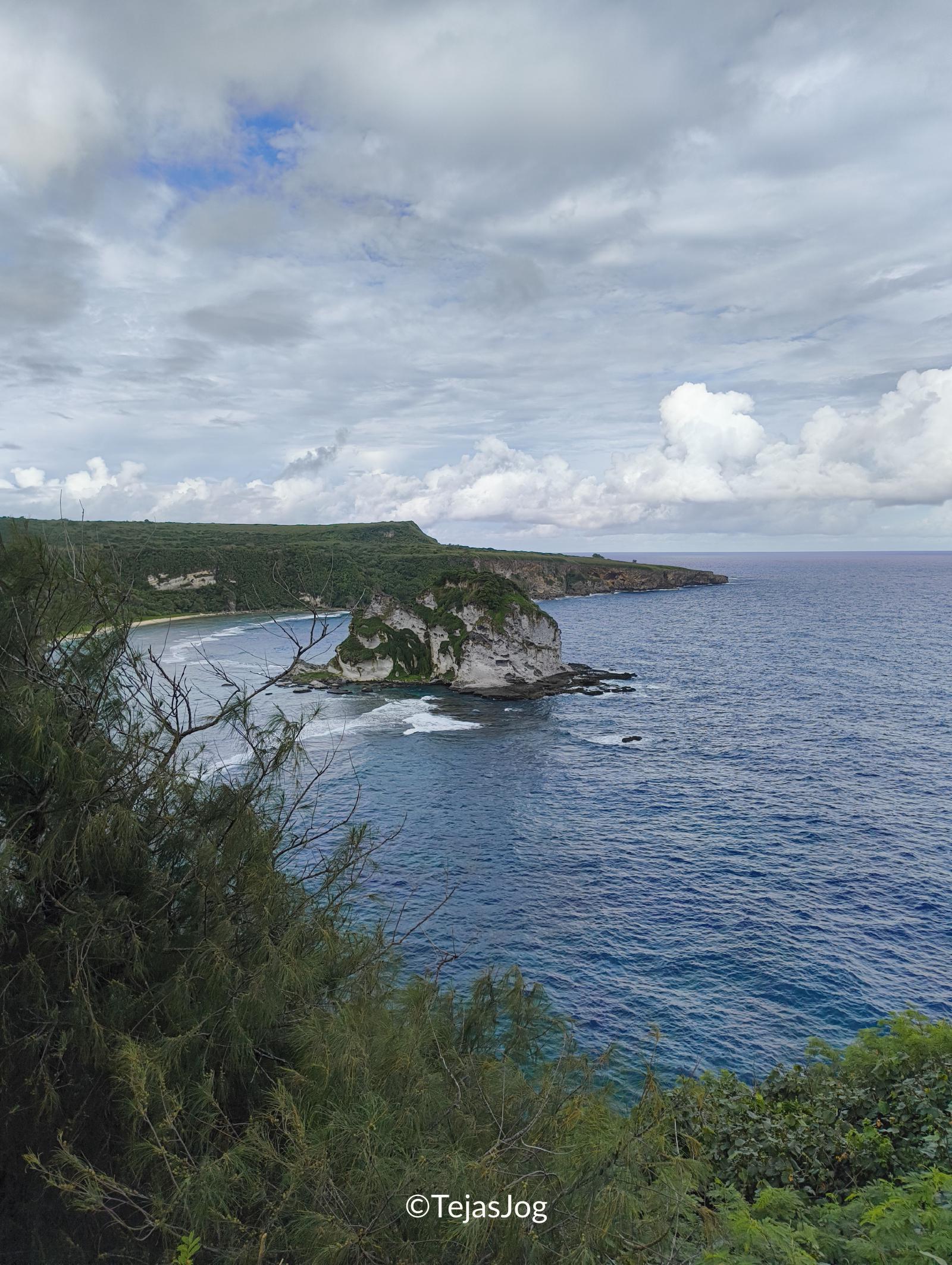
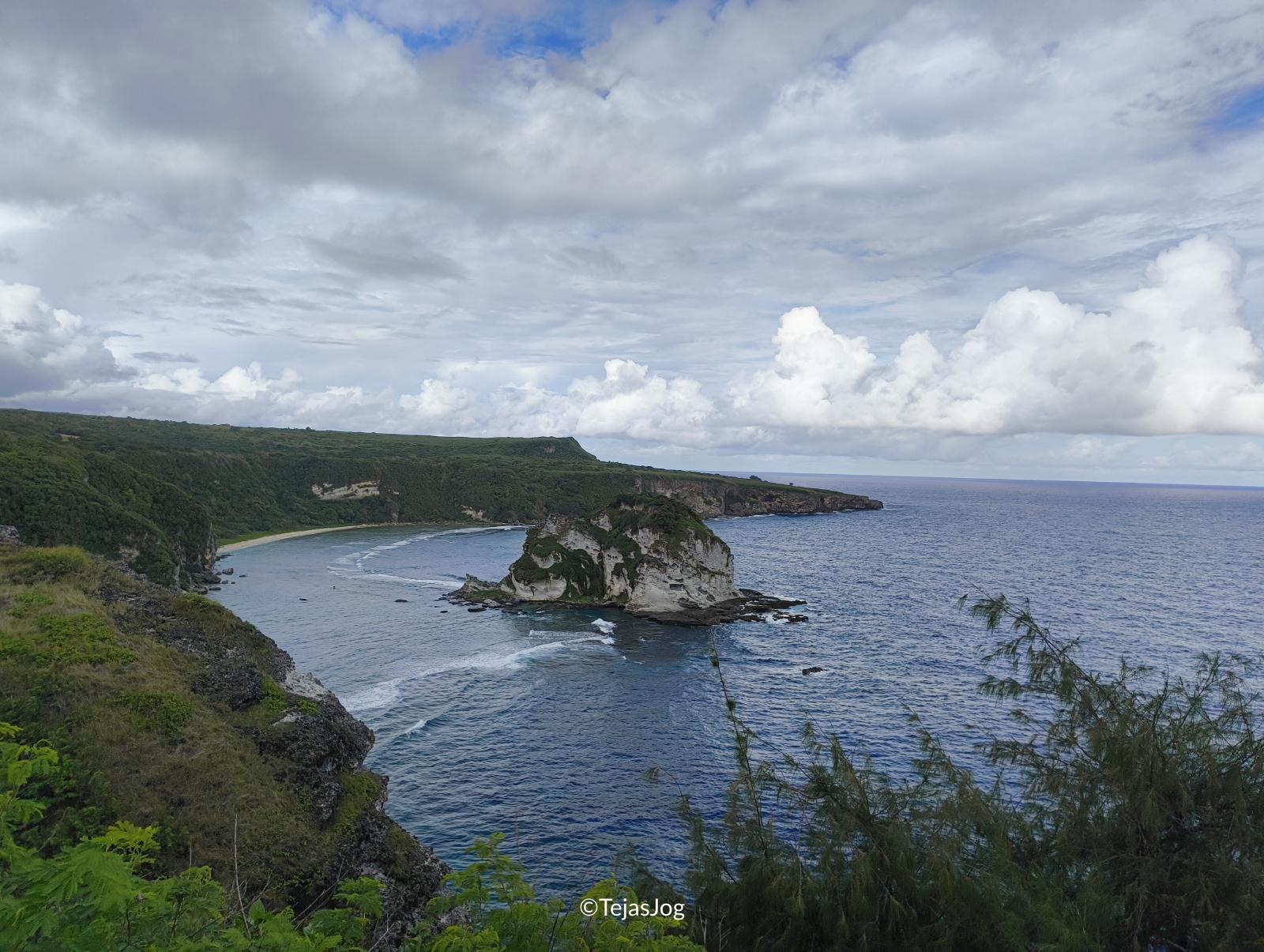
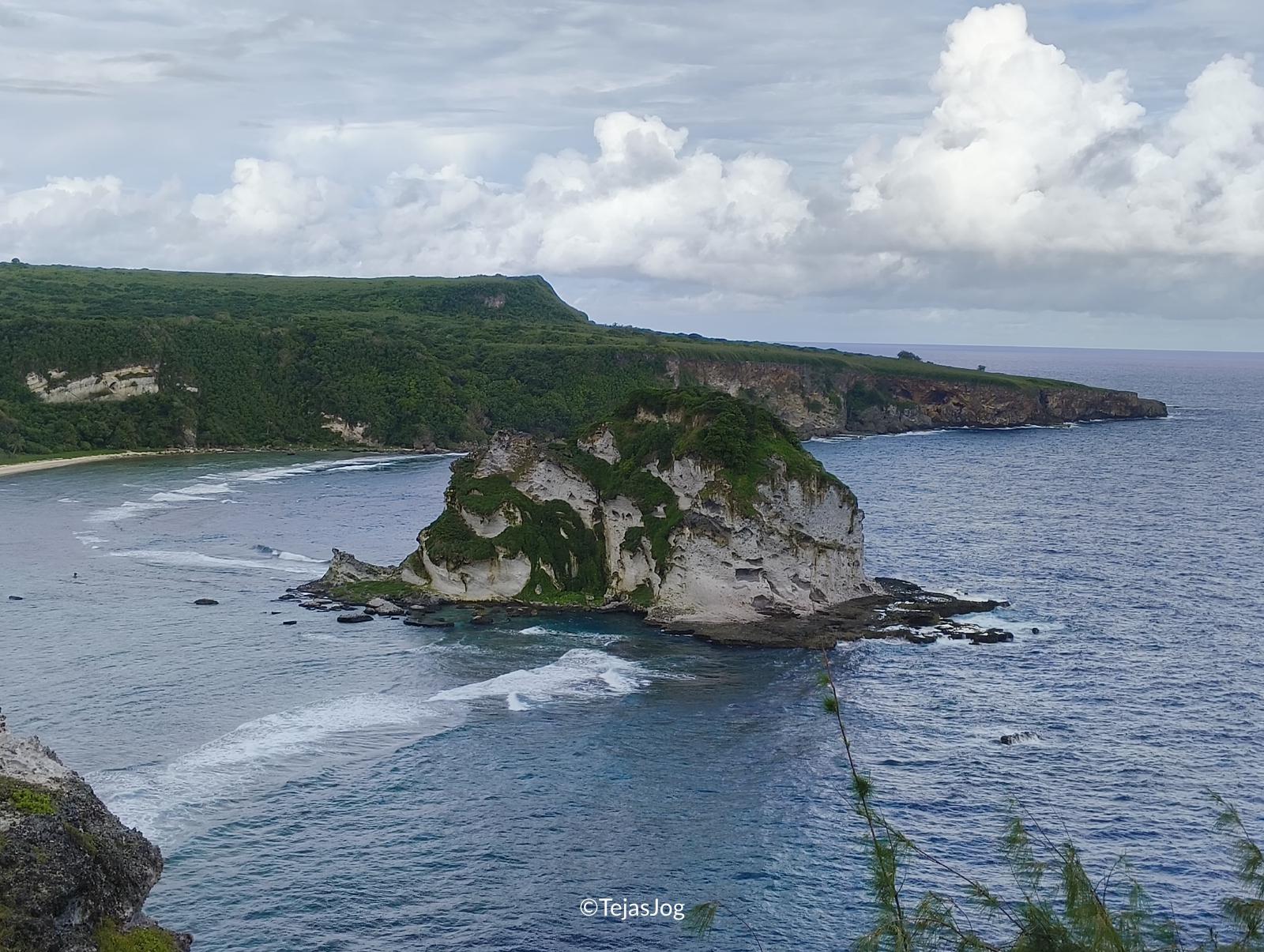
Next, we drove to the Bird Island Lookout located on the island’s northeast coast. It provided a nice view of Bird Island (locally known as Isleta Maigo Fanhang), which is in a protected marine sanctuary.
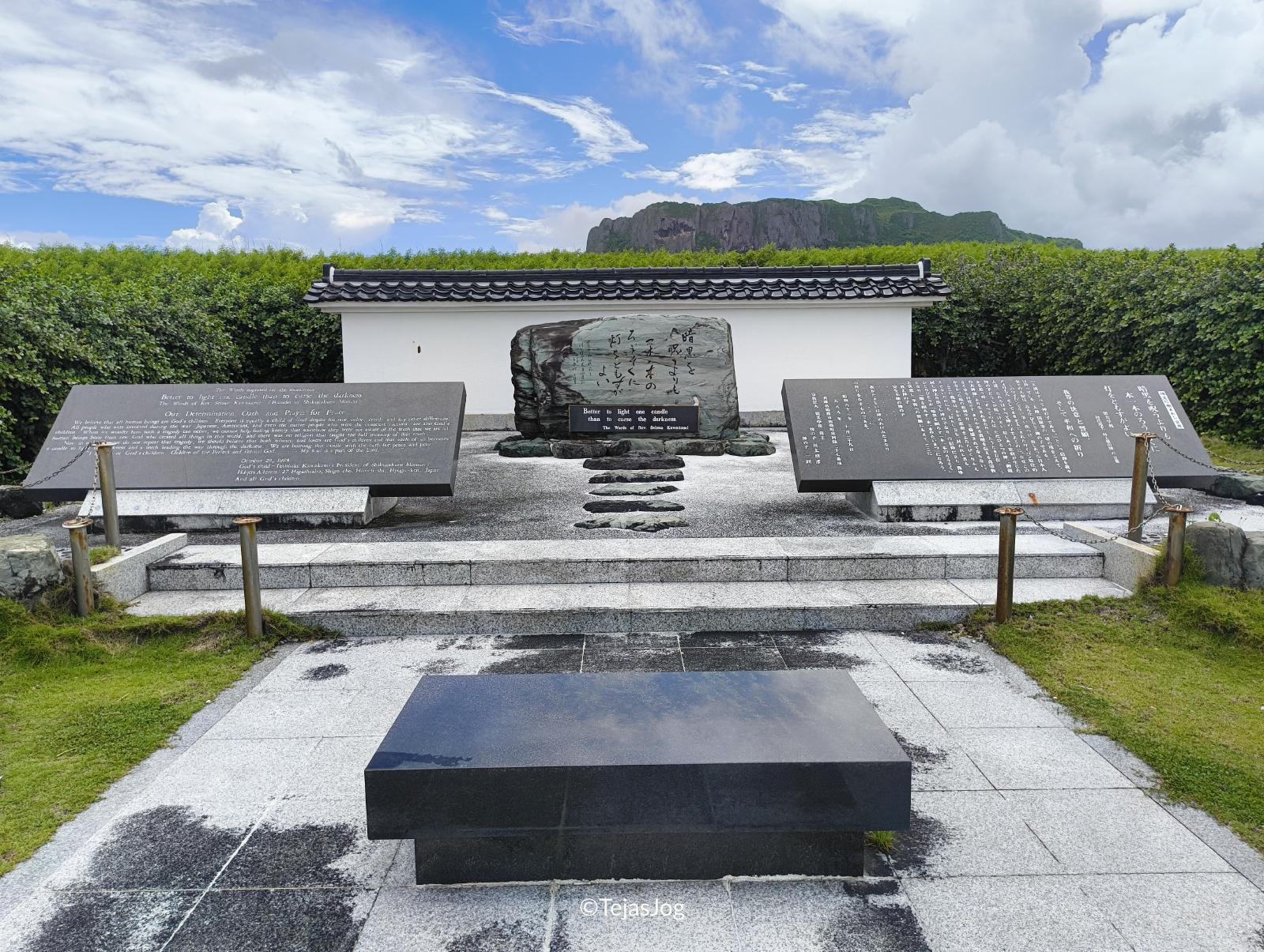
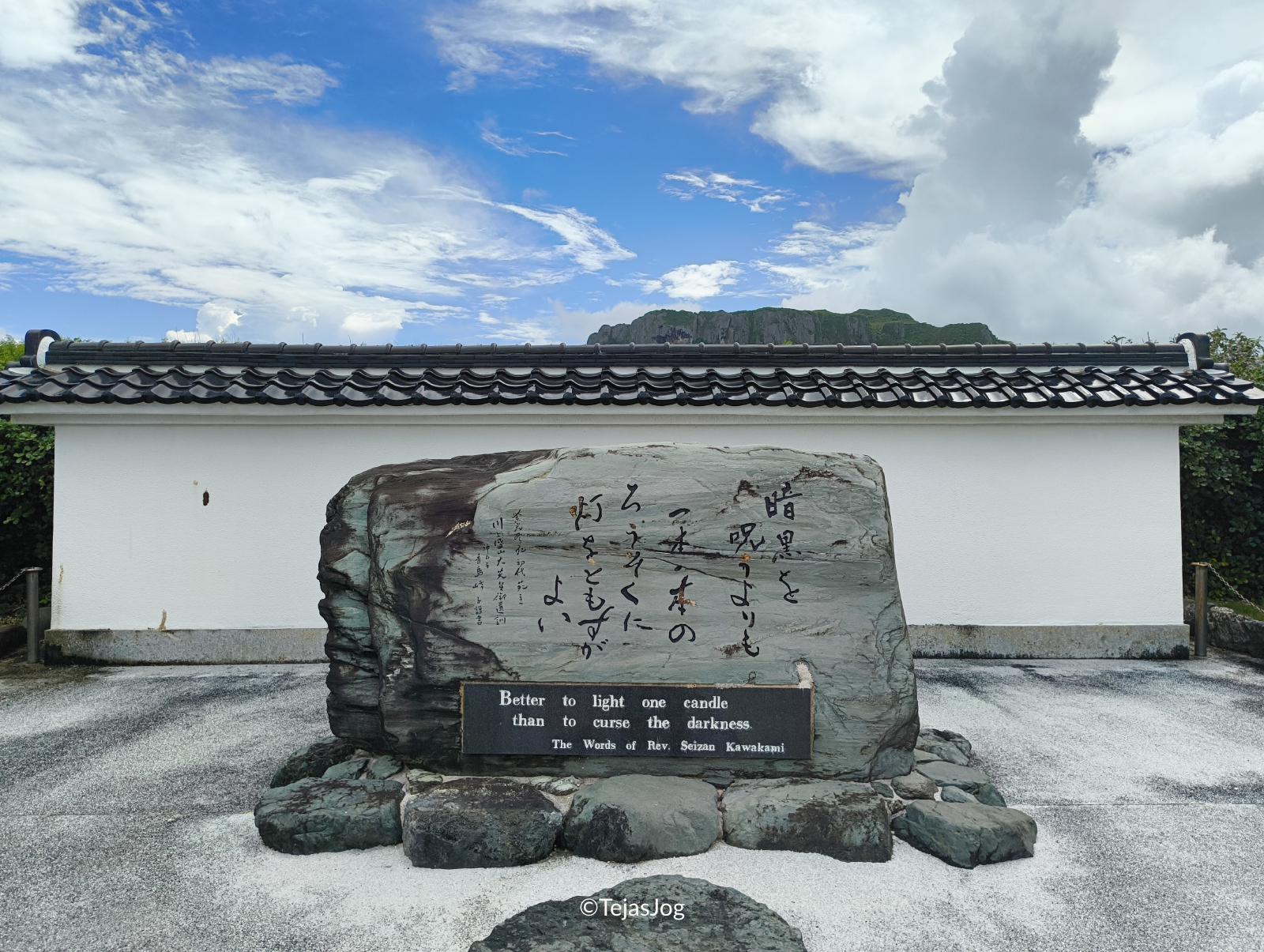
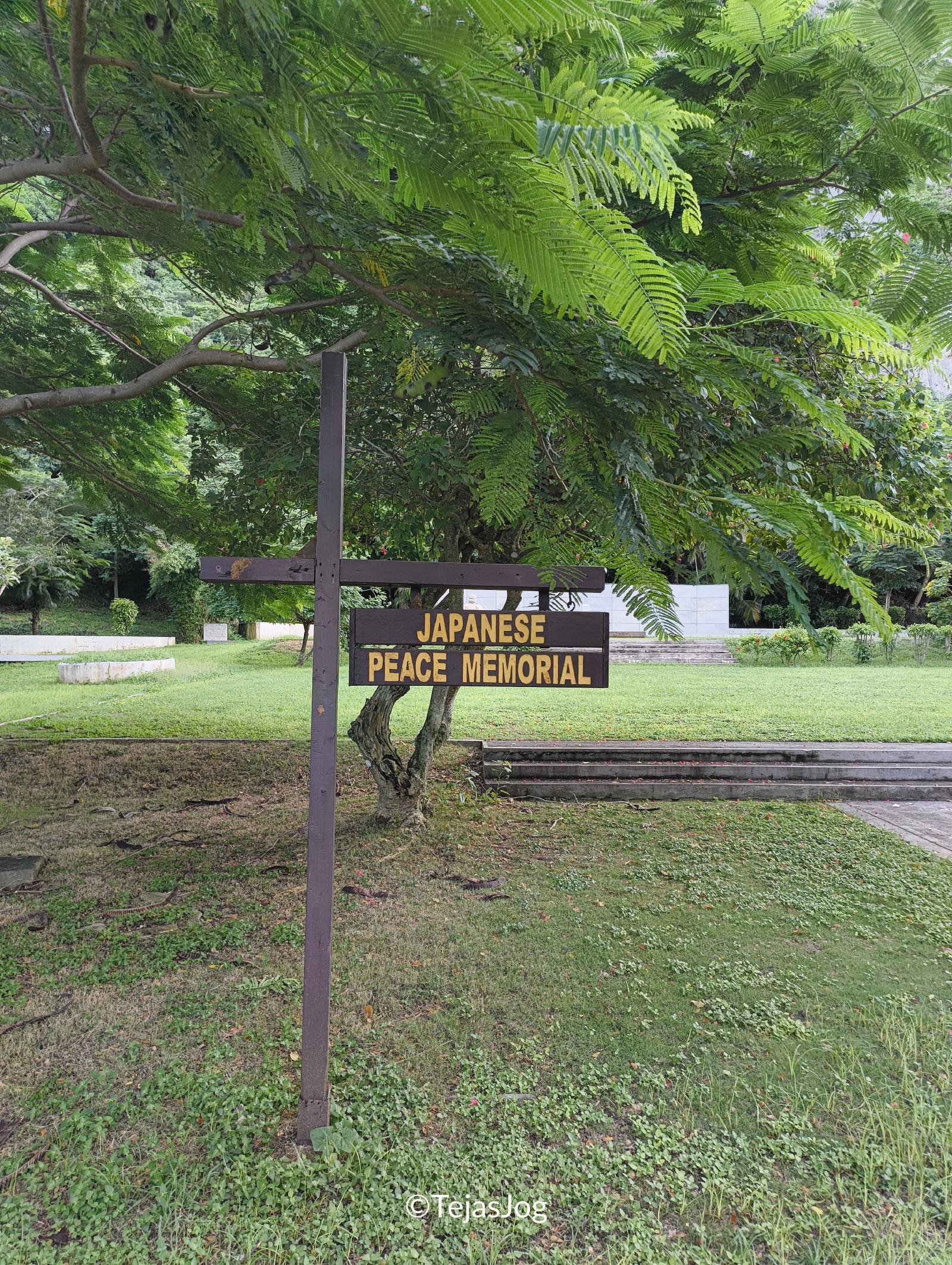
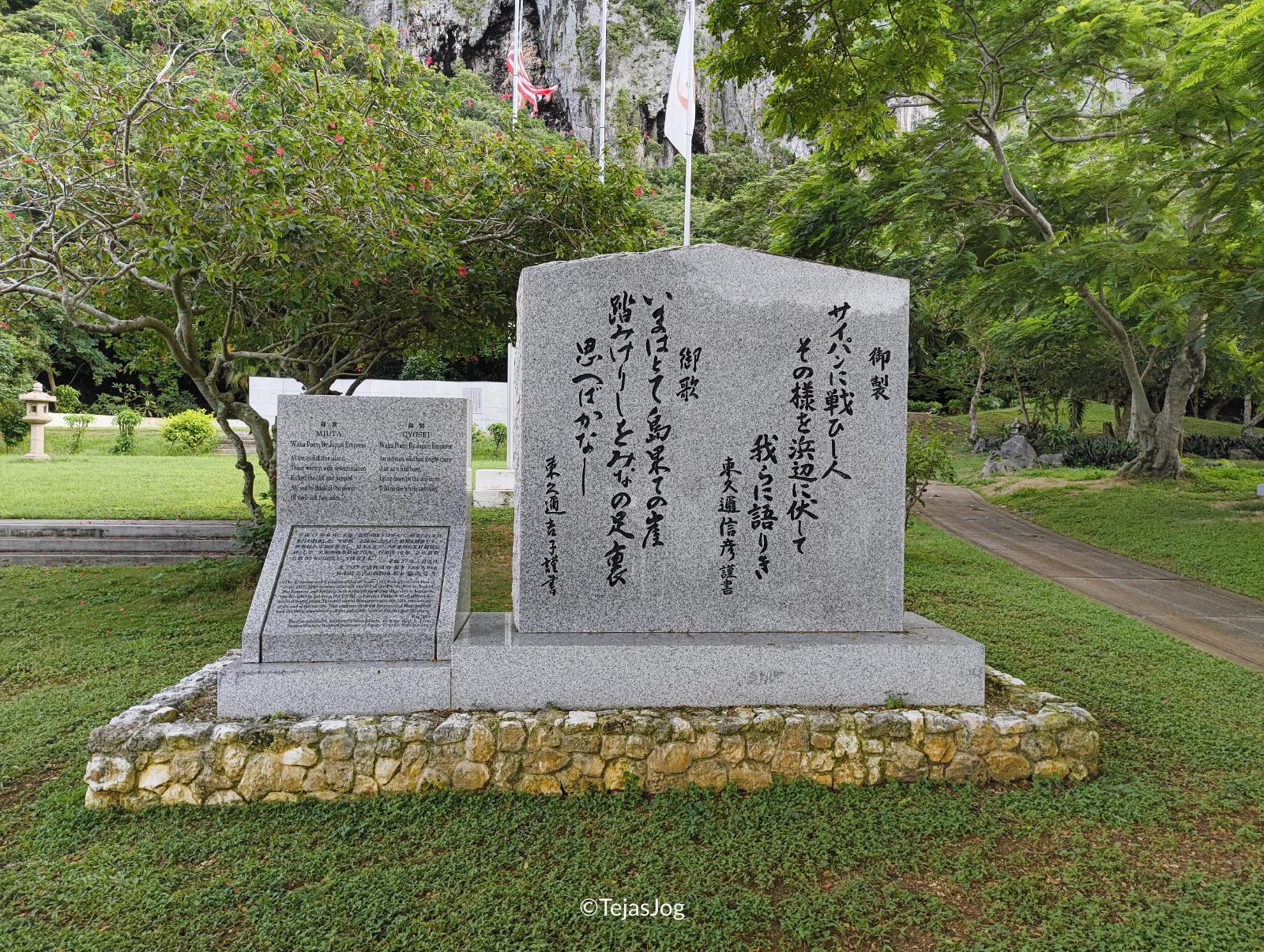
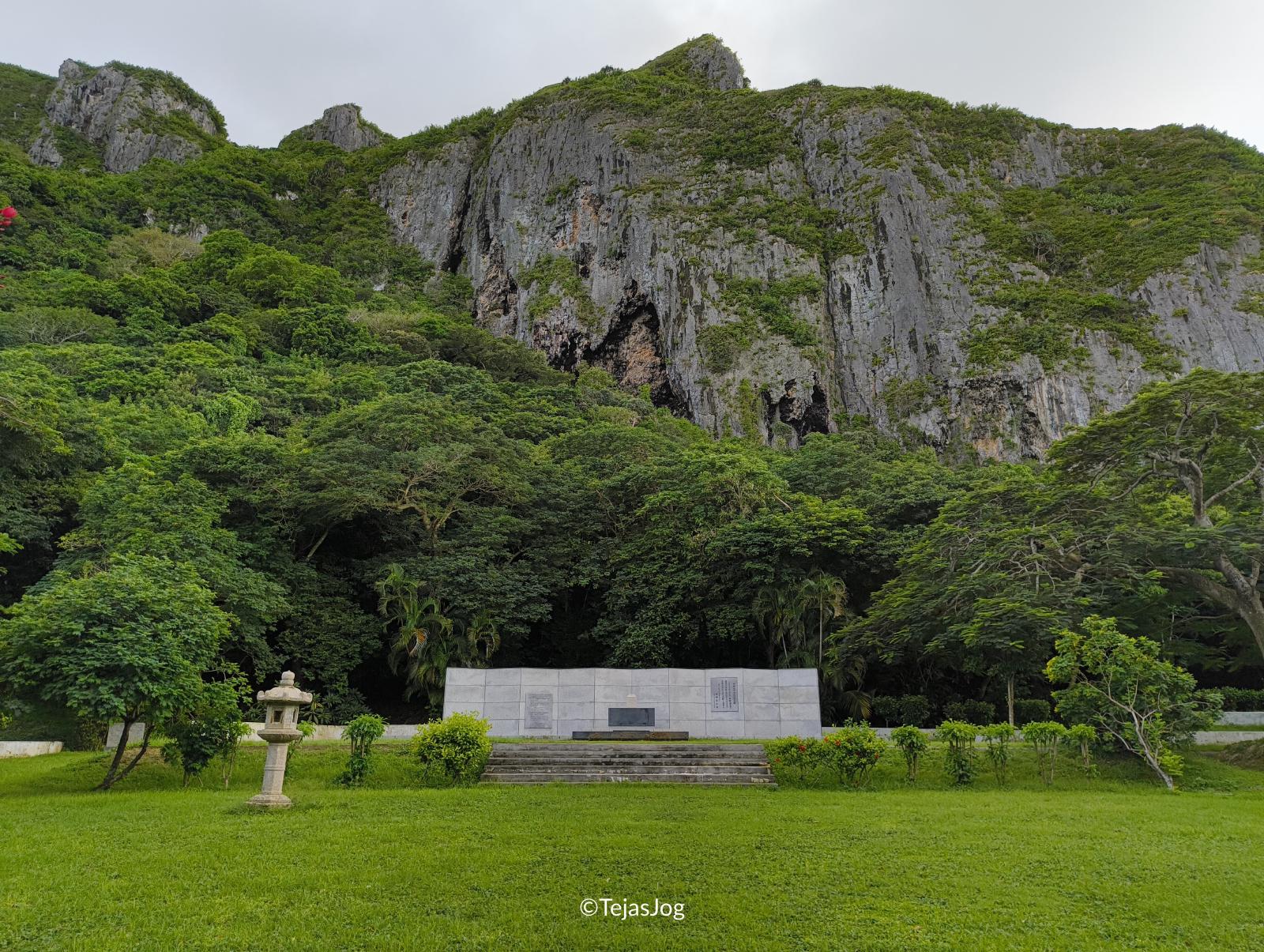
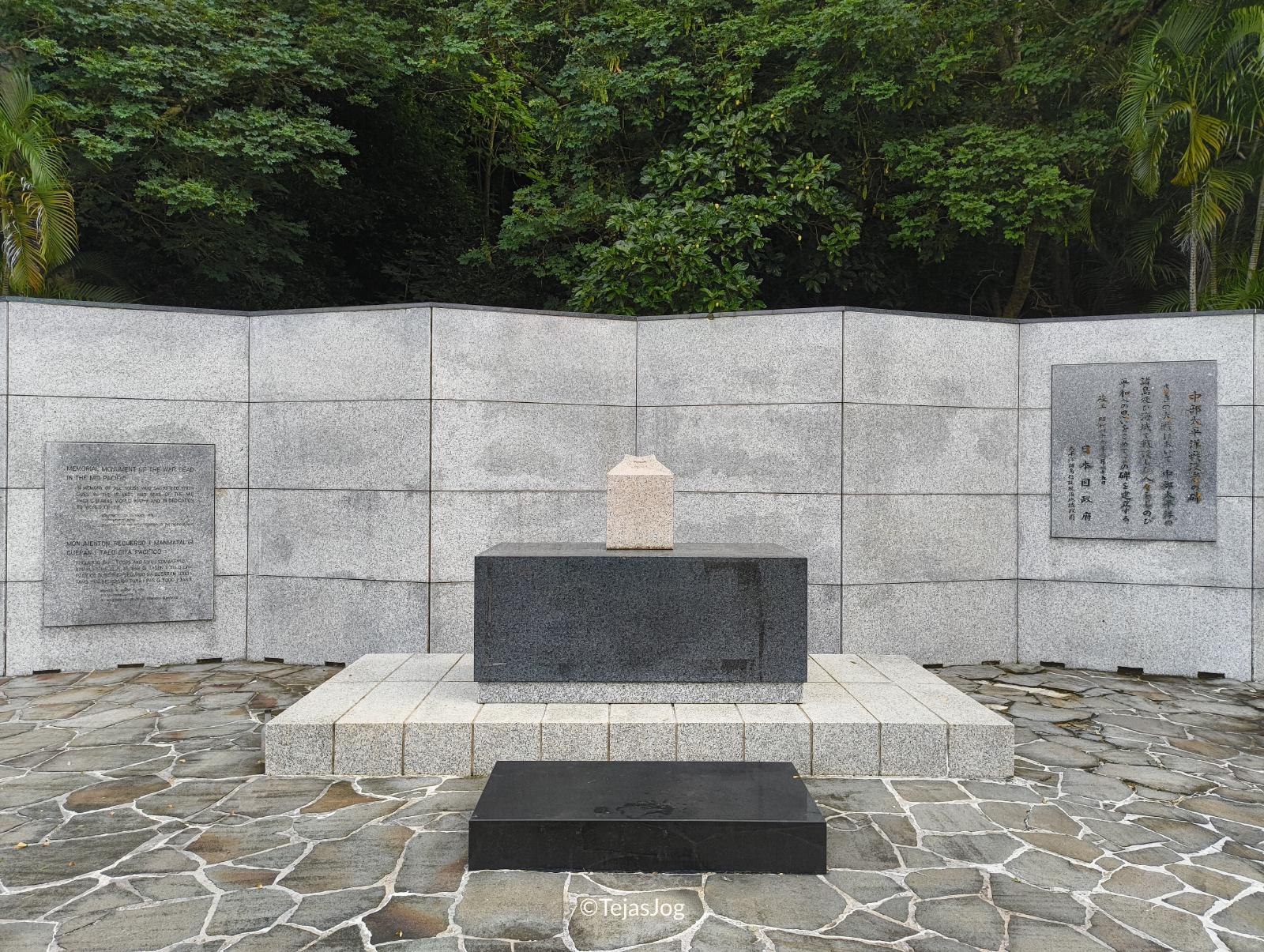
As we drove back, we saw the Japanese Peace Memorial. This was next to the Korean Peace Memorial and the Last Japanese Command Post we had seen earlier. It was a site in memory of the thousands of Japanese soldiers and civilians who died during the Battle of Saipan in 1944.
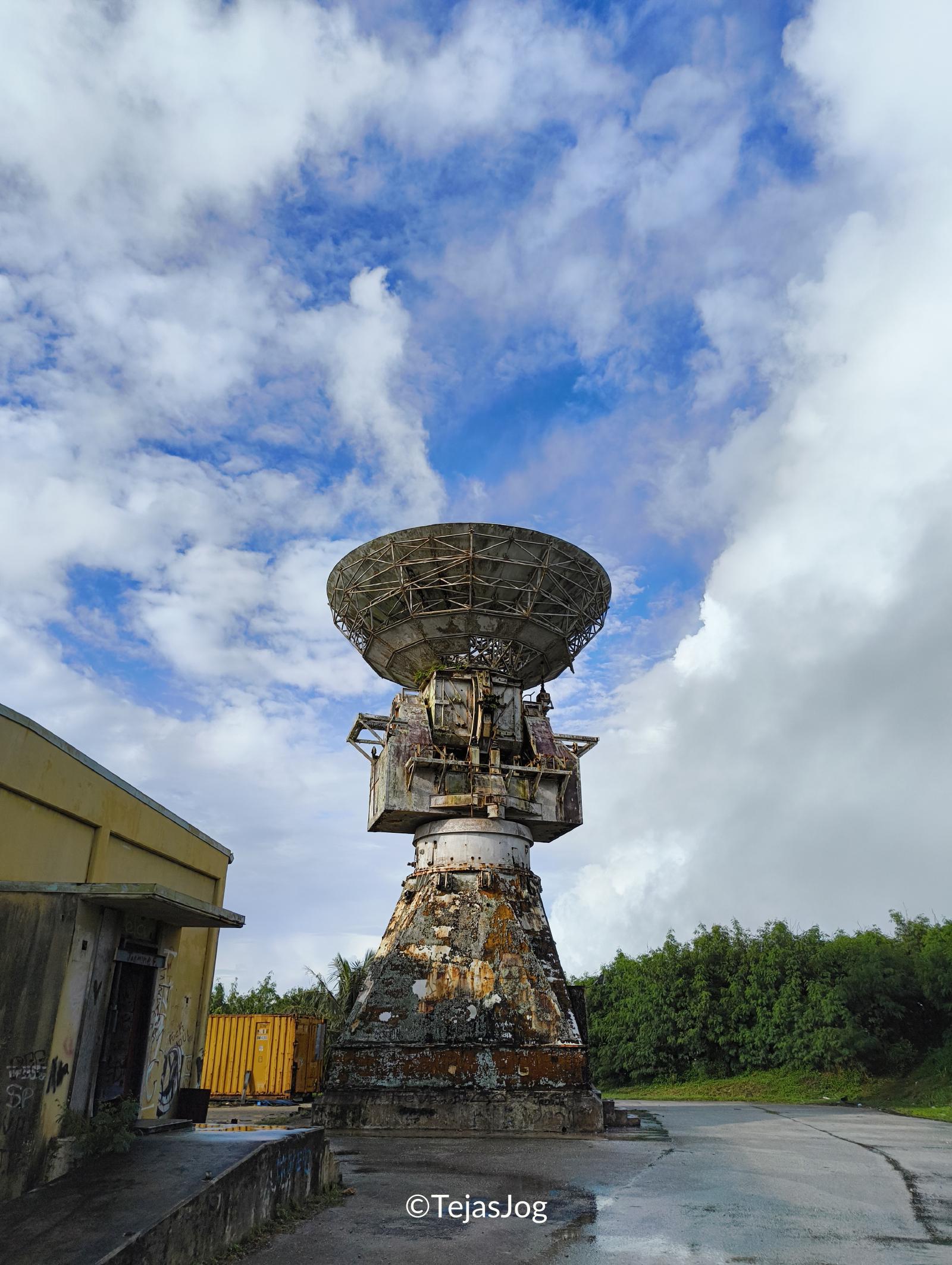
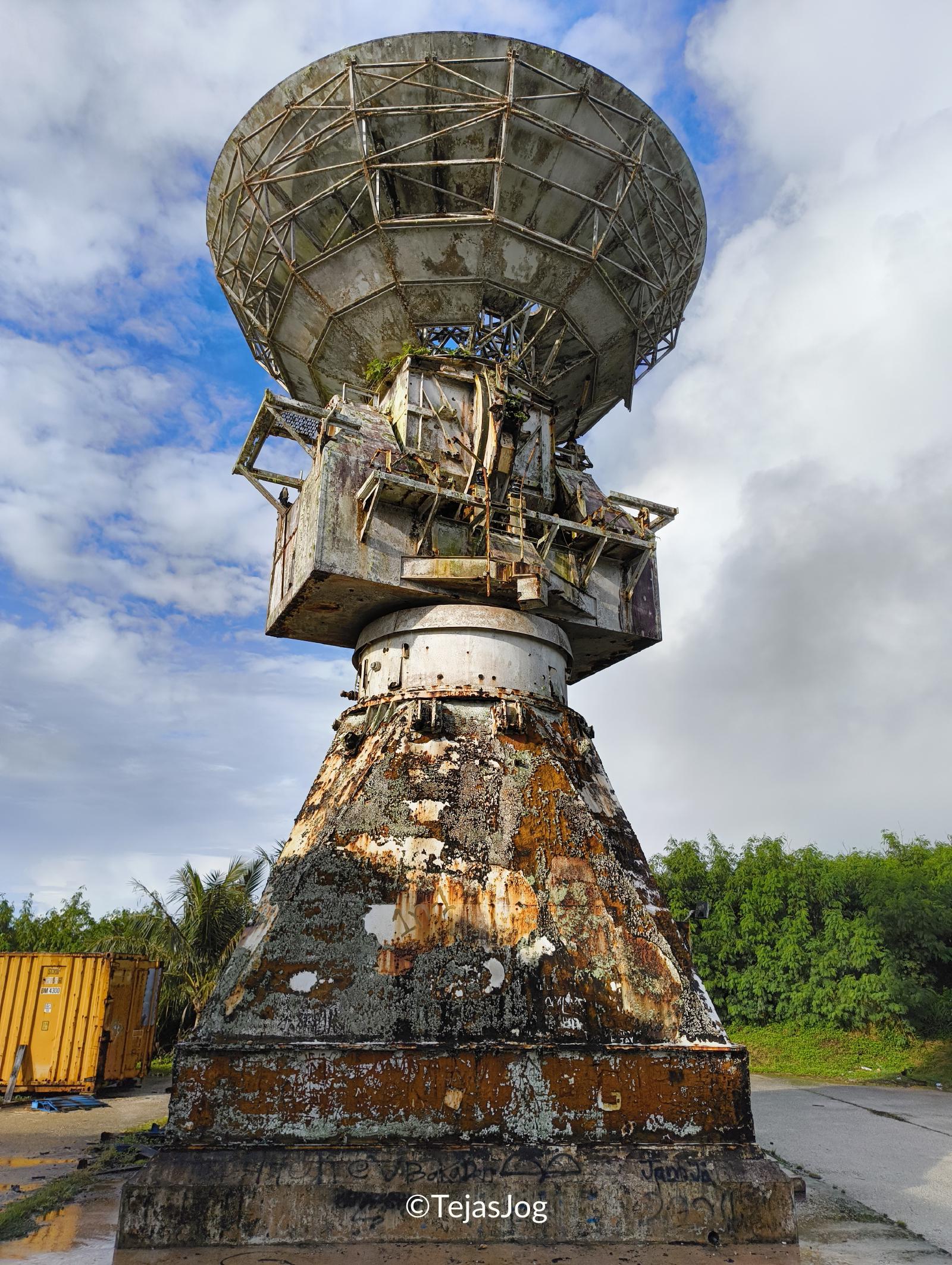
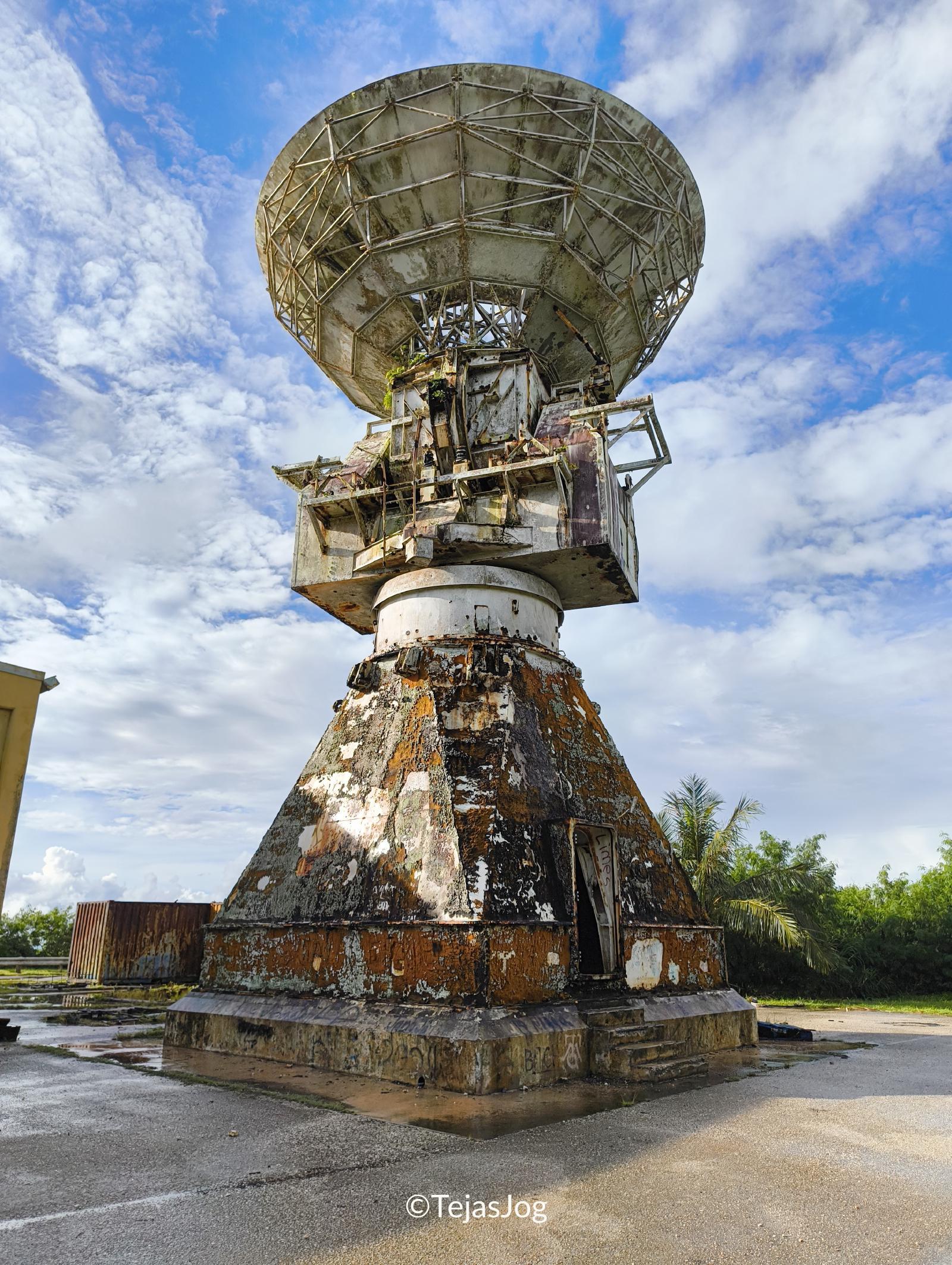
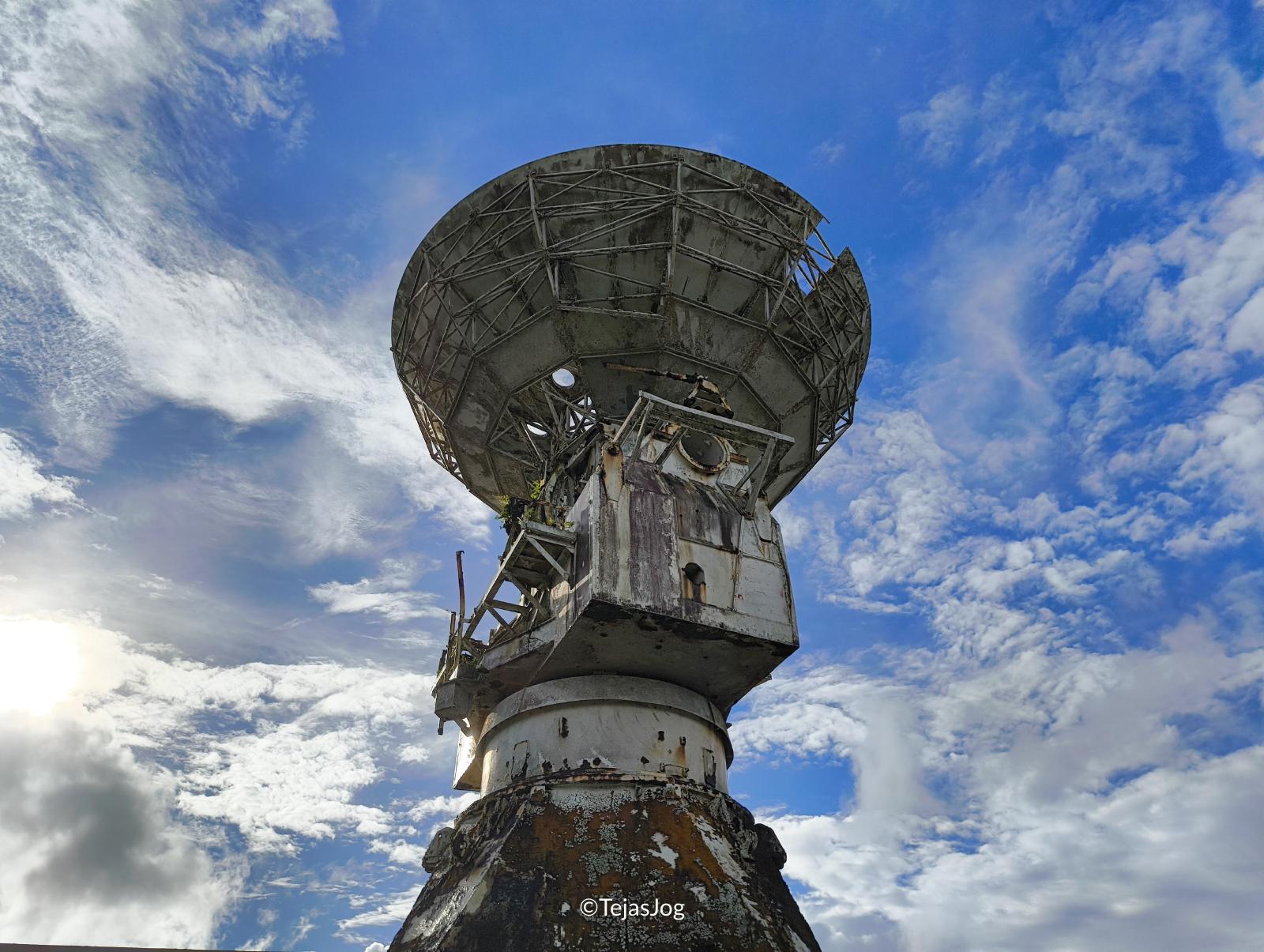
Next, we drove to see the Abandoned Pacific Barrier Radar III (PACBAR III). The purpose of this military relic was to fill a surveillance “blind spot” between PACBAR I in the Marshall Islands and PACBAR II in the Philippines. Coincidentally, we visited both the Marshall Islands 🔗 and the Philippines 🔗 on this trip.
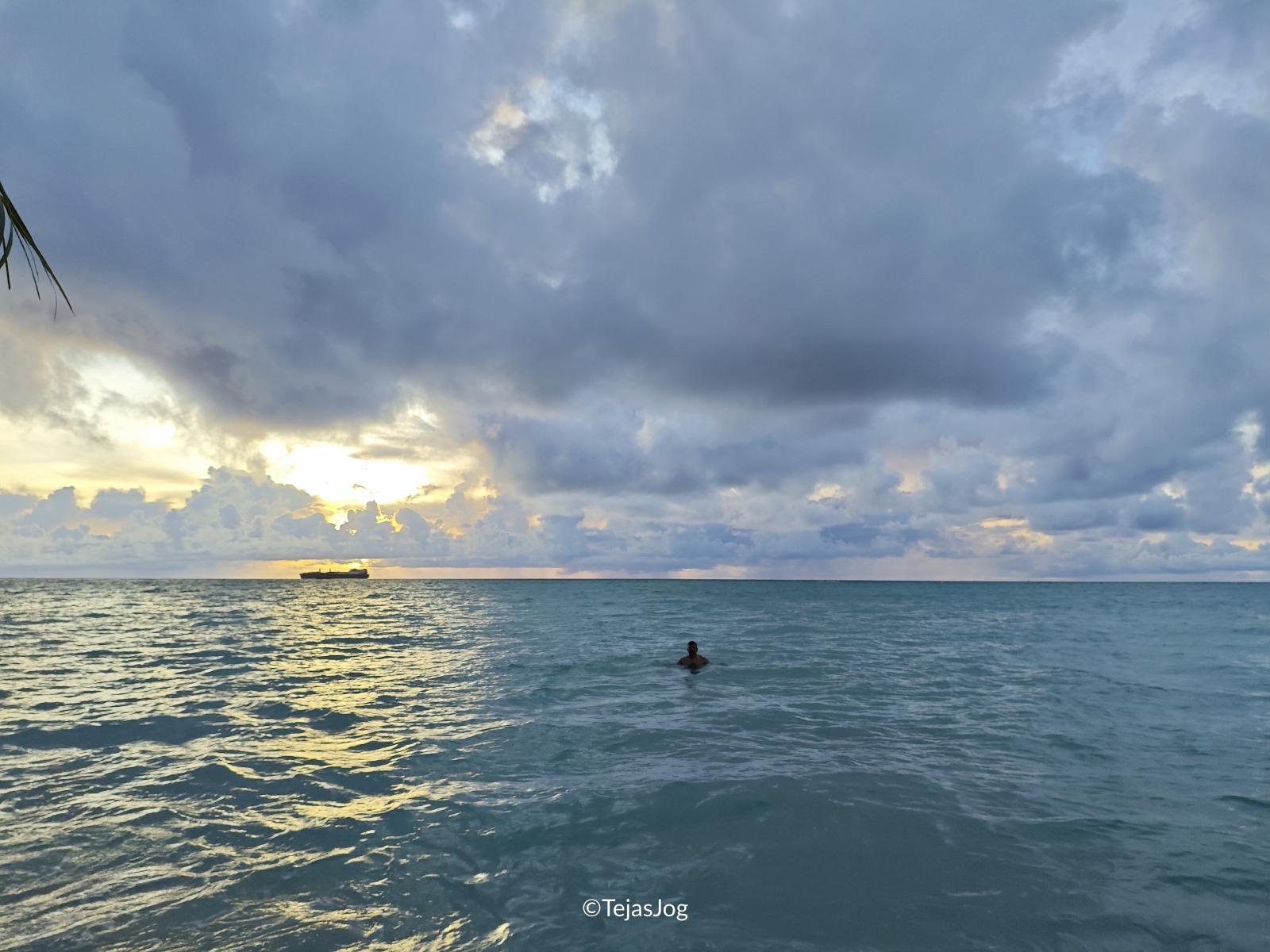
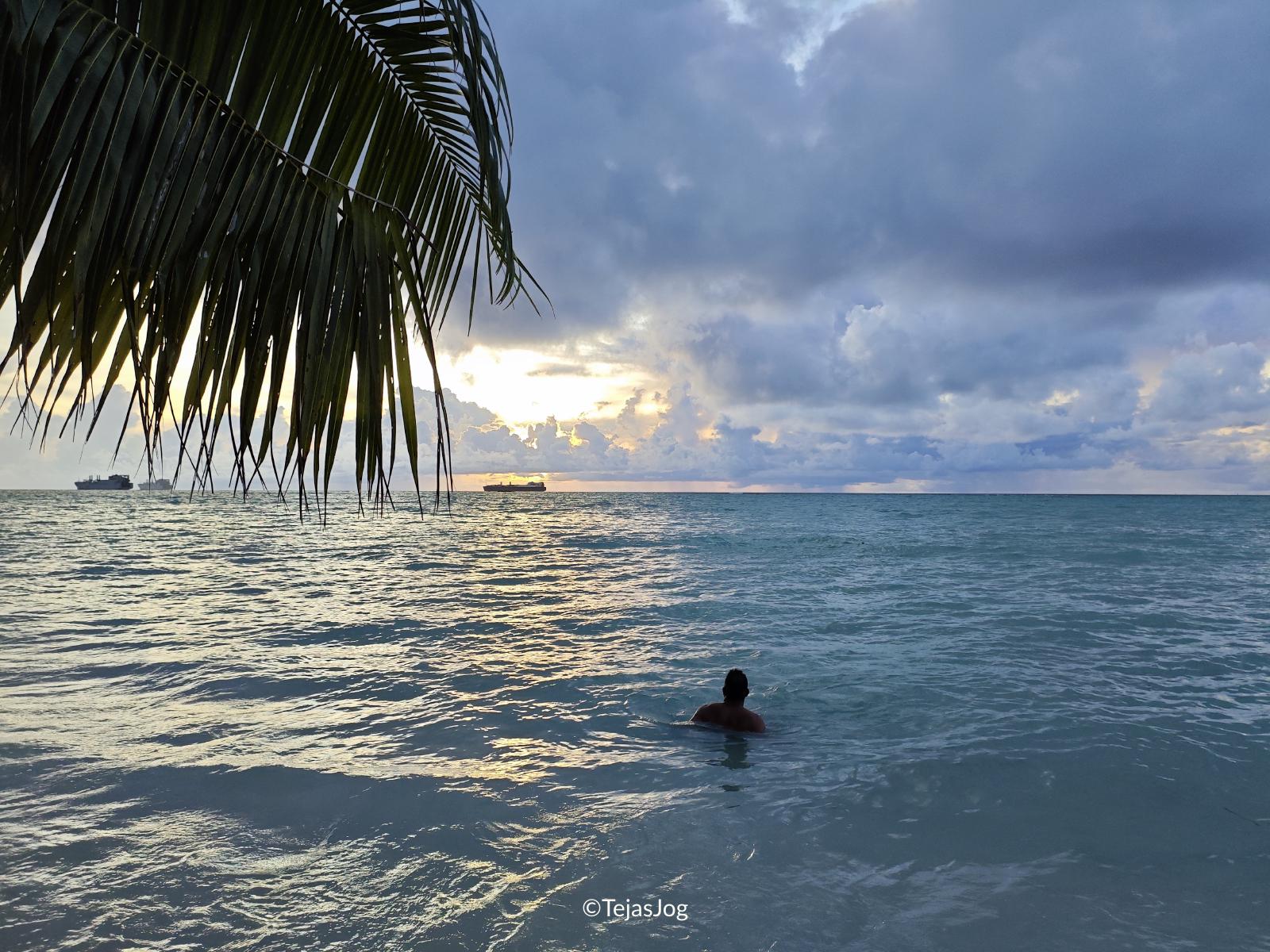
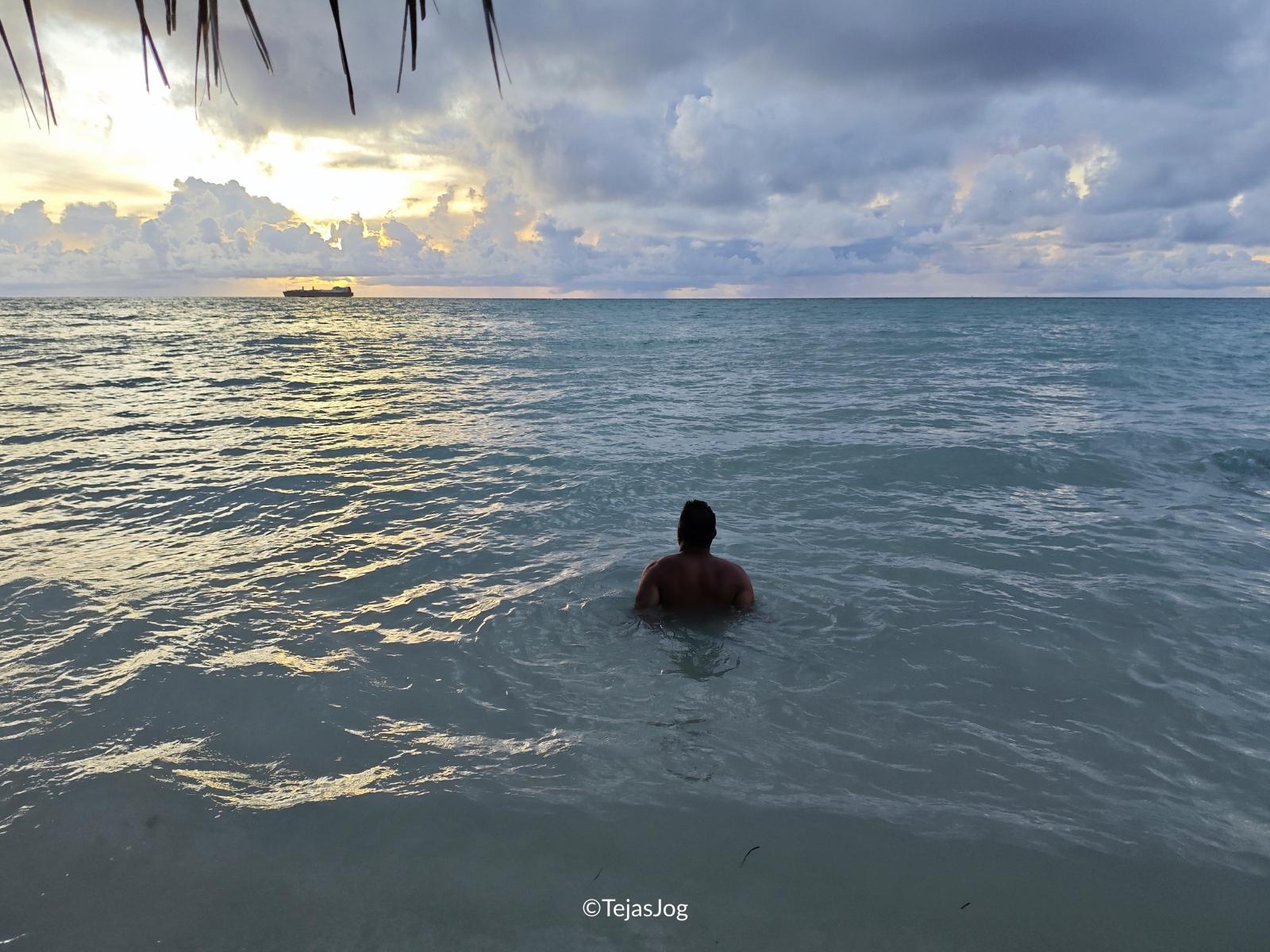
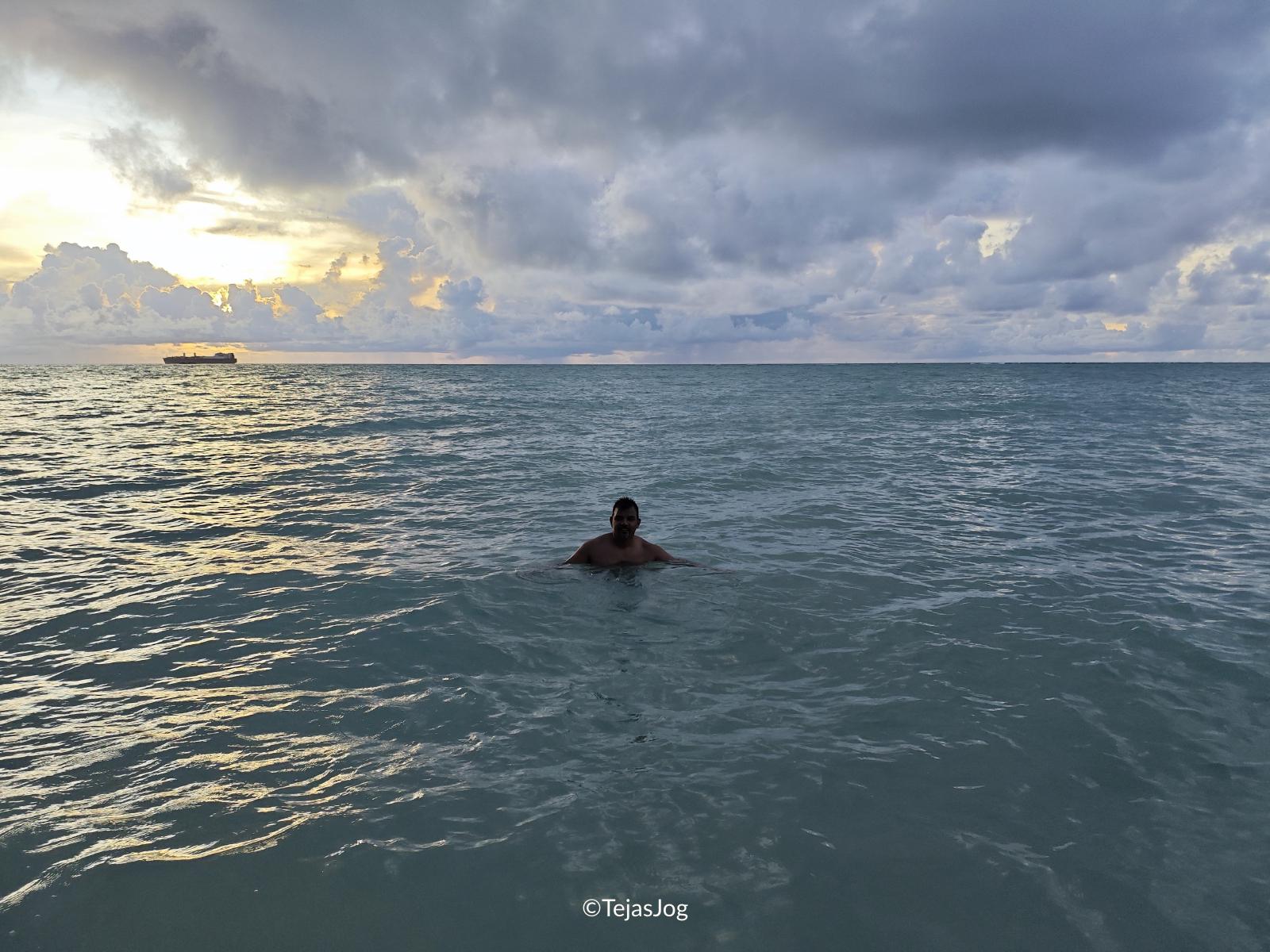
We got back to our guest house by evening and then walked to Micro Beach, known for its white sands and turquoise waters. We could also see Managaha Island in the distance.
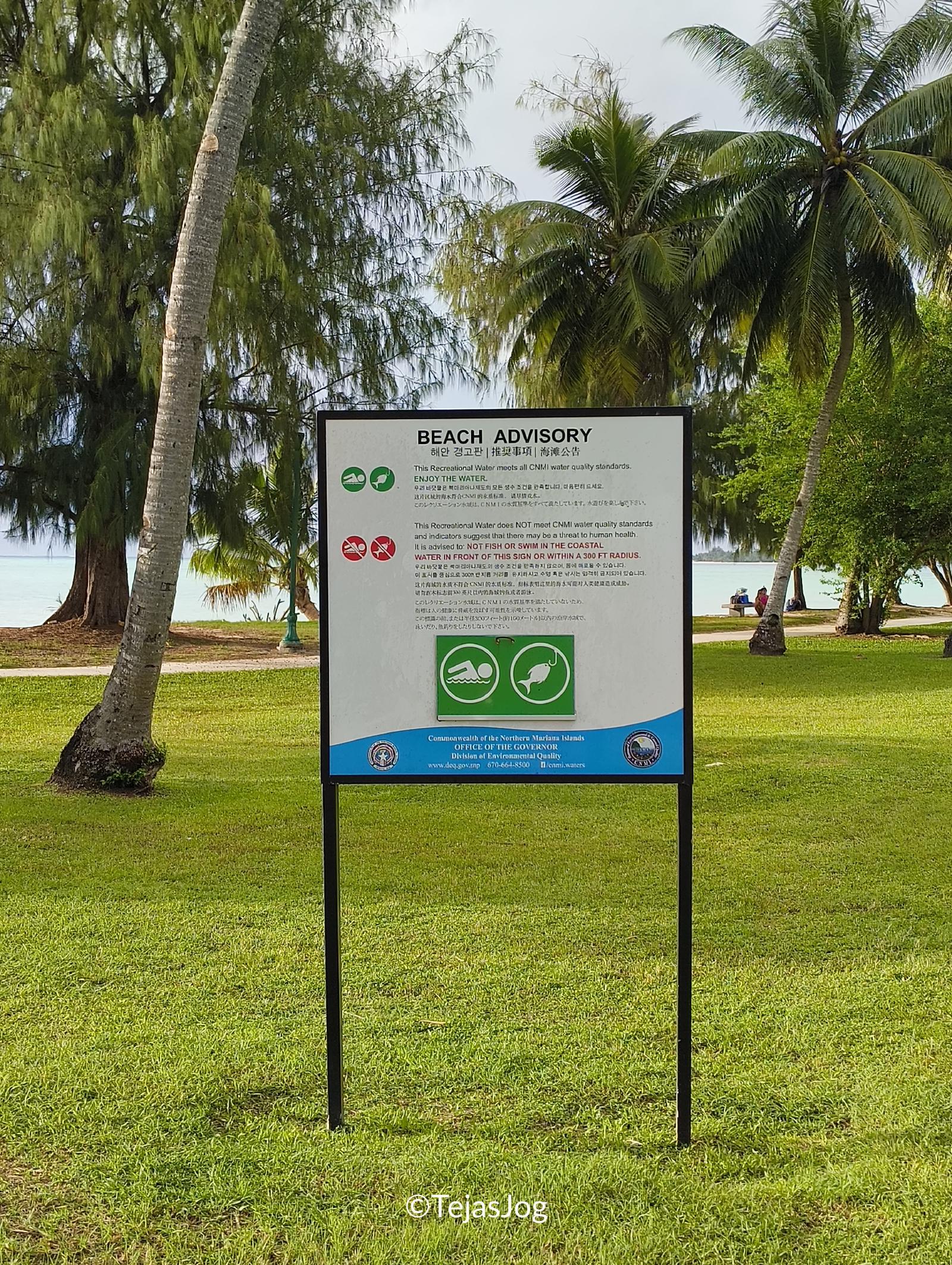
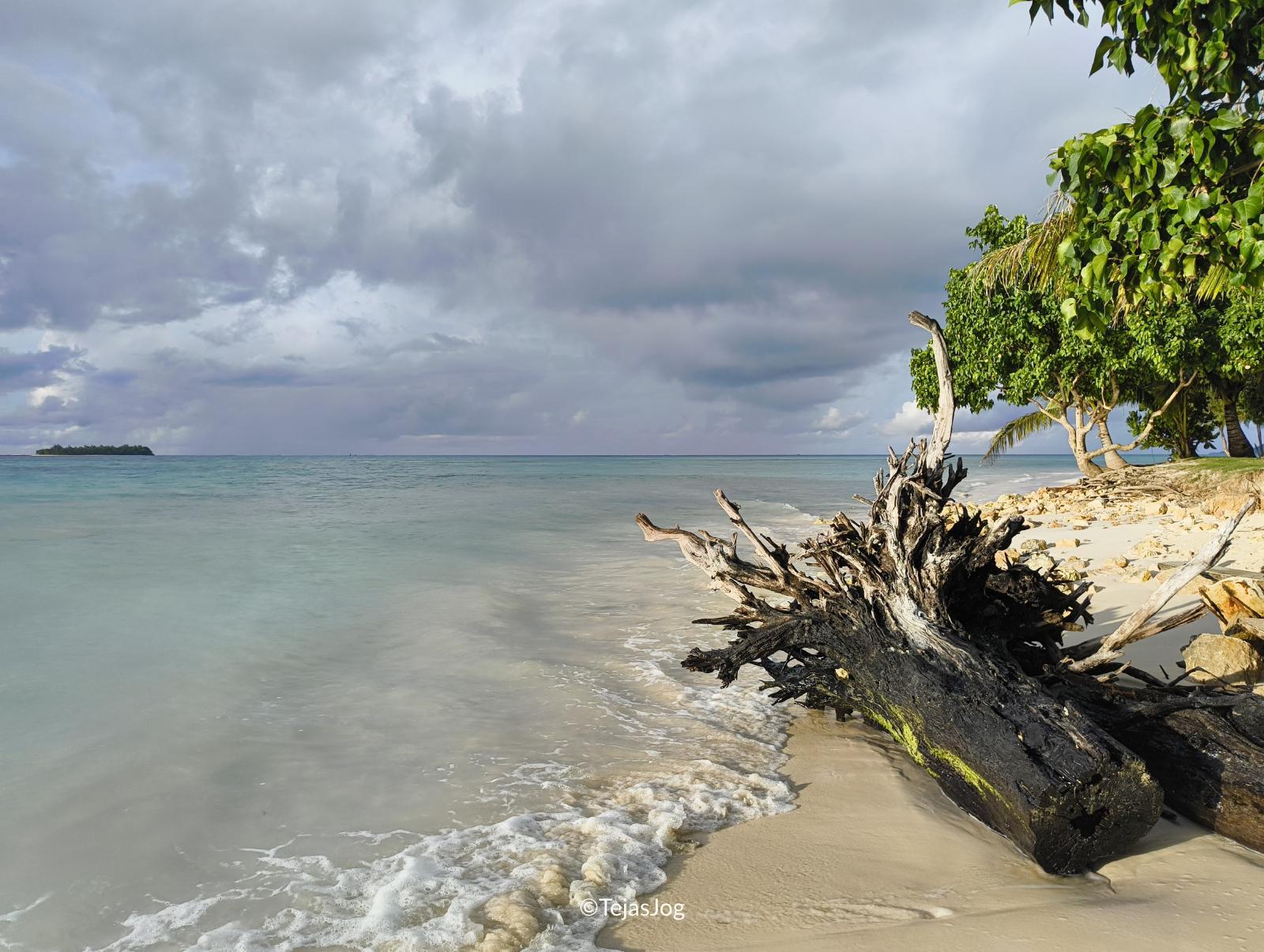
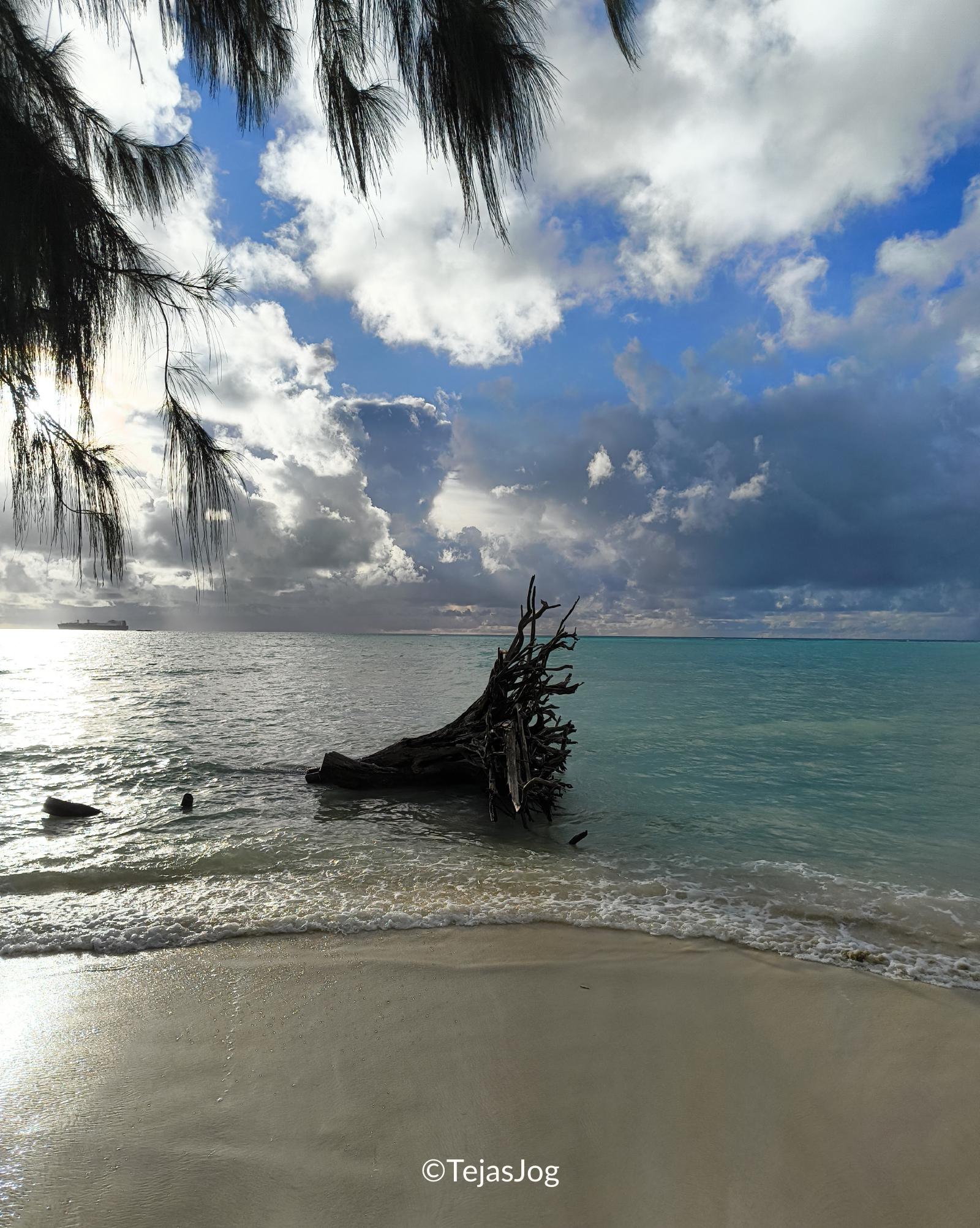
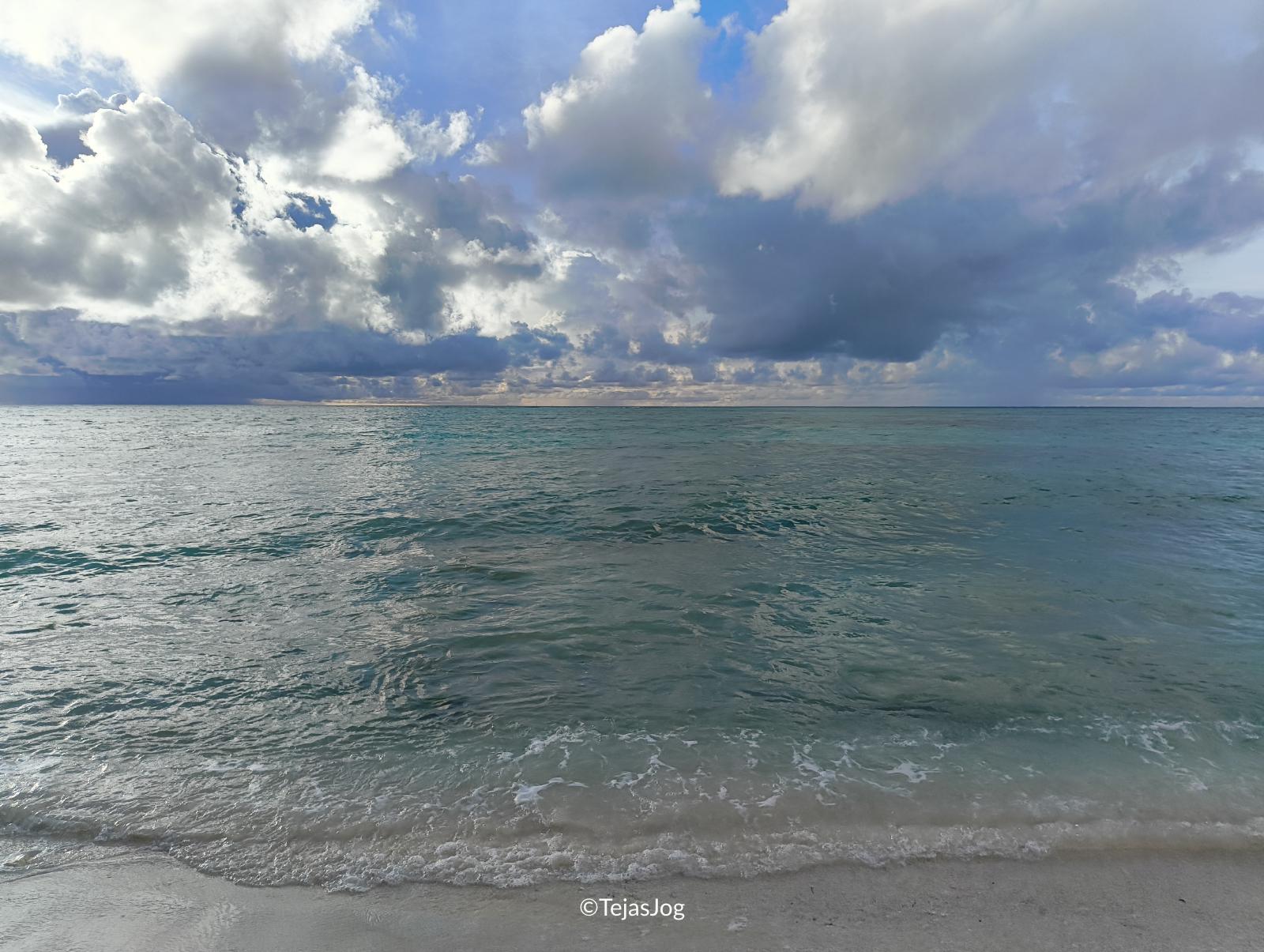
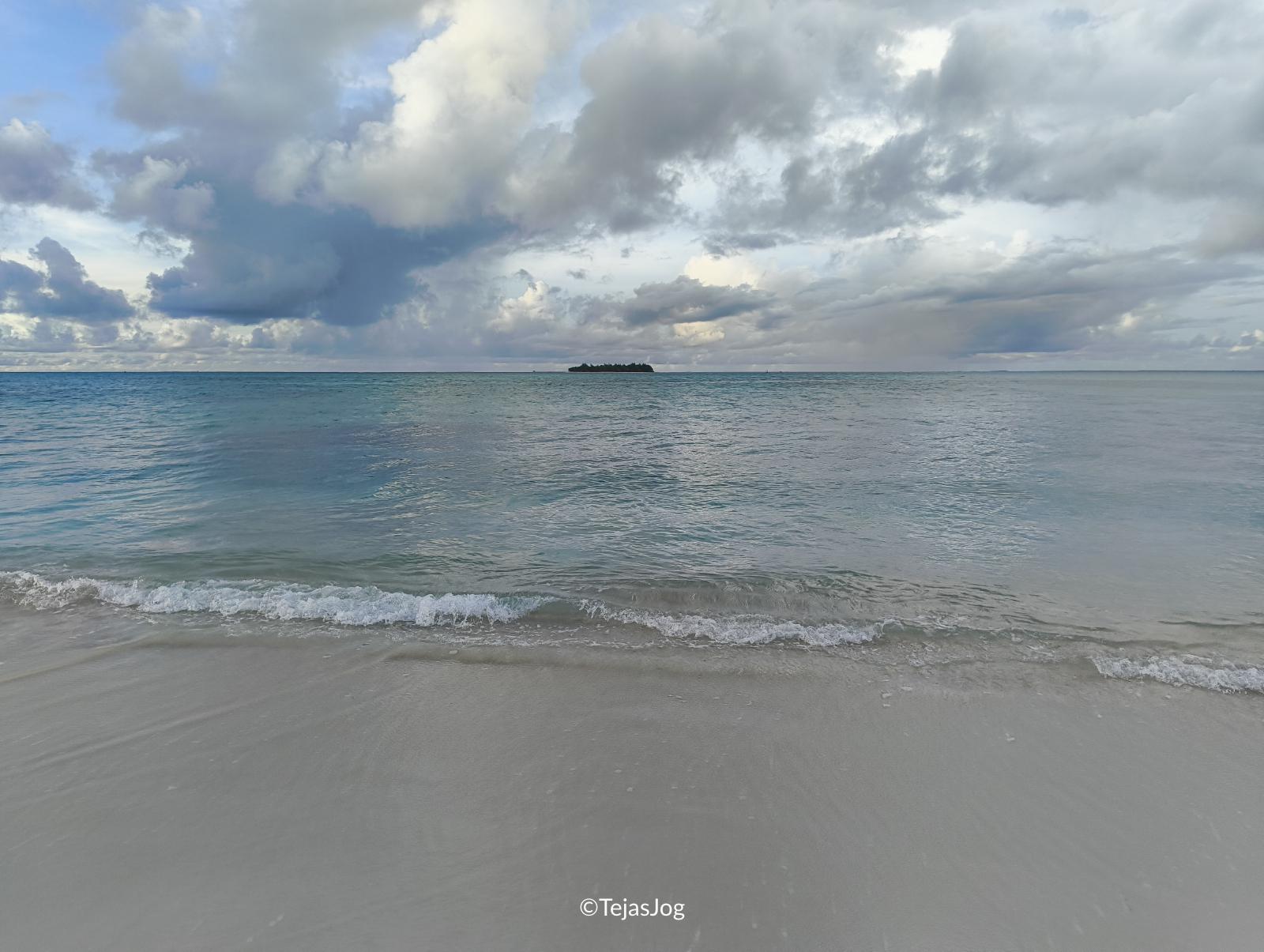
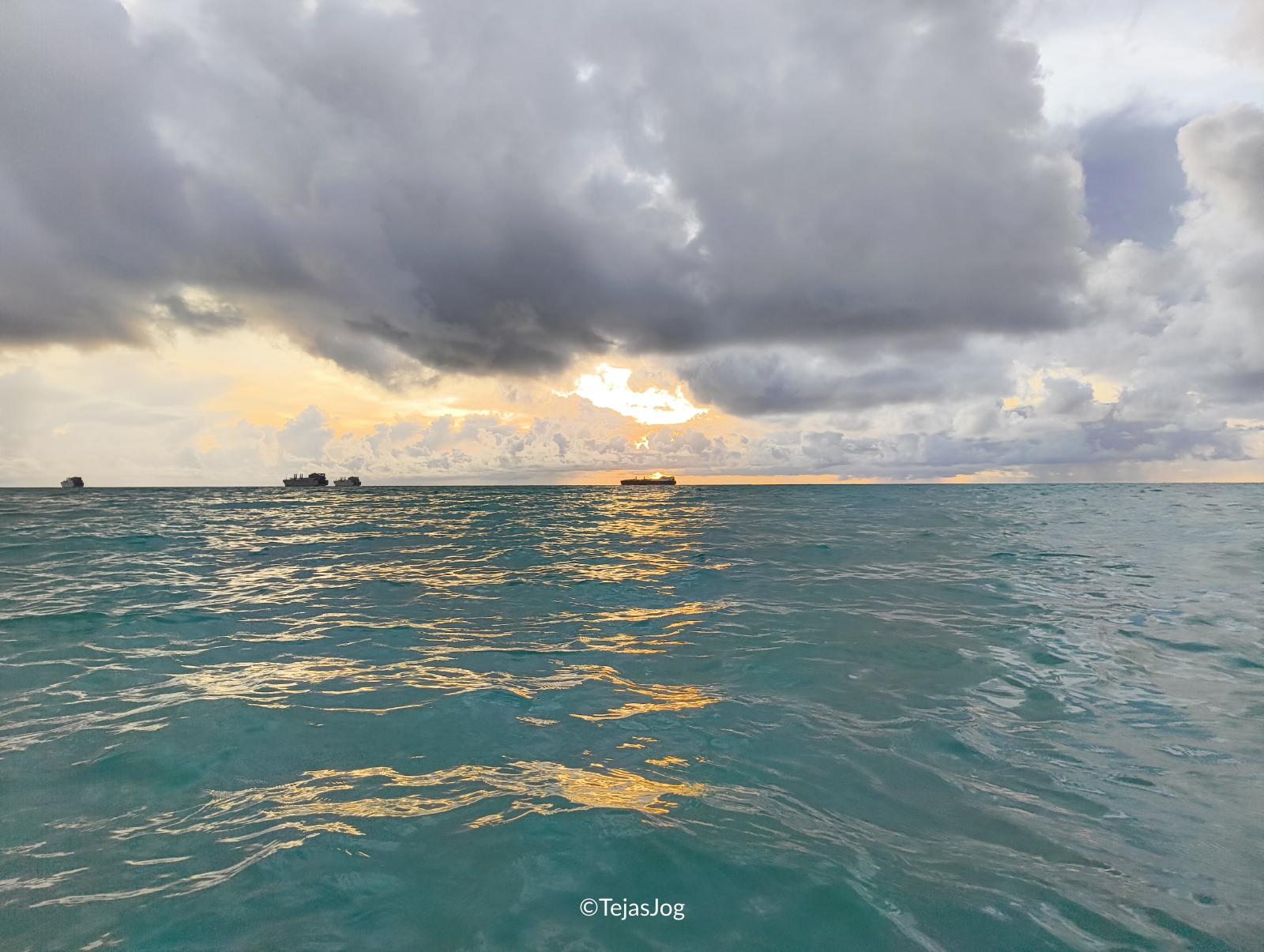
The lagoon was protected by an outer reef, which kept the water calm and was excellent for swimming with a very gentle slope. We also got to enjoy the nice views around sunset.
We got back to our guest house to freshen up and then stepped out again to go to The Original Lucky Bill for dinner.
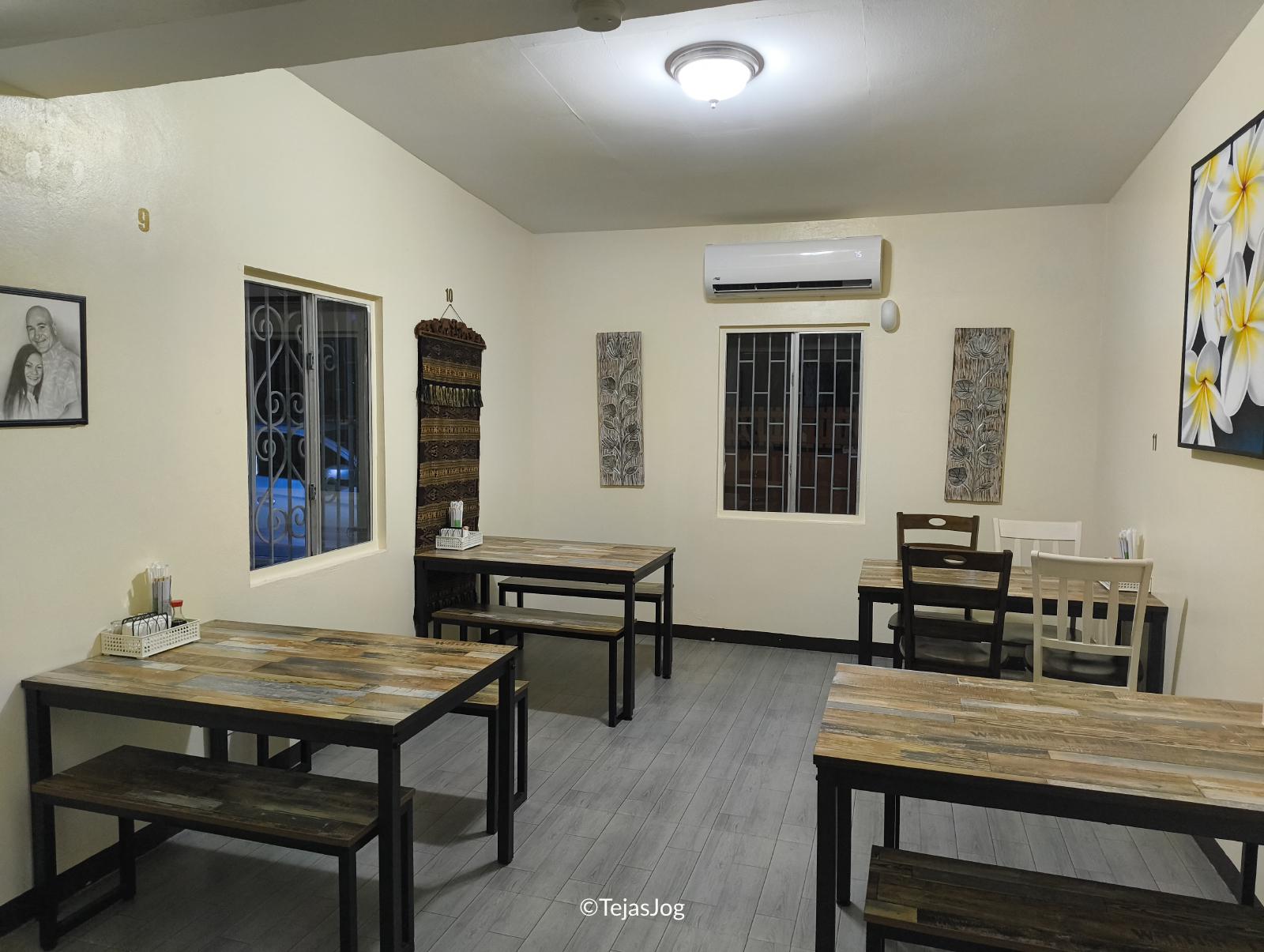
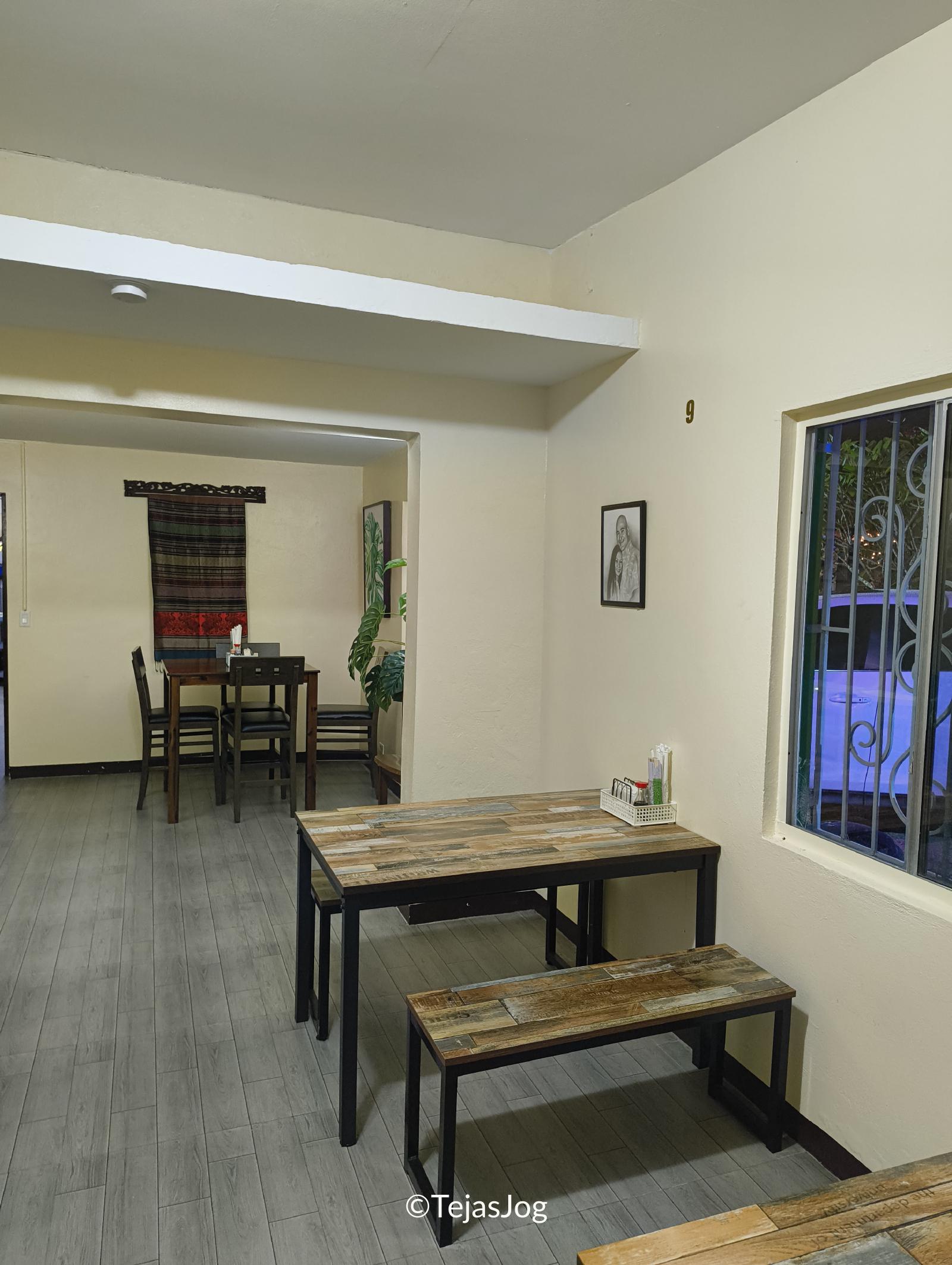
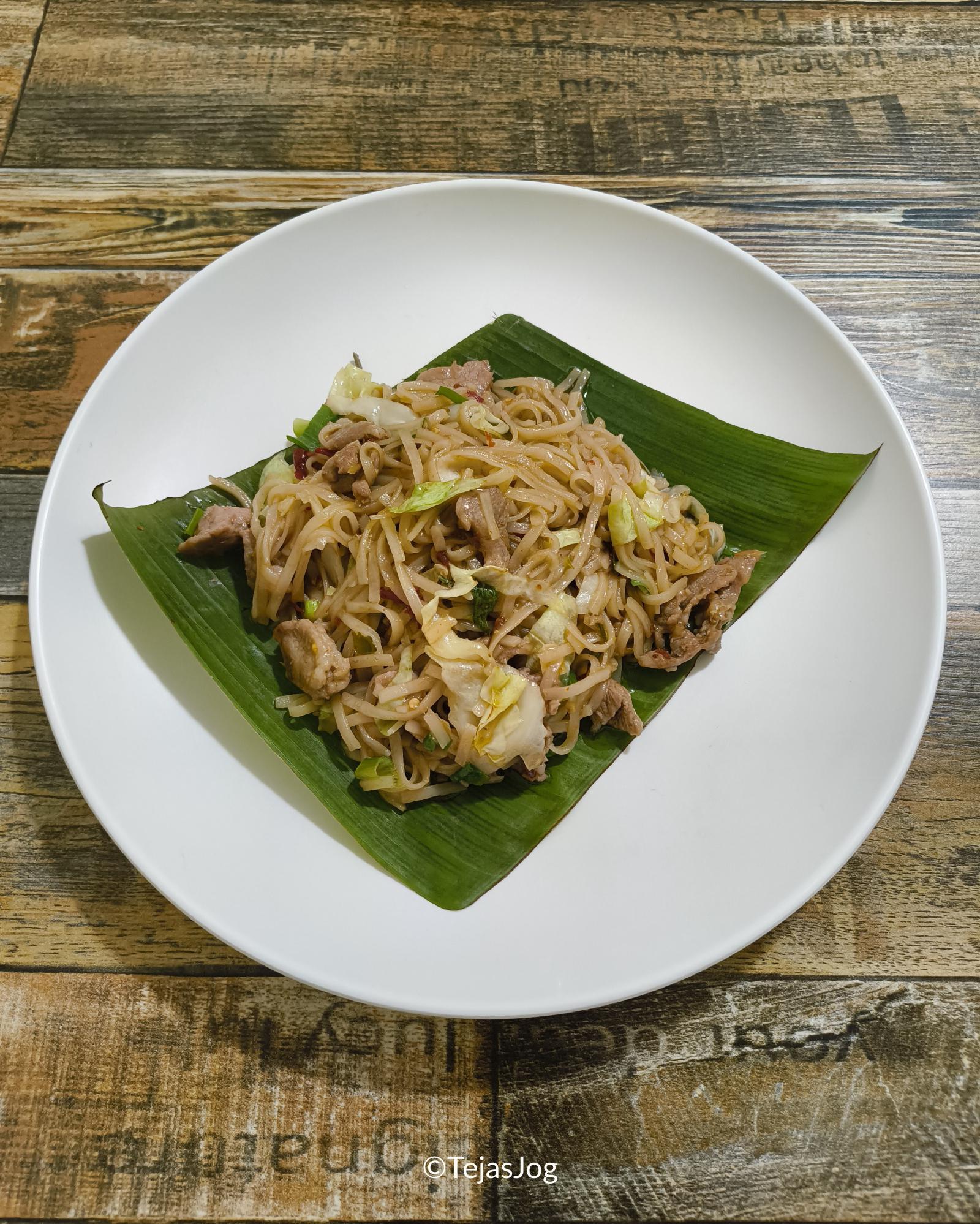
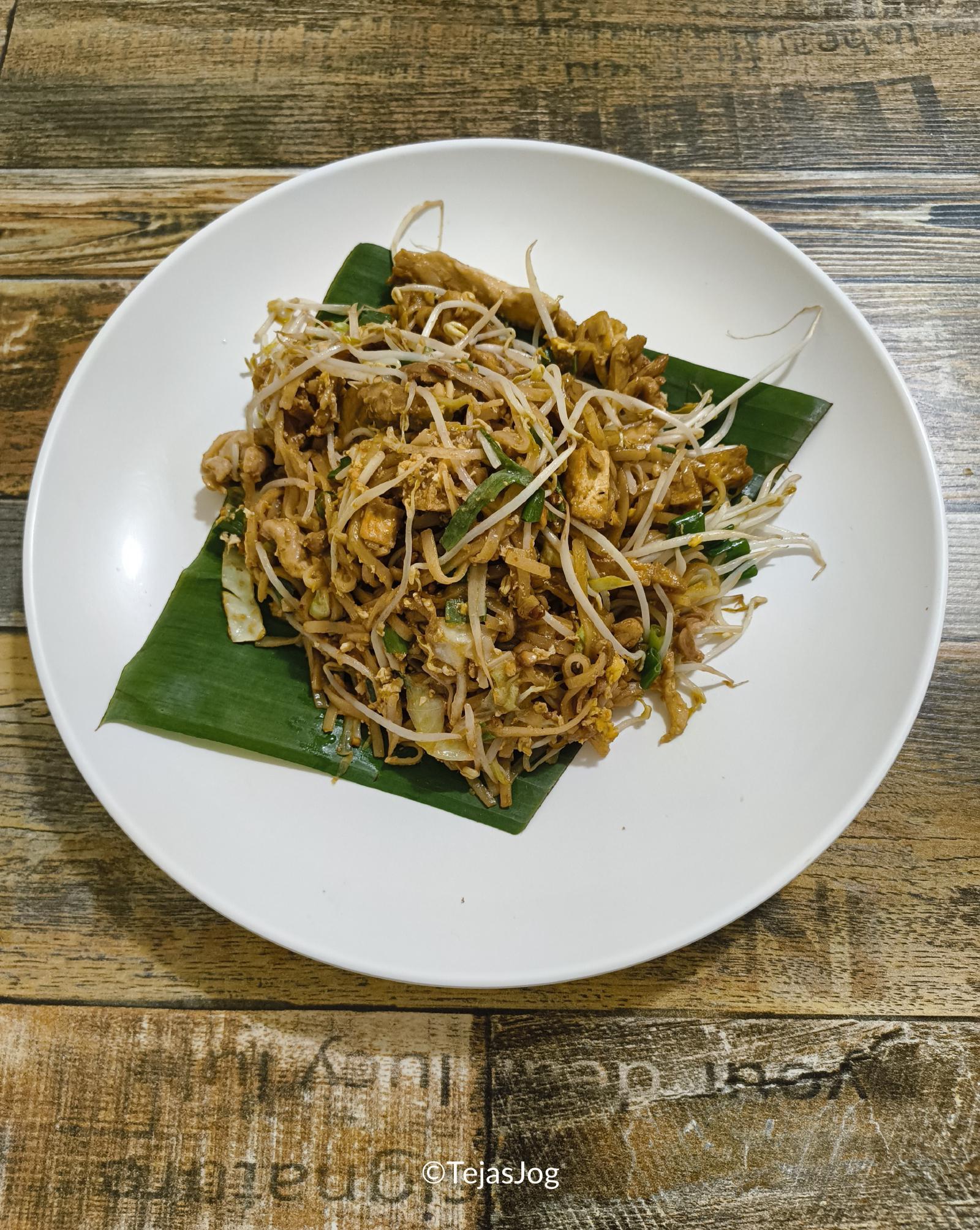
We tried some of the Thai cuisine they had on the menu and the food was good. Having travelled overnight and been out all day today, we retired for the night after dinner.
🚘 expedia.com
🍽️ Guangzhou Resturant
🍽️ The Original Lucky Bill
🛏️ G.T. Guest House